As global supply chains are restructured and trade rules change, the map of Chinese overseas investment is undergoing a major shift. Morocco, long a bridgehead to Europe and Africa that attracted many Chinese factories, is cooling, while Oman, on the Arabian Peninsula overlooking the Strait of Hormuz, has become a new hot spot for Chinese investment in new energy, new materials, modern agriculture and infrastructure. Symbolized by Shinzoom pausing a RMB 5 billion lithium battery anode project in Morocco and committing RMB 8 billion to an integrated base in Oman, many industrial investors are adjusting their plans. Behind the trend lie shifts in the two countries' business environments, geopolitics, industrial costs and bilateral cooperation.
1. Diverging geographic advantages: rising barriers in Europe, Oman as a multilateral hub
Chinese companies originally flocked to Morocco to use its free trade agreement with the EU as a low-cost route into Europe, avoiding tariffs on Chinese goods. But rising protectionism over the past three years, the EU carbon border tax, anti-dumping investigations into new energy products and frequent changes to rules of origin, has steadily eroded the benefit of exporting from Morocco, and geopolitical uncertainty has increased. The long-unresolved Western Sahara dispute and occasional regional friction in North Africa further raise long-term risk management costs.
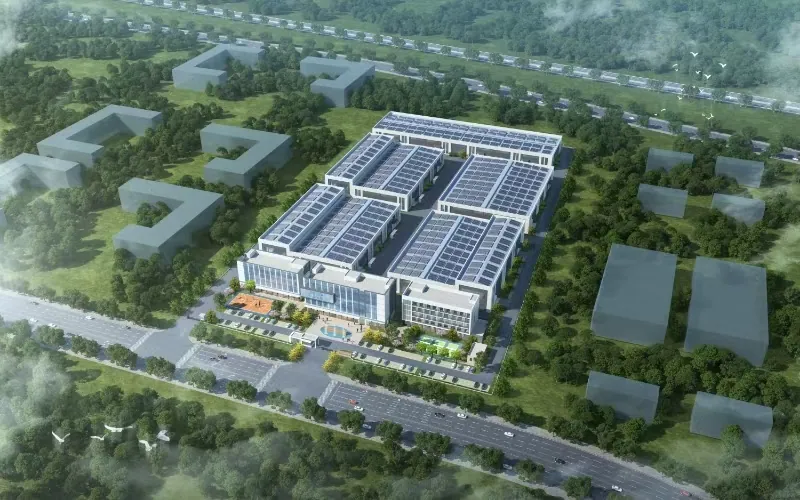
Oman, by contrast, has a unique shipping location between the Persian Gulf and the Arabian Sea at the Strait of Hormuz, and the ports of Sohar and Duqm connect four major consumer markets: the Middle East, Southeast Asia, East Africa and South Asia. Chinese companies in Oman can serve the Middle East's huge petrochemical and new energy demand, reach Southeast Asia's emerging manufacturing markets to the east and open trade routes to East African resource countries to the south, covering Asia, Africa and Europe rather than depending on European rules alone. Oman's long-standing neutral foreign policy also keeps its exposure to Gulf conflicts very low, and its stable society makes it a rare safe haven for investment in the region.
2. Very different tax and ownership policies: Oman's free zones are far more generous
Tax is a core factor in returns on overseas manufacturing, and Oman's free zone regime sets it apart from Morocco. In national free zones such as Sohar and Duqm, manufacturers enjoy corporate income tax exemption for 5 years, extendable to 15, duty-free imports of equipment and raw materials, unrestricted repatriation of after-tax profits and no foreign exchange controls. The standard corporate income tax rate is only 15%, and Oman has double taxation agreements with more than 50 countries including China. Oman's 2019 Foreign Capital Investment Law allows 100% foreign ownership in most sectors including manufacturing and new energy and removed the requirement for a local sponsor shareholding, so Chinese companies have full control over ownership, production and management.
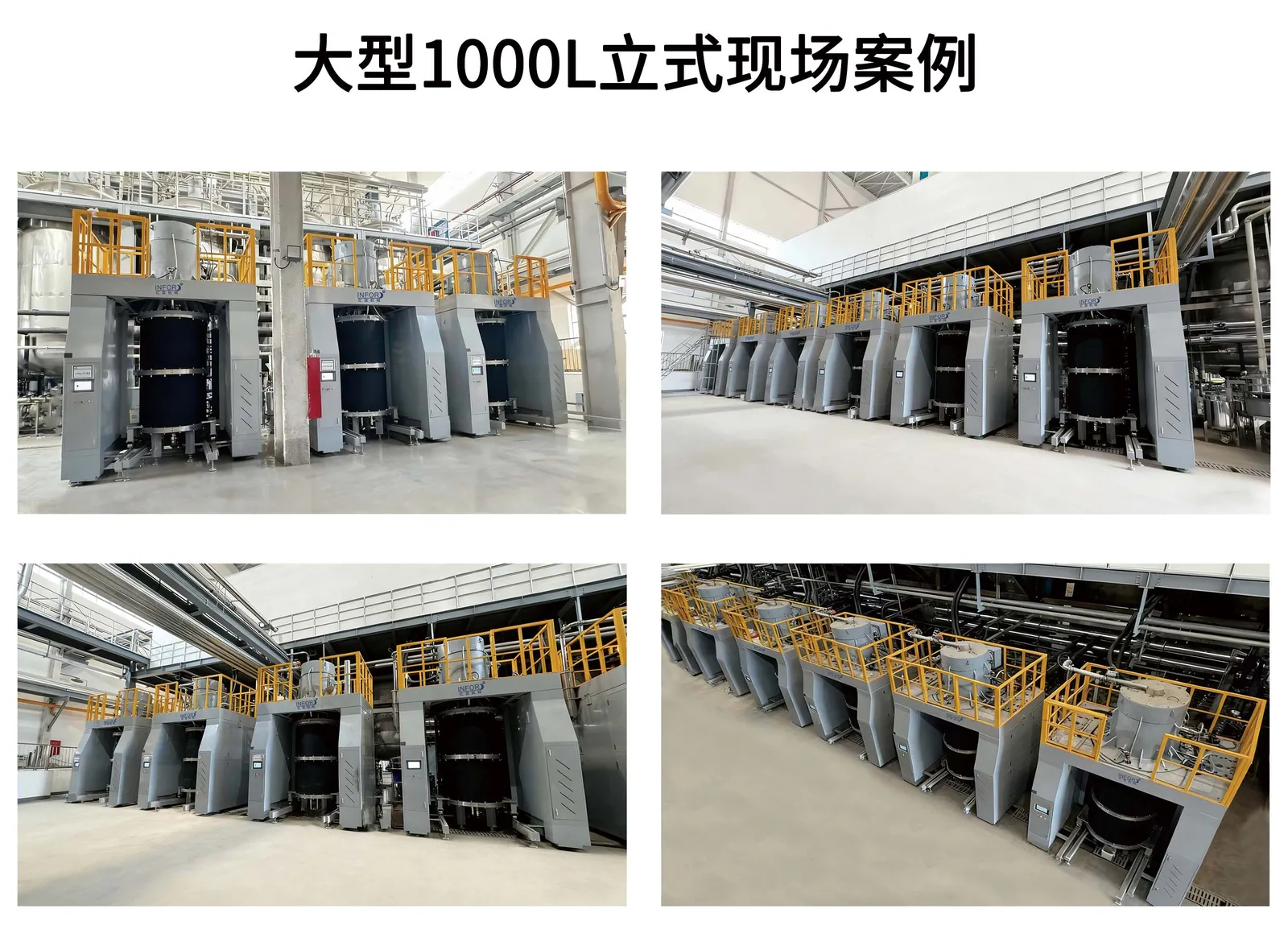
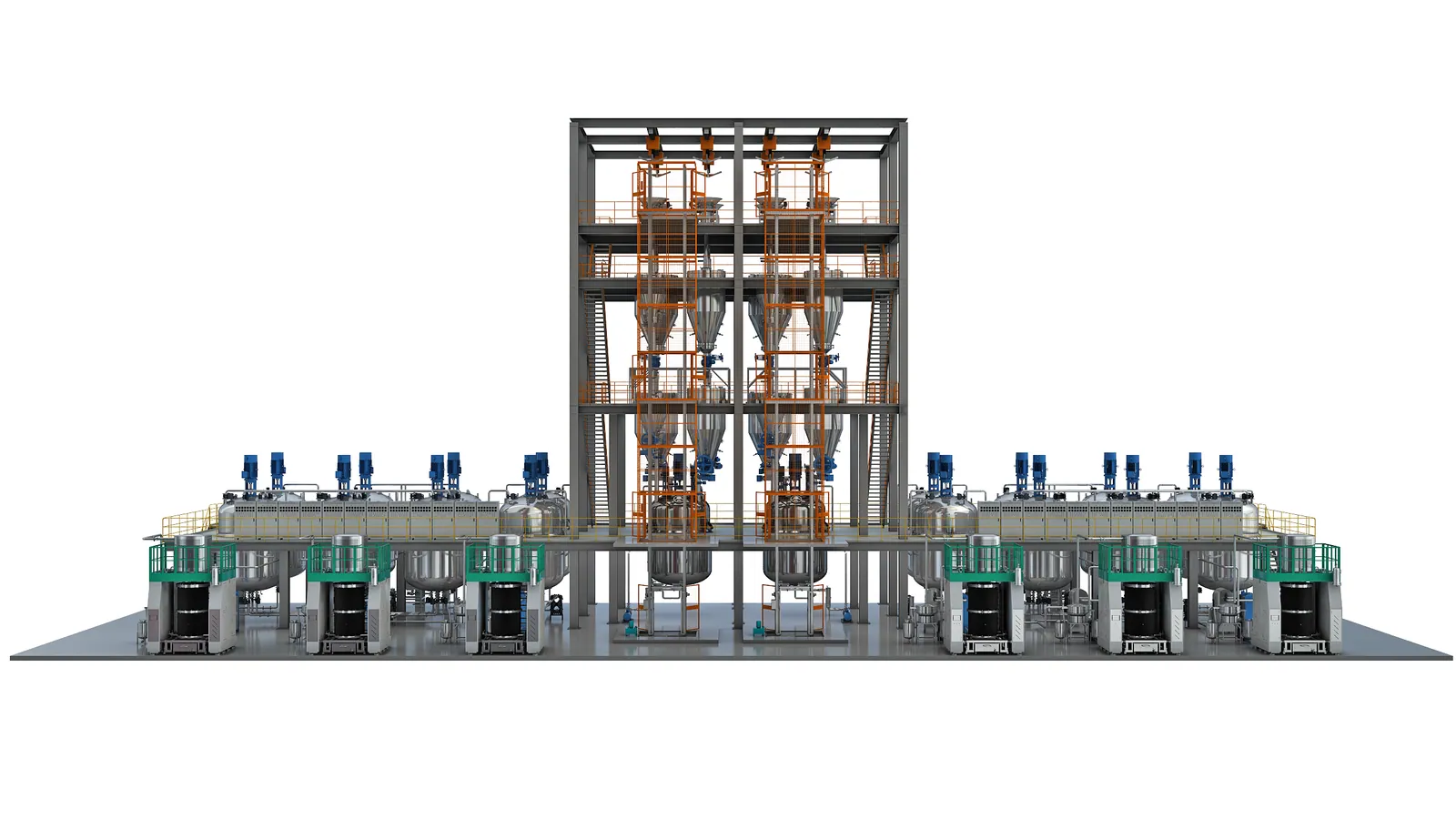
Morocco also allows wholly foreign-owned companies, but its tax incentives are fragmented and short-lived, free zone benefits are tightening year by year, and thresholds for land and import duty incentives keep rising. The cost comparison is clear: Shinzoom's original 100,000-tonne anode project in Morocco required RMB 5 billion, or RMB 500 million per 10,000 tonnes, while its 200,000-tonne integrated project in Oman requires RMB 8 billion, or RMB 400 million per 10,000 tonnes, 20% lower unit cost. With industry margins thinning, cost advantage is decisive. Construction materials and factory costs are also high in Morocco, many industrial parts are imported, and total plant construction costs often exceed twice those in China.
3. Resources suited to Chinese companies' new sectors
Chinese overseas investment has shifted from textiles and auto parts to energy-intensive, raw-material-dependent industries such as battery materials, green hydrogen, fine chemicals and desert agriculture, and the two countries' resource fit has reversed.
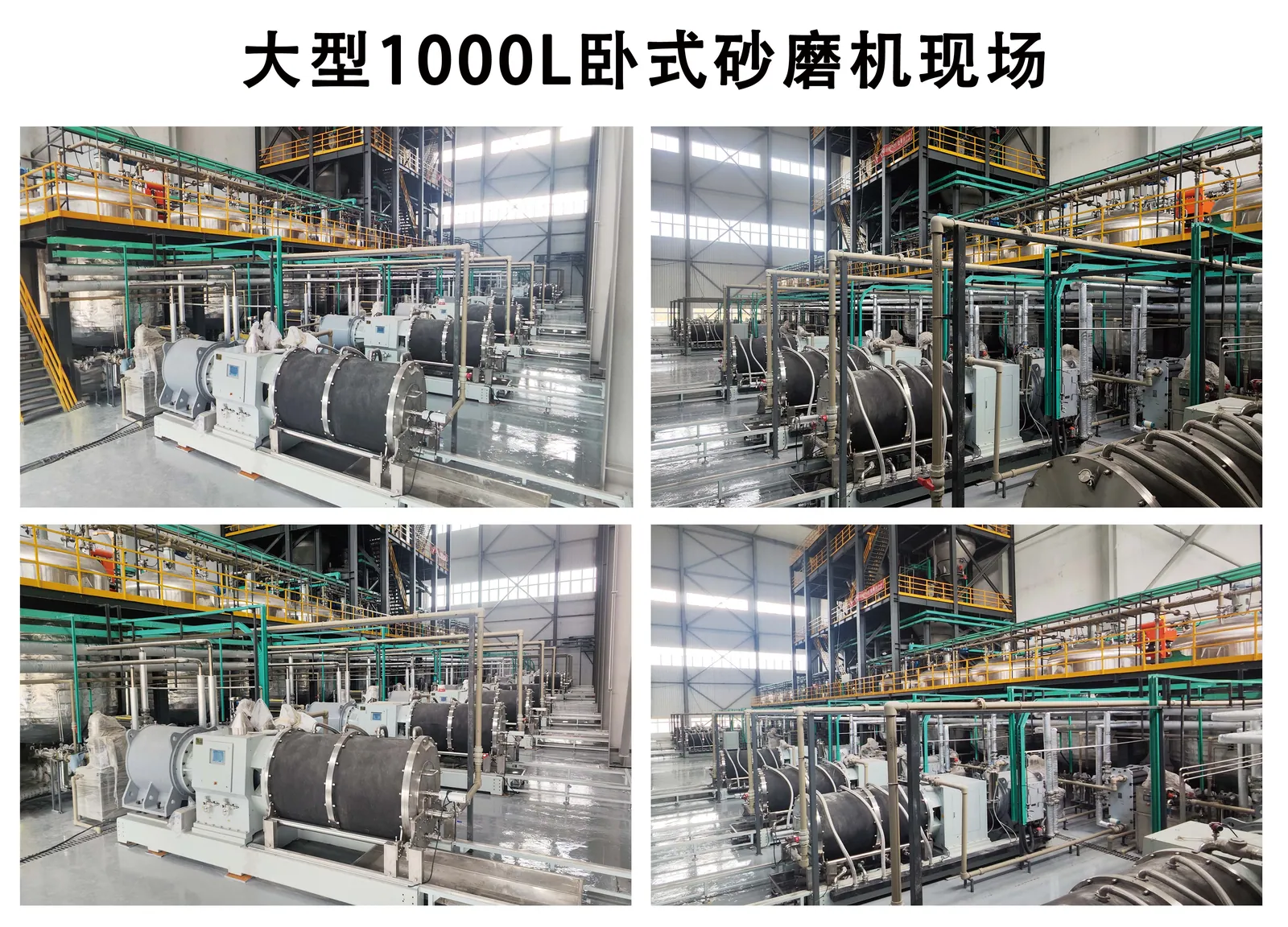
Oman has abundant oil, gas, wind and solar resources. Petrochemical by-products are core raw materials for anodes and chemical materials, so local sourcing greatly reduces transport costs. Its vast, low-cost desert land suits large integrated battery plants as well as Chinese agricultural companies working on desert soil improvement and water-saving cultivation, Guangdong Huahong Biotech, for example, dropped plans for North Africa in favour of agricultural cooperation in Oman. Under its Vision 2040, Oman is pushing hard on green hydrogen with cheap wind and solar power, matching the low-carbon needs of new energy manufacturing.
Morocco has little oil or gas and relies heavily on imported energy, with power and raw material costs rising each year. Flat land is scarce, good industrial land is tight and auction prices are high, making it hard to host Chinese integrated new energy projects of hundreds of thousands of tonnes; its advantages in light industry and auto assembly are fading in the new energy investment wave.
4. Deepening China-Oman cooperation versus diminishing returns in Morocco
China and Oman established a strategic partnership in 2018, aligning the Belt and Road Initiative with Oman's Vision 2040. Oman lists China as its largest economic and trade partner and has introduced targeted investment policies, offering Chinese new energy and infrastructure companies dedicated industrial parks, low-cost land and fast-track approvals, with the Sohar Free Zone and Duqm Special Economic Zone as the main hosts and one-stop government approval greatly shortening project timelines. High-level economic exchanges are frequent, cooperation frameworks in energy, infrastructure and manufacturing keep expanding, and China has long been Oman's largest trading partner, with mature official business mechanisms and stable, predictable policy.
Morocco is also a Belt and Road partner, but rising employment pressure and fiscal deficits have led to frequent changes in labour and environmental rules and stricter local hiring requirements, raising labour management costs. Policy continuity is weak, support for the digital economy and industry is fragmented, investment incentives are harder to realize, and many early Chinese investors face shrinking subsidies and rising compliance costs.
5. A balanced view: Morocco has not lost its value; Chinese companies are optimizing globally
The shift does not mean Morocco has lost its investment value. With its EU free trade agreement, Morocco remains suitable for small and medium light-industry and auto-parts companies focused on Europe and will stay on Chinese investors' lists. The move toward Oman is essentially global optimization driven by China's industrial upgrade: low-end capacity exporting to Europe is gradually being phased out while high-end manufacturing such as new energy and new materials globalizes, and the change of sector is shifting investment destinations.

In the medium to long term, as Middle East-Africa trade integration accelerates, Oman keeps rolling out investment policies and China-Oman cooperation deepens, the concentration of Chinese investment in Oman will grow, while Morocco will return to niche sectors serving European and African markets. This capital migration is both a proactive choice by Chinese companies adapting to changing global trade and a reflection of how regional economic patterns are being reshaped under the Belt and Road framework.