Almost everyone in the new energy supply chain is asking the same question: how are Chinese mining companies in Indonesia doing? As the global centre of nickel and cobalt resources, Indonesia affects everything from upstream mines to downstream batteries. Using the latest data, we look at four things: the current situation, the policy impact, why companies are holding on, and where the industry is heading.
1. The current situation: cuts, stoppages and half-running lines
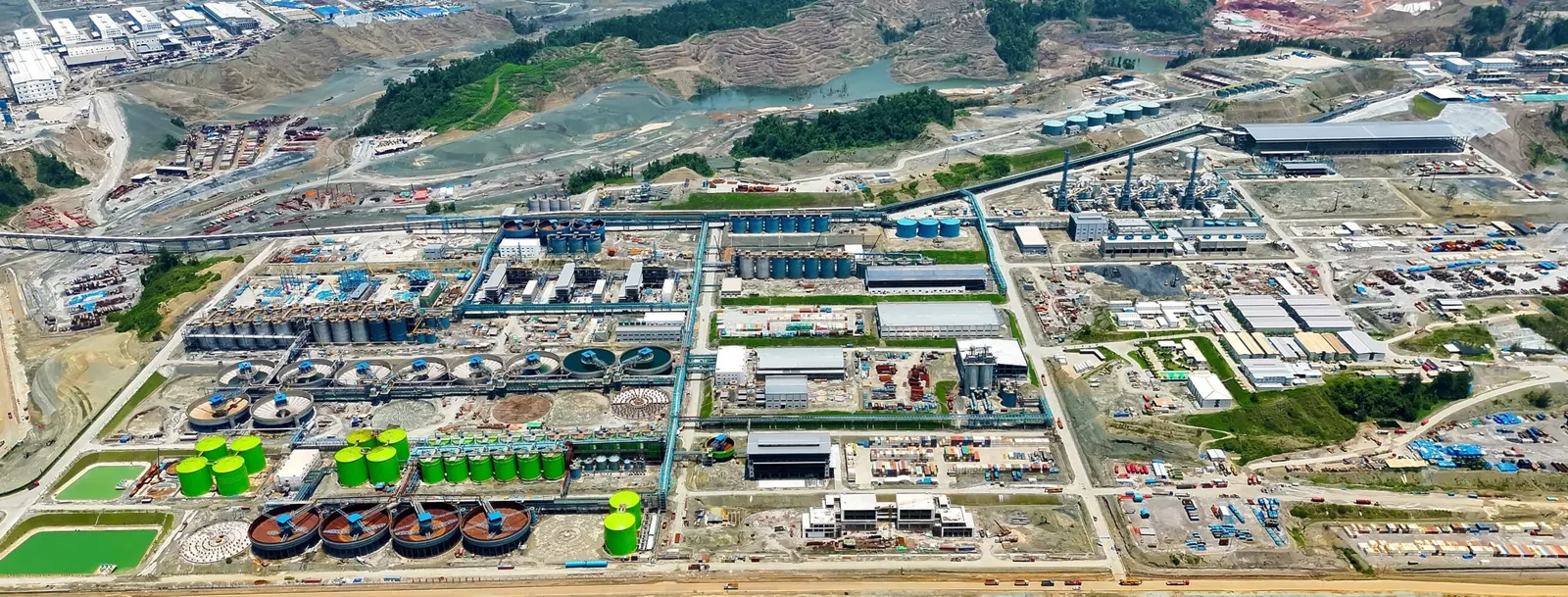
The reality is harsher than expected. Most Chinese-backed nickel and cobalt miners in Indonesia have entered widespread production cuts. The government has sharply tightened mining quotas (RKAB), approved output at several mines has been cut in half, and some small mines have nothing left to mine.
Downstream, smelters are struggling even more. With raw material supply interrupted, smelting is running at low load and overall utilization has fallen below break-even. Strangely, although everyone is losing money, no company dares to stop production; they keep lines half-running, neither stopped nor full, like a train with failing brakes holding in gear at the edge of a cliff.
2. A policy combination that hits where it hurts
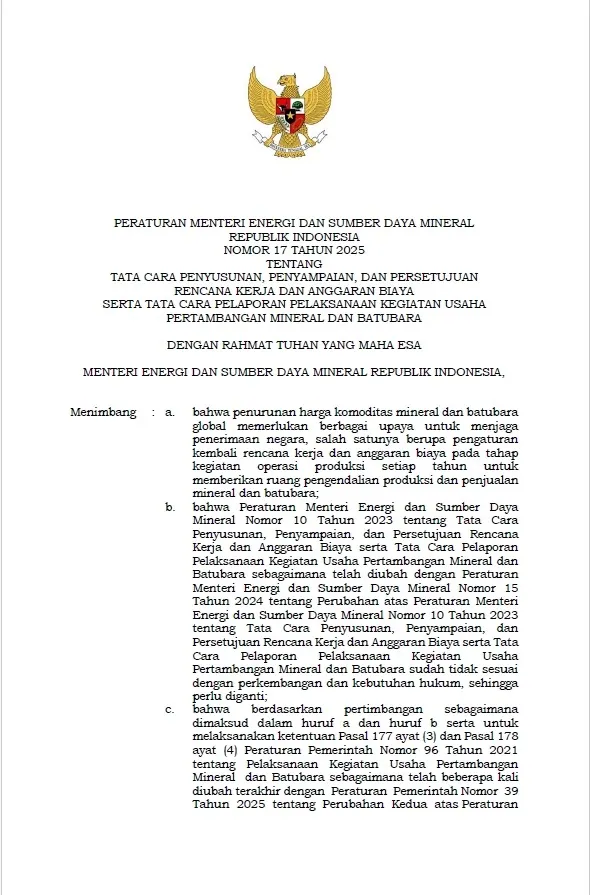
This round of policy changes is systematic and comes in four parts:
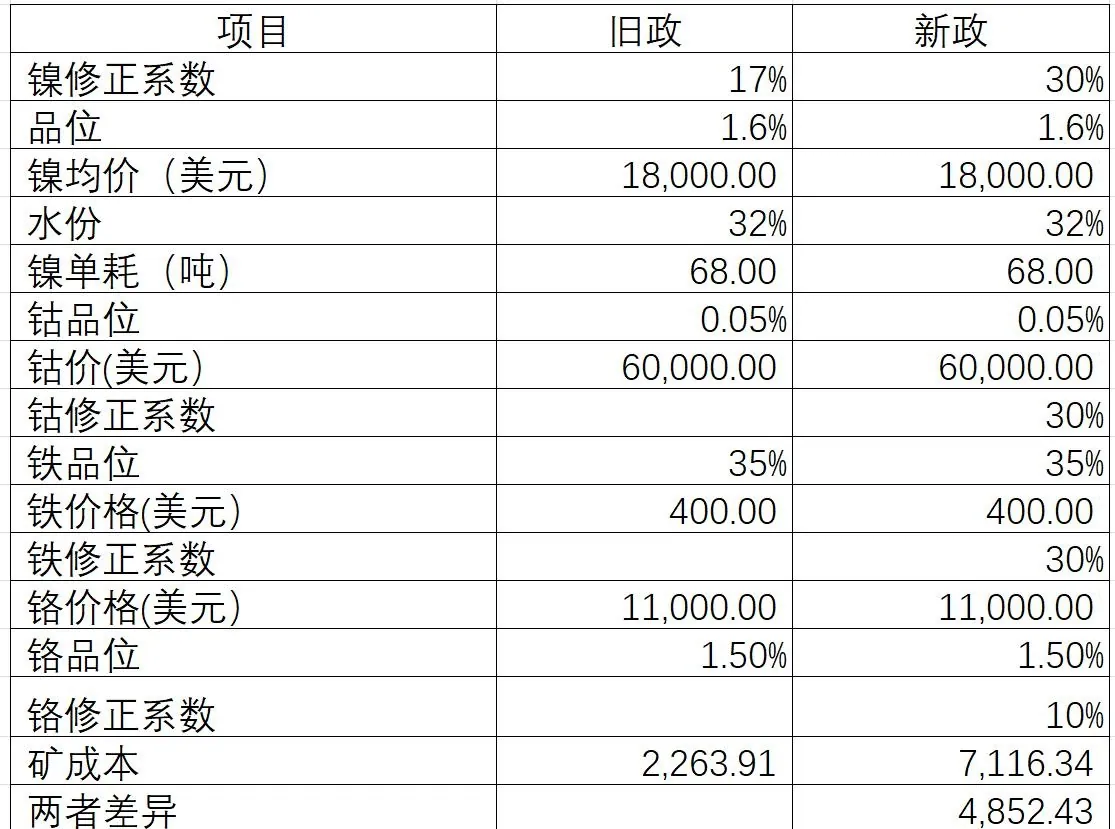
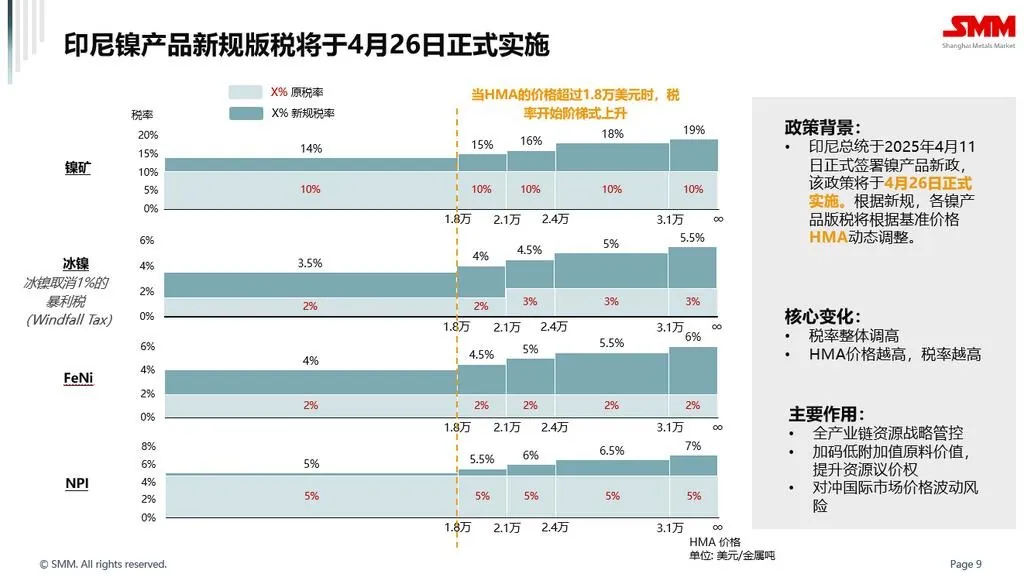
First, costs out of control. New mineral benchmark pricing (HPM) rules strongly favour Indonesian interests, and together with sharp increases in resource taxes, export taxes and local charges, overall raw material costs have nearly doubled. Processing fees for smelters remain capped, turning the middle of the chain into almost unpaid toll processing with margins squeezed dry.
Second, frozen cash flow. New rules require export proceeds in foreign currency to be held in Indonesia for a year. With the rupiah weakening against the dollar, companies' offshore cash pools are effectively out of reach and liquidity has nearly dried up, money cannot be repatriated, and what comes back has lost value.
Third, a cliff in policy expectations. Mining permits and annual quotas have moved from multi-year validity to annual review with increasingly vague criteria. This uncertainty has halted all new projects and expansions: new players cannot enter and existing players will not invest another cent.
Fourth, a reversal along the supply chain. Low upstream operating rates have hit equipment suppliers directly. Orders for large mining equipment and complete smelting lines have collapsed, leaving only occasional maintenance of old equipment and replacement of key parts, the market has switched from growth to fighting over a shrinking base.
3. Why hold on despite losses? Four reasons companies cannot exit
Many wonder why companies do not simply close and leave. The reality is more complex than the balance sheet: four constraints keep Chinese companies holding on.
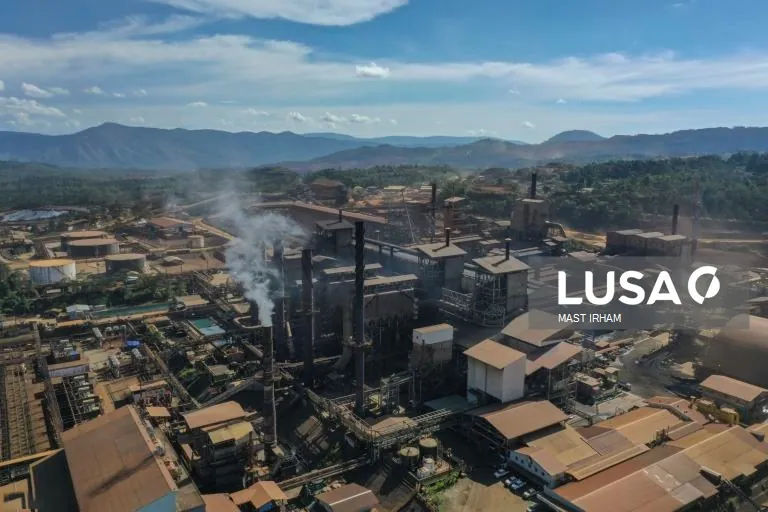
First, enormous sunk costs. Investments of tens of billions of yuan in captive power plants, large ports, heavy rotary kilns and 10,000-tonne-class high-pressure acid leach autoclaves are fixed assets. A full shutdown still incurs corrosion and depreciation, site security and tailings maintenance, so stopping loses money faster than running at low load.
Second, a domino of contract defaults. A full stoppage is not a simple notice: loan repayment terms, annual land and mining lease agreements and contracts with thousands of local employees could all be triggered, leading to chain litigation and even judicial seizure of assets.
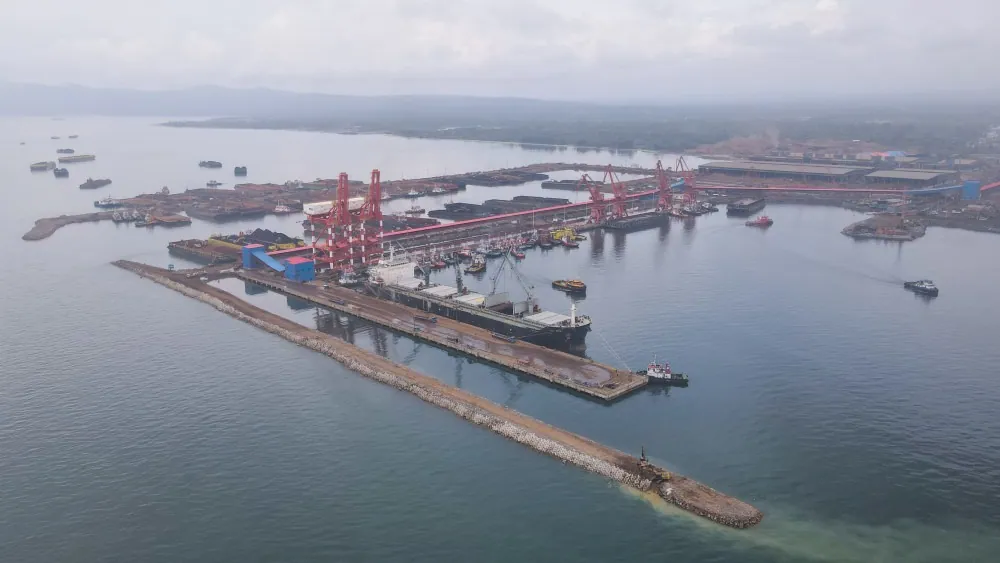
Third, keeping the pilot light on. As long as lines run, the team stays together and production licences and environmental permits remain valid. Companies are betting that policy will be adjusted in the short term and that when quotas loosen slightly they can ramp up first and seize the brief window for restarting.
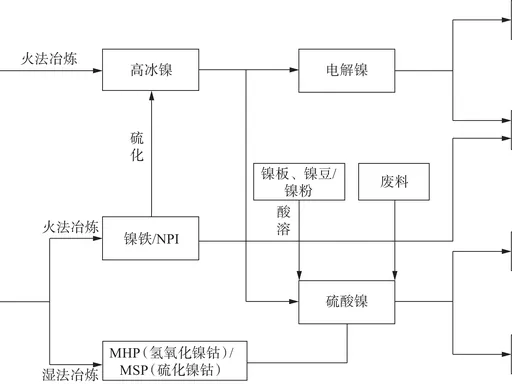
Fourth, a strategic backstop for the global supply chain. Global refined nickel capacity is highly concentrated in Indonesia; a mass exit by Chinese companies would send nickel prices soaring and seriously hurt the cost of batteries and EVs in China. Staying is therefore not only a commercial decision but a responsibility to provide ballast for China's new energy supply chain.
4. Outlook: short-term stalemate, long-term diversion
In the next one to two years (2026-2027), a major policy relaxation is almost impossible, at most cosmetic adjustments to quota approval timing or certain fees. The industry will remain in a weak balance of cuts, losses and stalemate, and small and medium smelters with fragile finances and no group backing will be eliminated first, raising concentration.
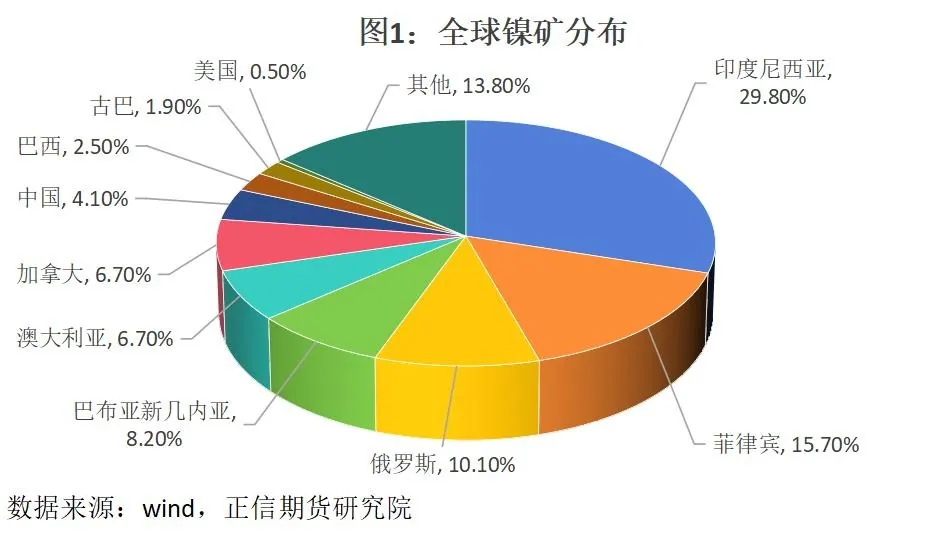
In the medium to long term (after 2028), an irreversible pattern is forming: Chinese companies will not bet heavily on Indonesia again. New capacity will be diverted to three new destinations: Brazil (rich nickel reserves and stable policy), Madagascar (an emerging nickel-cobalt belt with little development) and Oman (a geographic hub with low energy costs). Indonesia will keep only the existing older plants, and Chinese companies will gradually step back from operational control in favour of Indonesian private and state-owned capital.
5. Lessons for the bead mill and grinding equipment industry
For fine grinding equipment, the signal could not be clearer:
In Indonesia, only replacement, wear parts and maintenance orders will remain, with almost no new projects, so there is no need to commit major resources there.
The real growth markets are shifting to South America (Brazil, Argentina), Africa (DR Congo, Madagascar) and the Middle East (Oman, Saudi Arabia), where new projects starting from scratch will create firm demand for complete beneficiation, smelting and tailings equipment.
Our industry should be clear-eyed: Indonesia is for holding existing business and collecting cash, while the era of multi-centre global new energy investment has begun. Those who put down roots first in South America, Africa and the Middle East will hold the ticket to the next cycle.