A nanometre is a unit of length equal to one billionth of a metre. When matter is reduced to the nano scale it shows properties very different from those at the macro scale: a conductive metal gradually becomes a semiconductor and then an insulator, and at even smaller sizes quantum effects make it conductive again. In the microscopic world, nanomaterials show remarkable properties such as macroscopic quantum tunnelling, surface effects and small-size effects.
Not all nanomaterials are man-made. Nature has them too: nano-scale papillae on lotus leaves let water droplets roll off without a trace; butterfly wings change colour with the light because of nanostructures; and tooth enamel is made of nano-scale hydroxyapatite crystals, which make it extremely hard and wear-resistant. These natural nanomaterials have evolved remarkable performance over long periods of time.
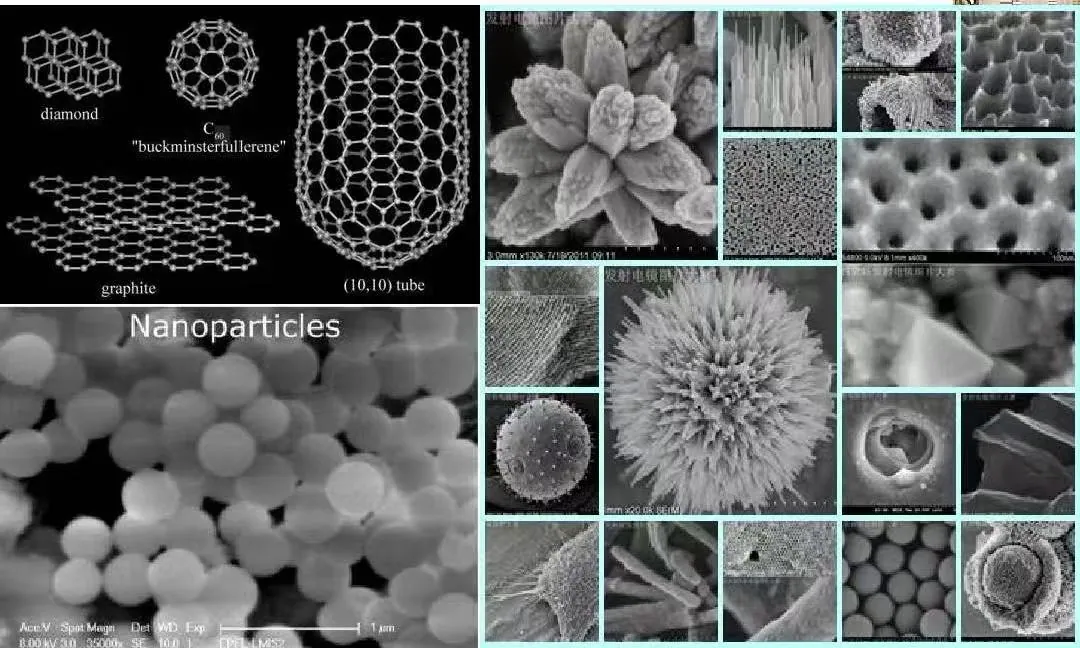
When matter is shrunk to the nano scale it is as if magic is applied: its inherent properties change fundamentally. These phenomena open new dimensions for research and new paths for applications.
In future, nanorobots may even enter the human body to treat disease. Such a robot is a system of functional molecular devices that can operate in nano space and looks nothing like a conventional robot, a single nanorod or nanotube can be a nanorobot.

In energy, the three-dimensional conductive network built by carbon nanotubes in lithium-ion batteries gives electrode materials a "highway" for electrons, dramatically increasing charging speed. Nano-modified batteries can also reuse heat in winter through graphene thermal coatings to extend range. For safety, nano thermal-insulation coatings act as heat barriers, keeping the battery structure intact for about 15 minutes even in extreme thermal runaway and buying precious time for escape after an accident.
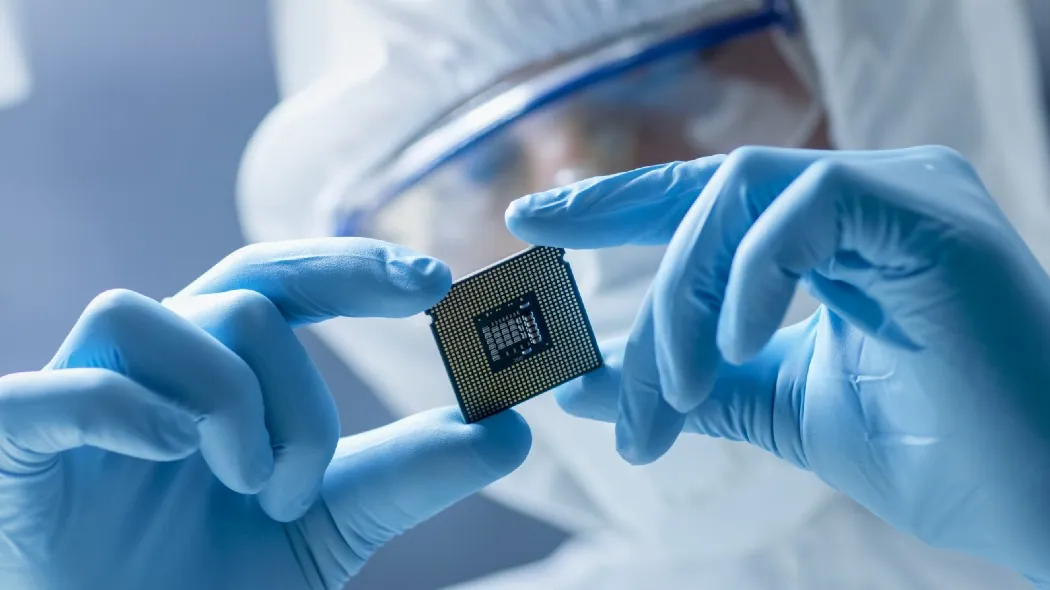
Information technology also shines at the nano scale. With lithography breaking through the 2 nm node, a fingernail-sized chip holds more than ten billion transistors, and the resulting computing power is driving leaps in AI and the Internet of Things. In parallel, nano-sensor technology is bringing environmental monitoring and health management into a new era of real-time precision.
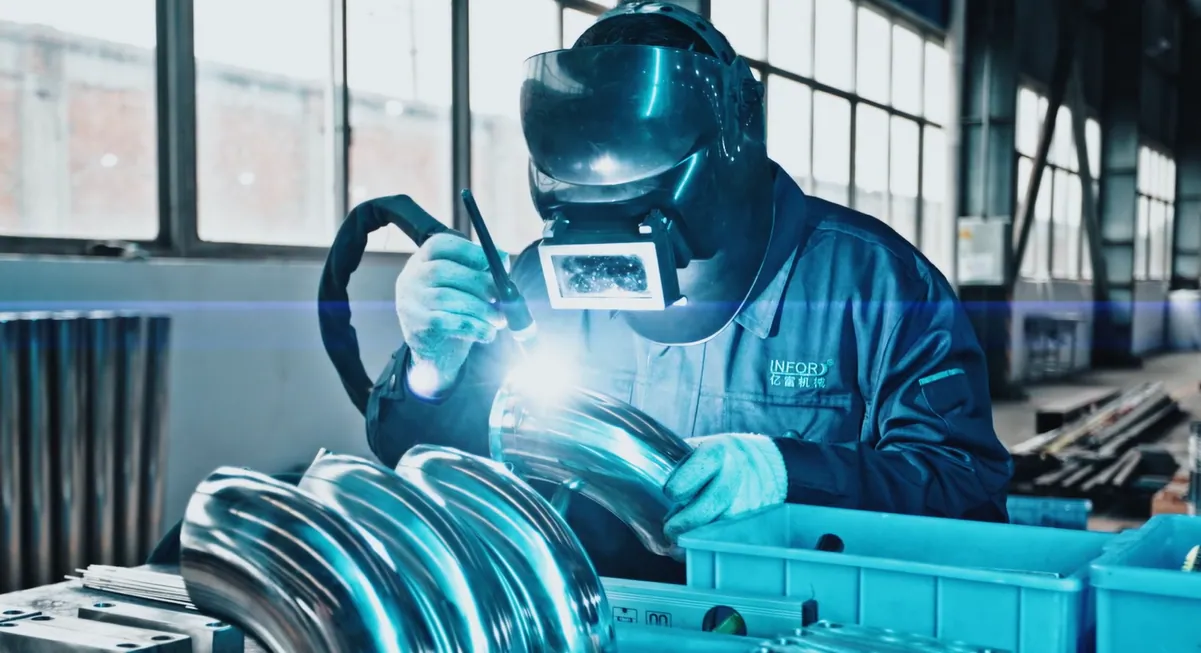
As humanity looks to the stars, nanomaterials show unprecedented potential. A space elevator cable made of carbon nanotubes could in theory be a hundred times stronger than steel, making low-cost transport between Earth and space possible. Nano protective layers give spacecraft armour: the porous structure of nano aerogels blocks the extreme cold of space and withstands the intense heat of re-entry, while nanocomposite coatings use multi-layer interface reflection to cut cosmic radiation doses by three orders of magnitude, a key solution for life support in deep-space exploration.
The INFOR vertical nano bead mill was developed for grinding high-end nanomaterials. Efficient and stable, screen-free with no bead leakage and able to grind to a few tens of nanometres, it provides advanced equipment support for the nanomaterials industry. Follow us for more on high-end nano grinding.