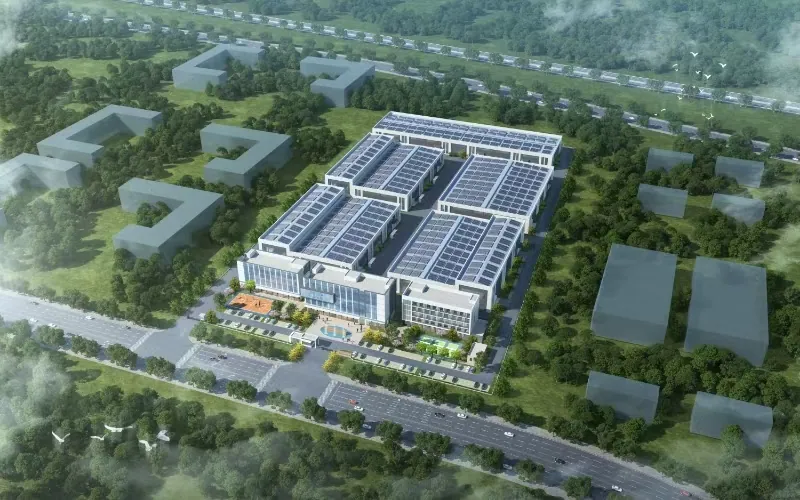
Two major policies this week are profoundly reshaping China's new energy industry, from battery materials and storage to vehicle manufacturing and equipment exports.
First, a new consumption tax on lithium batteries. The Ministry of Finance, the General Administration of Customs and the State Taxation Administration announced that from 1 September 2026 conventional lithium-ion batteries will be subject to a 2% consumption tax, rising to 4% from 1 September 2027, while sodium-ion, solid-state and fuel cells are exempt until the end of 2028. Exported batteries are eligible for refunds after collection. The tax lever is clearly designed to push the industry from low-end expansion to high-end innovation.
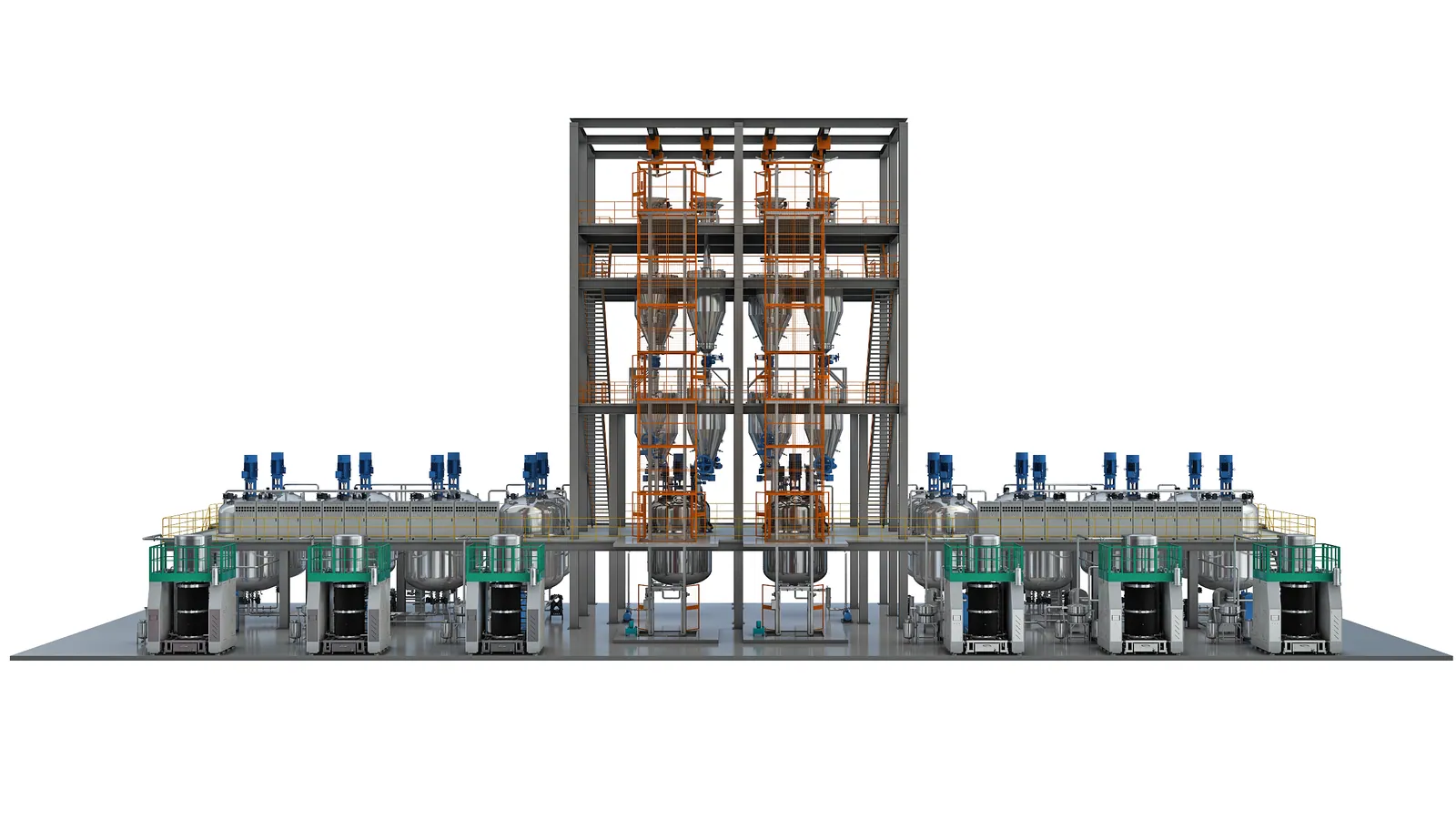
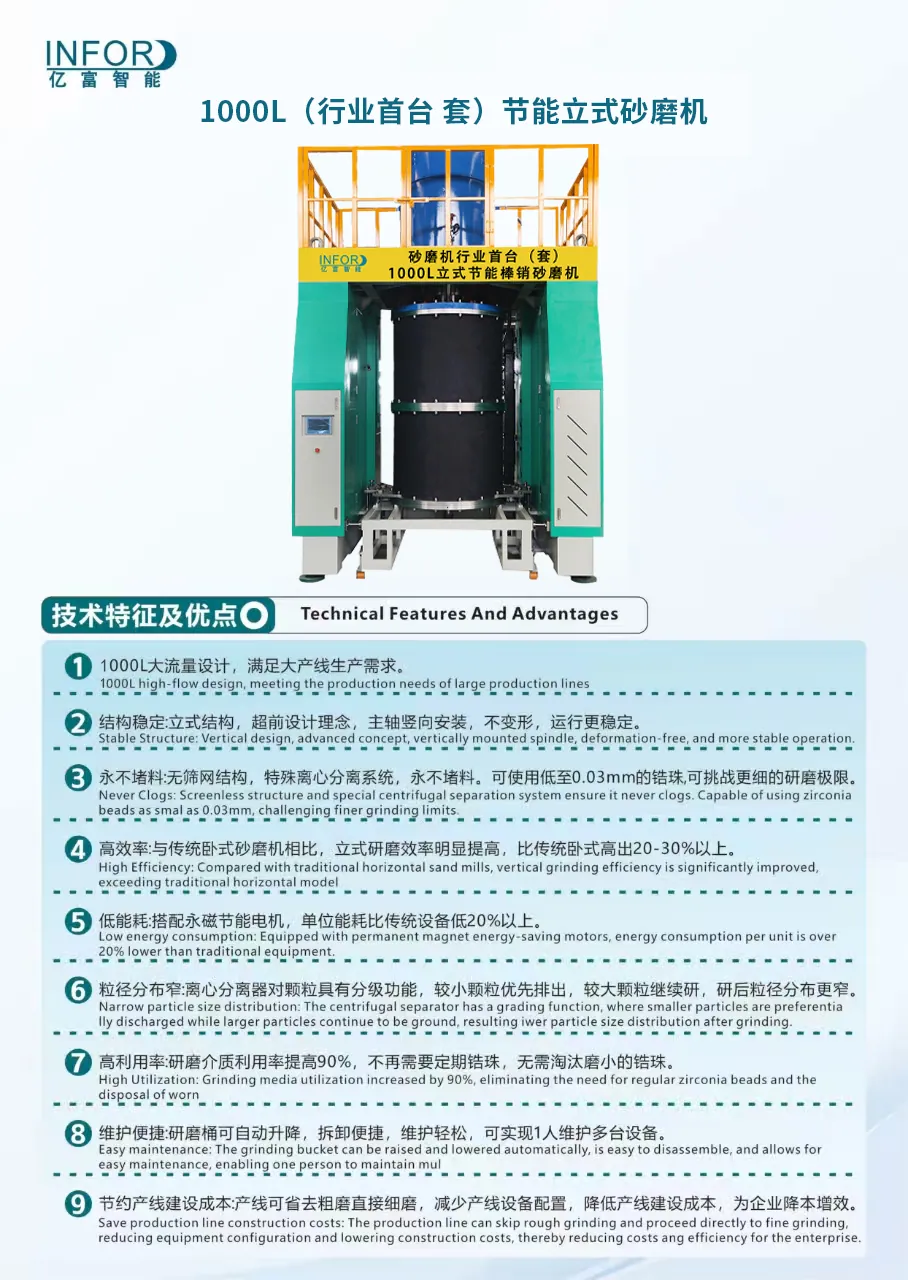
Second, the 15th Five-Year renewable energy plan. It targets about 3,500 GW of installed renewable capacity by 2030, including at least 2,800 GW of wind and solar, more than half of total capacity, with total investment expected to exceed RMB 5 trillion over the period. Its core directions are long-duration storage and coordination between computing and power. Recently PetroChina and major storage companies have made large centralized purchases of LFP storage systems, storage orders for AI data centres are booming, and demand for liquid-cooled storage, slurry processing and grinding equipment is visibly rising.
In the cathode market, LFP prices have bottomed out and are recovering. Hunan Yuneng announced on 15 July that it will raise prices across its range by RMB 2,000 per tonne from 1 August, and leaders such as LOPAL have followed. Overseas, LOPAL's phase three LBM project in Indonesia, 120,000 tonnes a year of second- and third-generation LFP cathode, broke ground in July with a 12-month construction period. Dynanonic has built 450,000 tonnes a year of phosphate cathode capacity and plans a further 500,000 tonnes.
The EV picture is also clear: China's NEV penetration has held above 60% for three consecutive months, reaching 62.8% in June. With fierce competition, automakers are cutting inefficient domestic capacity and building assembly plants abroad. Weilan Lithium Core announced on 9 July plans to invest USD 290 million in a 5 GWh cylindrical battery project in Indonesia, and EVE's Malaysian plant has begun overseas volume deliveries.
Solar is being reshuffled too. A mandatory national energy-efficiency standard for solar took effect on 20 July, sharply raising minimum conversion efficiencies for TOPCon, HJT and BC modules, and about 30% of capacity is expected to be eliminated, benefiting high-efficiency BC modules. With finished module exports restricted by US anti-circumvention rules, companies are exporting complete line equipment instead and doing back-end packaging in Malaysia and Vietnam.
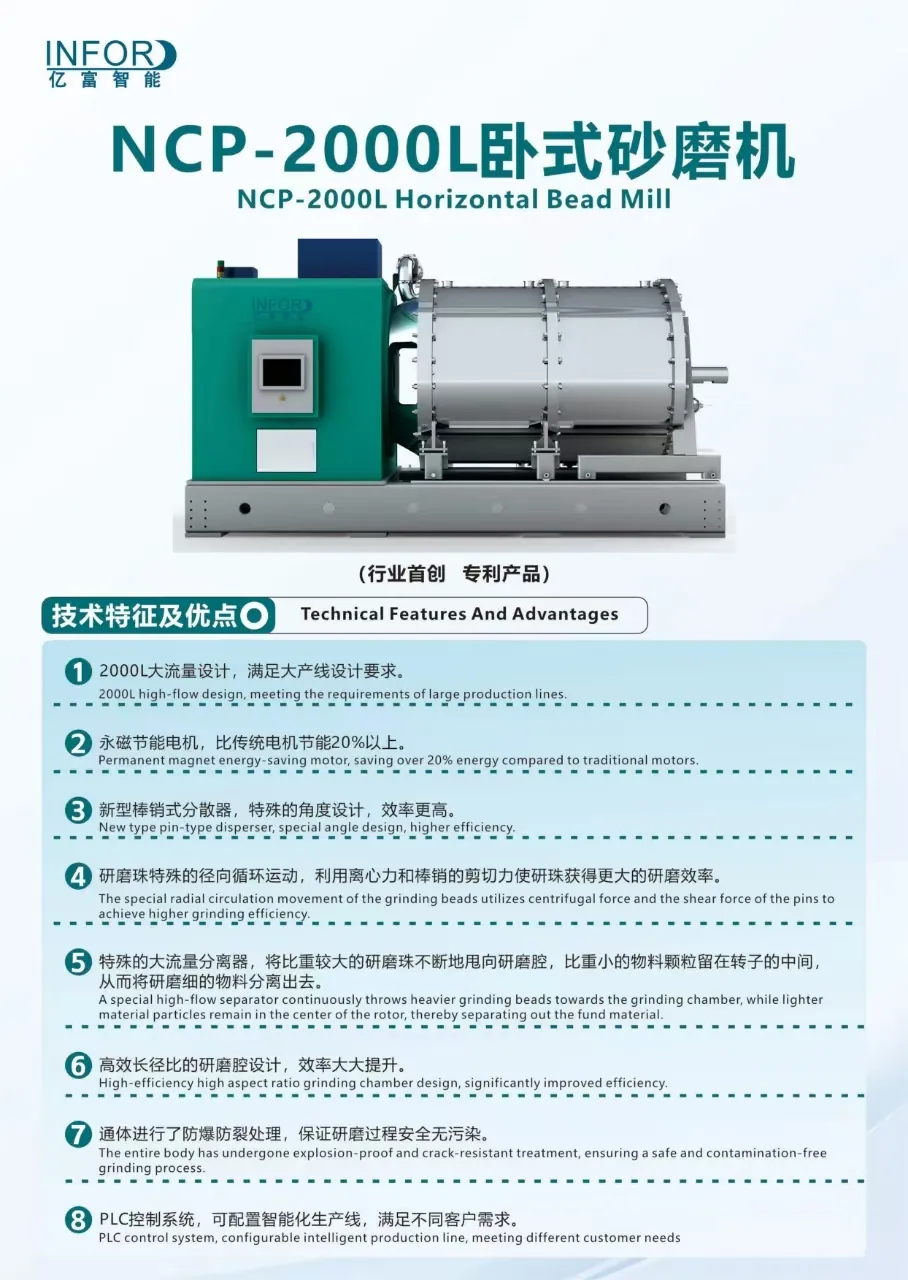
In short, China's new energy industry has completed its era of all-out expansion, and the logic is clear: low-end materials go abroad, high-end technology stays at home and manufacturing equipment is sold worldwide. For battery equipment professionals, whether through domestic upgrades or plants built around the world, equipment is the most reliable growth opportunity of the next two to three years.