A few years ago Indonesian nickel was the second home of Chinese battery investment, with leaders from smelting to precursors crowding in and capacity expanding rapidly. But local policy swung like a roller coaster: export taxes changed at short notice, mining quotas tightened every year and even foreign ownership limits were re-examined, leaving many companies with thin margins and hesitant to expand.
In response, a broader wave of diversification is under way. Madagascar is emerging, Oman remains popular, and Brazil, straddling the equator with vast mineral resources and Latin America's largest market, is quickly becoming the next hot spot.
Here we look at five aspects: why Chinese companies are investing heavily in Brazil, what is actually happening on the ground, and the opportunities for equipment suppliers in the gaps of the supply chain, especially why bead mill makers may see a once-in-a-decade blue ocean.
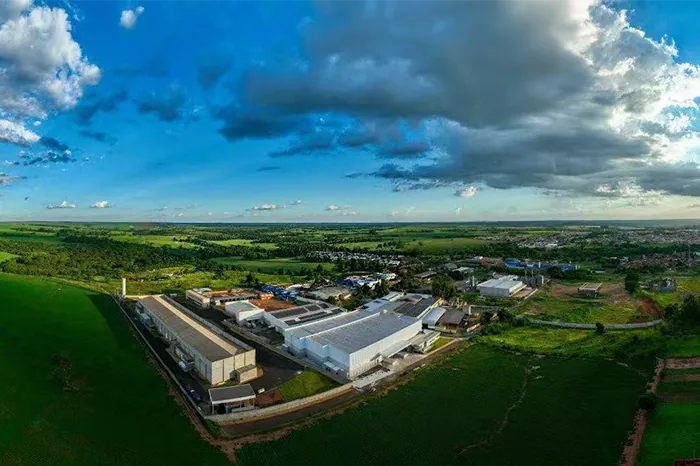
1. Why invest in Brazil? Four drivers
1. Diversifying the supply chain
Brazil has lithium, nickel, graphite, rare earths and other key battery minerals, offsetting over-reliance on Indonesian nickel. Together with cobalt and lithium bases in Africa, Chinese companies are building a global resource security net across Asia, Africa and Latin America to avoid being held hostage by any one country's policies.
2. Resources and market together
Brazil is not only rich in minerals but Latin America's largest car market. Chinese companies can mine, refine, make batteries and assemble vehicles locally, completing the chain, saving large shipping and tariff costs compared with shipping from Asia and responding much faster.
3. A springboard to a South American market of 500 million
Under the MERCOSUR free trade agreement, EVs and energy storage systems made in Brazil can be exported at low tariffs to Argentina, Uruguay, Paraguay and other countries, a strategic value far beyond a single country.
4. Long-term policy and a clear energy transition path
Brazil has clear carbon neutrality goals backed by long-term incentives such as tax relief, low-interest credit and R&D subsidies. Strong policy continuity suits the heavy-asset, long-cycle battery industry.
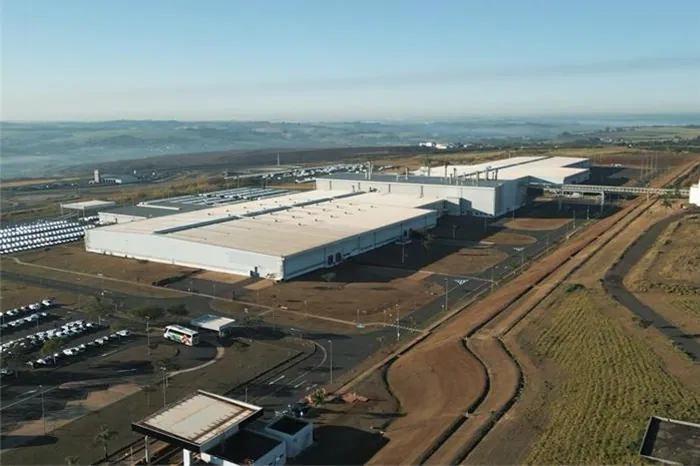
2. Brazil's strengths: four advantages
① Low-cost minerals and green power
Brazil has ample ore reserves and abundant hydro, wind and solar power. Refining is energy-intensive, and affordable green electricity directly lowers cathode and anode production costs, with far less environmental pressure than coal-powered regions.
② Huge room for clean energy infrastructure
Wind and solar land is cheap, and green power investment over the next decade is expected to reach hundreds of billions of reais. Storage demand is set to boom, bringing continuous orders for batteries and upstream equipment.
③ Latin America's fastest-growing EV market
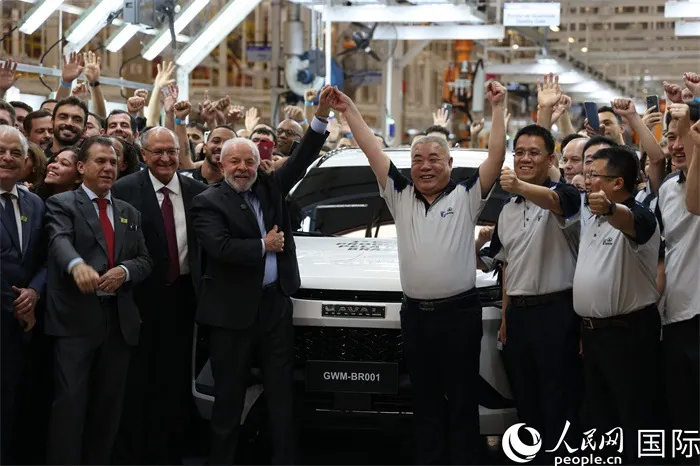
Chinese EV brands already lead in Brazil, but imported vehicles still pay high tariffs. Local plants avoid tariff barriers and benefit from national industrialization policies, and BYD and Great Wall are already there.
④ Mature parks and convenient finance
Several Brazilian states offer tax incentives for industrial parks and stable power agreements, and China and Brazil now settle in local currencies, greatly reducing exchange-rate risk. Large integrated industrial parks are becoming the norm.
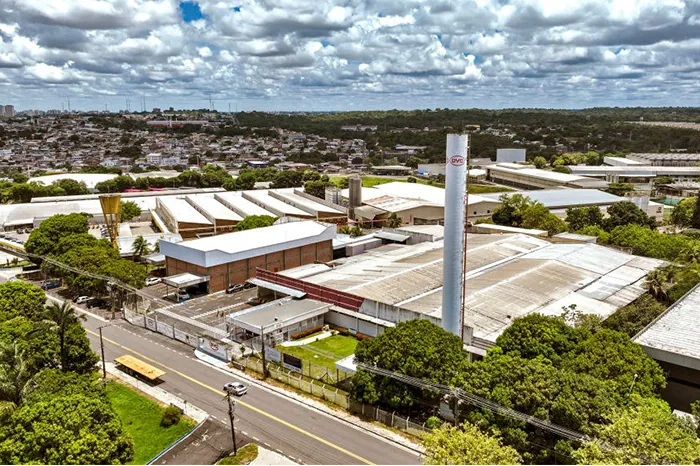
3. Chinese leaders already in Brazil (partial list)
· Vehicles and batteries: BYD (Camaçari plant), Great Wall Motor (Iracemápolis), Chery, CATL (with local mining companies), Deye.
· Wind, solar and grid: State Grid Brazil Holding, China Three Gorges, China Energy Engineering, Envision, Huawei Digital Power, Sungrow.
· Upstream minerals and materials: Huayou Cobalt, GEM, Tsingshan (nickel pig iron and battery materials).
· Frontier technology: Mingyang Hydrogen, Great Wall's FTXT Energy (hydrogen fuel cells).
From ore to vehicles and from power generation to storage, a full Chinese supply-chain presence is taking shape.
4. Bead mills: why this is a golden growth market
1. Almost no local equipment capacity
Cathode, anode, graphite and lithium salt lines in Brazil are all being newly built, and there are almost no local suppliers of production-scale bead mills. Chinese equipment makers following existing customers arrive as pioneers, and winning orders is far easier than in China's crowded market.
2. Energy-efficient bead mills plus green power
Brazil's low power prices make high-efficiency bead mills even more economical, and with partial tariff relief on imported equipment and better local technical service, customer decision cycles are noticeably shorter.
3. Multiple applications that resist cycles
Power batteries, large-scale storage, niobium-based new materials and battery recycling all need grinding and dispersion equipment. If one segment slows, others provide support, making the business far more resilient than relying on a single market.
4. Going with leading customers and building a regional service network
By following customers such as Huayou, GEM and CATL and setting up spare-parts stock and service teams in Brazil, equipment makers can later serve neighbouring mining countries such as Argentina, Chile and Peru, one investment, long-term returns.
5. Risks: opportunities with challenges
· Policy uncertainty: mineral taxation and foreign investment policies may change after a presidential transition, so elections need close watching.
· Approval times: environmental permits and land use approvals take a long time, so allow ample time.
· Talent: local new energy engineers are scarce, so high-salary recruitment or China-Brazil joint training should be planned early.
· Infrastructure gaps: the north has abundant wind and solar, but ports, roads and transmission are weak, and early infrastructure investment should not be underestimated.
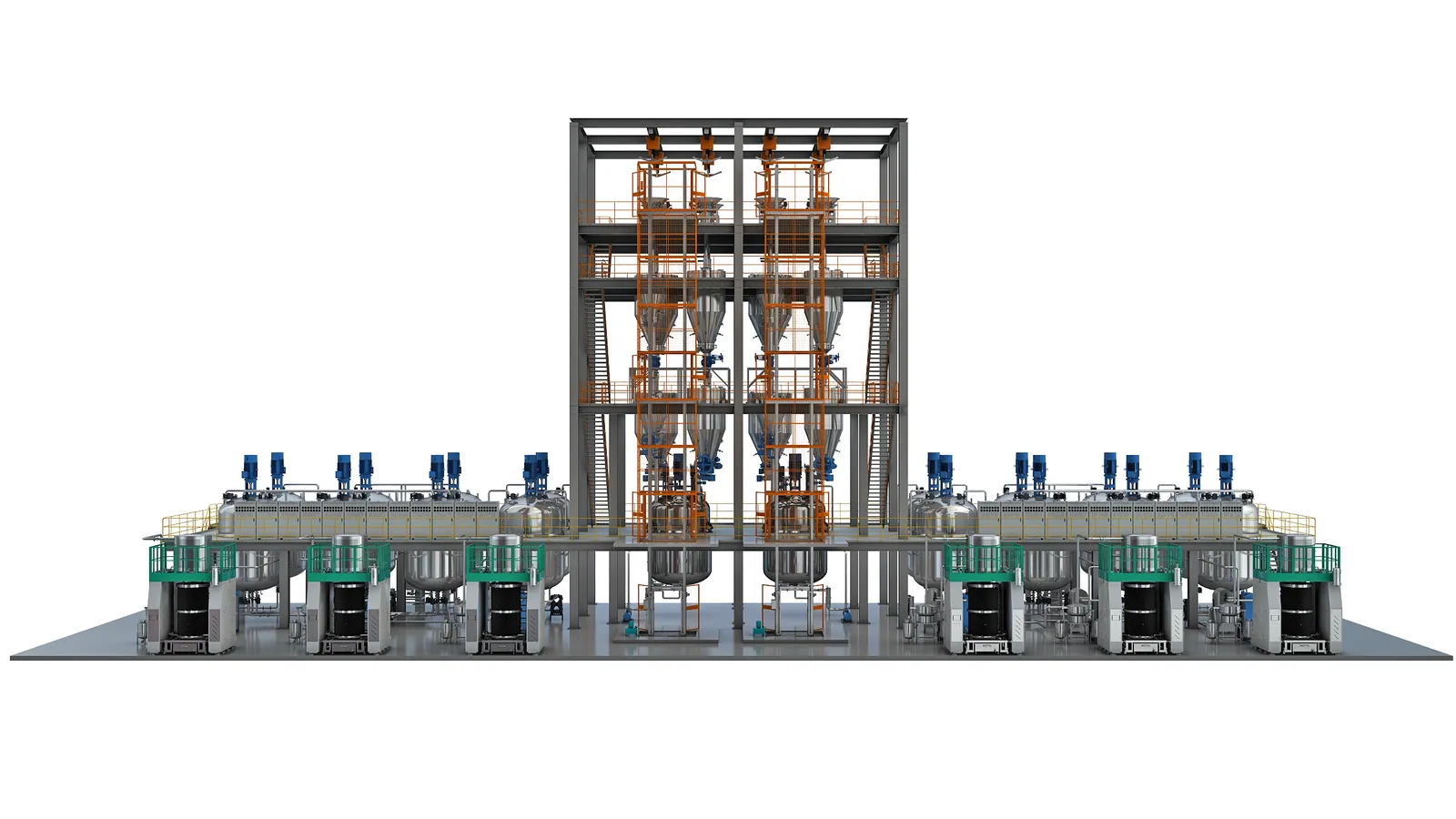
Brazil is no longer just the land of football and samba but a key piece in the global strategy of Chinese new energy companies. It fills resource gaps and opens new markets, forming a second pillar alongside Africa across the two hemispheres.
For equipment makers such as bead mill suppliers, now is the window to get in early, not after all the lines are built. Get involved at the project planning stage, work with design institutes and environmental agencies and secure technical agreements in advance.
Of course, going overseas is not about following the crowd. Materials companies in mineral processing should focus on high-value products, and equipment makers should build local service and after-sales networks early. Only by respecting local laws and cultures and moving steadily can companies ride Brazil's decade-long new energy express.
We wish every Chinese company investing in Brazil steady progress and long-term success.