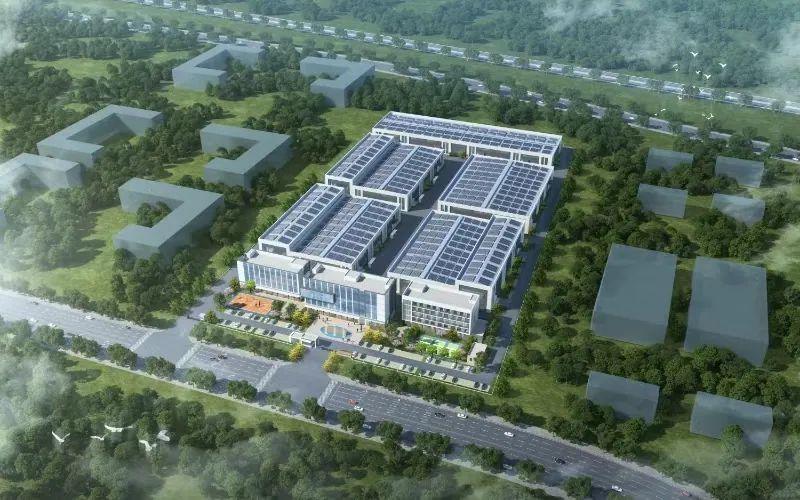
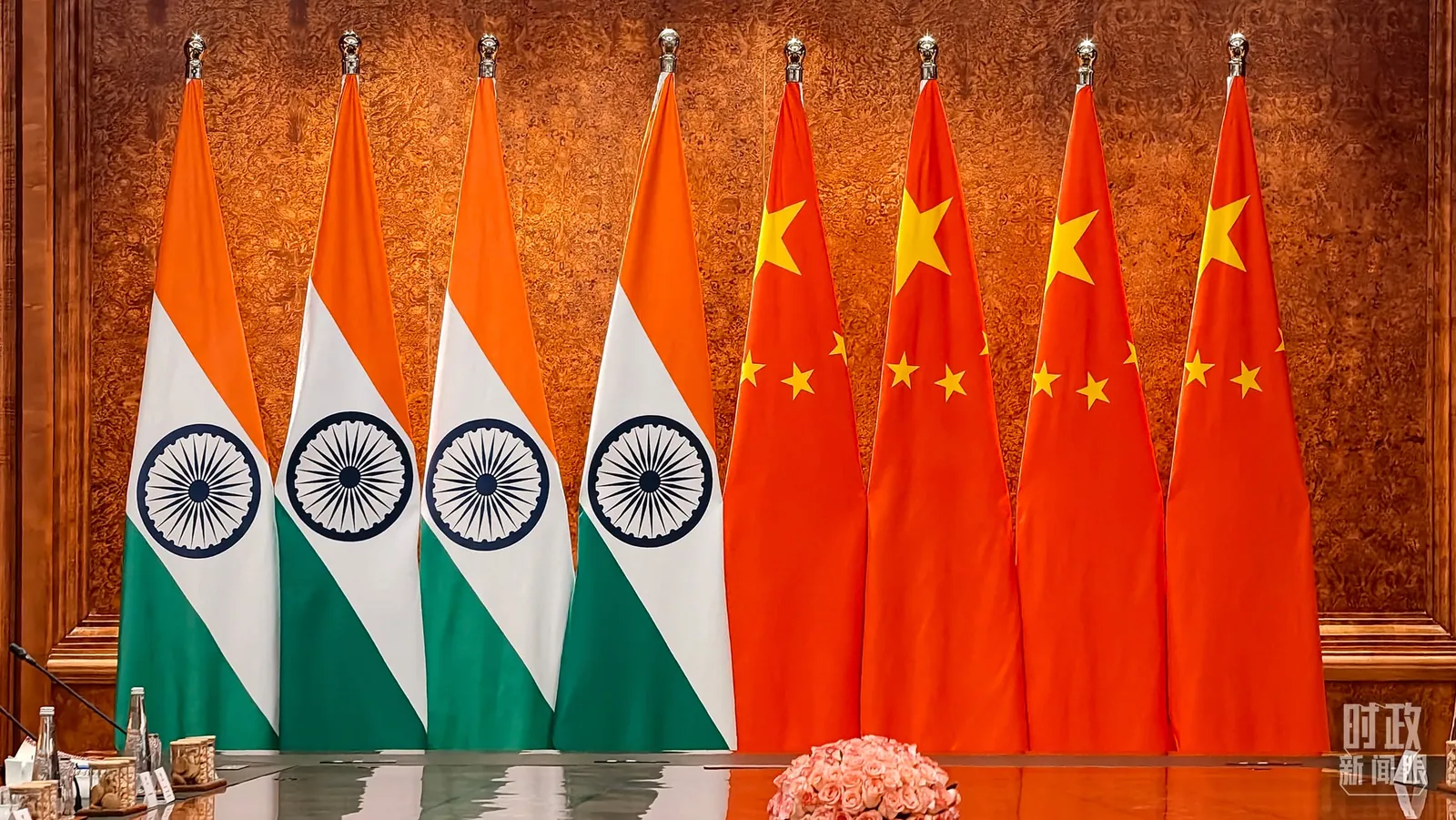
On 12-13 September, the 18th BRICS Leaders' Summit was held in New Delhi, India. From the bilateral meeting between President Xi and Prime Minister Modi, one line has been quoted again and again:
"China and India should be partners, not rivals; development opportunities for each other, not threats."
India has 1.4 billion people; vehicle electrification is just beginning, storage and solar are expanding, and lithium batteries, chemicals and new materials are all being pushed toward local manufacturing. But in recent years difficult visas, few flights and tight scrutiny have deterred many companies. After this summit, the wind has shifted.
1. The basics: a young giant on the South Asian subcontinent
India lies on the South Asian subcontinent, bounded by the Himalayas to the north and the Indian Ocean to the south. With an area of about 3.28 million square kilometres, it is the world's seventh-largest country. From north to south its terrain divides into the Himalayan mountains, the Ganges plain and the Deccan Plateau. Its tropical monsoon climate, with distinct wet and dry seasons, supports agriculture and large-scale industrial water use, and means new energy projects must be adapted to heat, humidity and dust.
With a population of about 1.44 billion, a median age under 29 and more than ten million new workers every year, India is one of the world's youngest major countries. Labour is cheap, English-speaking talent is plentiful and engineers are abundant, but skills are clearly stratified: general workers are inexpensive, while skilled workers who can tune lines and understand material processes are scarce. This combination of demographic dividend and skills gap is exactly where Chinese intelligent equipment and process expertise can most easily enter.

2. Industrial base: strong in vehicles and chemicals, but the new energy chain depends on others at both ends
India is the world's fifth-largest economy, expanding in consumption, infrastructure and manufacturing at once: it produces more than 4 million cars a year, leads the world in two- and three-wheelers, has a strong base in generic drugs and fine chemicals, and local conglomerates such as Tata, Reliance and Mahindra span steel, power, chemicals and batteries. But in the new energy chain the structure is strong midstream assembly, weak upstream materials and imported equipment: lithium, nickel, cobalt and graphite are largely bought in; local supply of cathode, precursors, electrolyte and separators is insufficient; cell production is being pushed by the ACC PLI scheme; and front-end grinding, dispersion and powder equipment comes mainly from China, Japan and Germany.
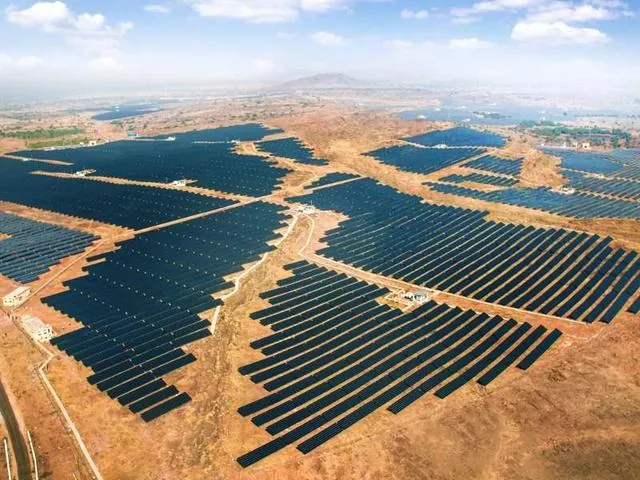
On the new energy side, three waves are overlapping: EV penetration is still low but rising steeply; solar installations rank in the global top three, but India is strong in modules and weak in wafers and cells; and energy storage is just taking off, driven by grid peak shaving and a long-term target of 236 GWh. In short, India does not lack demand, it lacks the production lines and processes to make materials reliably.
3. A changing landscape: positive signals on visas and flights
Dialogue between the two powers has opened more windows for companies going abroad. First, visas. China and India do not have mutual visa exemption, but channels for business and technical staff are being simplified. India has introduced the e-B4 electronic production investment business visa, suitable for executives and engineers of equipment companies travelling to India for commissioning and business visits, with all documents submitted online and no embassy visit required. Short-term business and technical visas are easier to obtain, with stays of up to six months. Long-term work visas remain strictly reviewed and tourist visas have re-entry interval limits, but the road for doing business is wider than before.
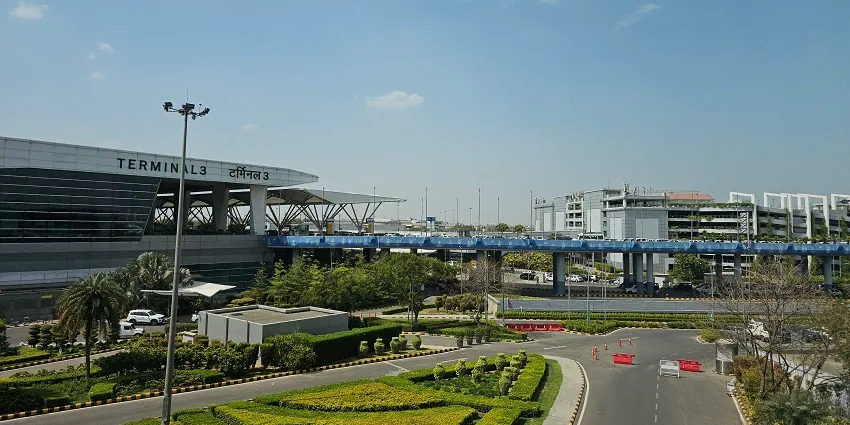
Next, flights. From 21 September China Southern Airlines resumed daily scheduled direct flights from Guangzhou to New Delhi, reopening a route suspended for six years. Together with existing Shanghai-New Delhi and Kunming-Kolkata services, the time and cost of attending exhibitions, visiting customers and commissioning equipment in India are falling.
Visas and flights may sound minor, but for companies taking equipment to India for installation, commissioning and training, this is the most practical opening of the door.
4. India wants more than equipment, it wants production lines that run
The logic of India's new energy industry is clear: it does not just want to buy cars but to keep the manufacturing capability for batteries, materials and components at home.
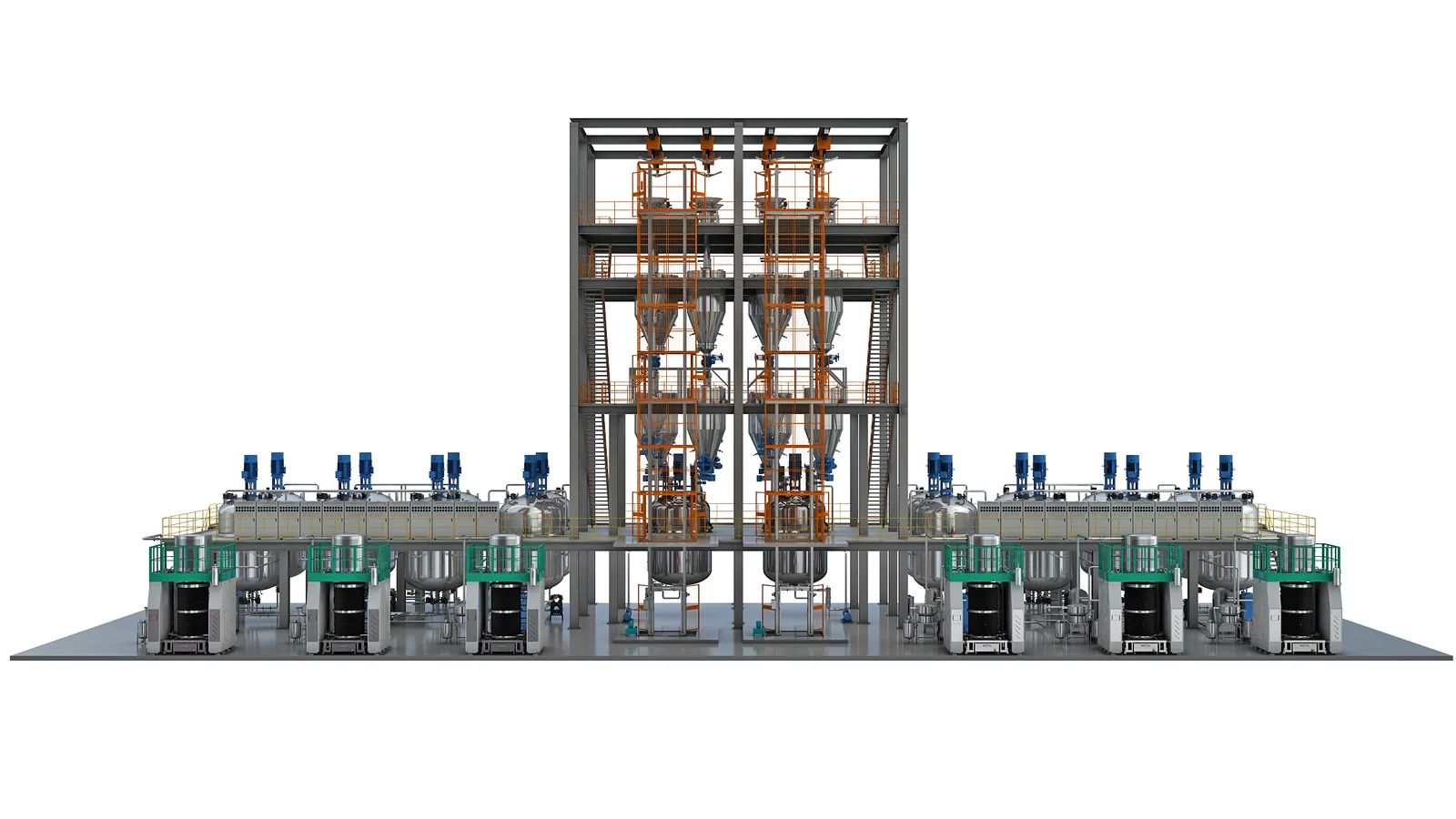
From subsidies to local content requirements and from BIS certification to EPR traceability for battery recycling, India is building a complete local manufacturing system. Simply shipping a mixer or a bead mill is becoming less rewarding. What is really needed is complete-line capability linking raw material handling, grinding and dispersion, slurry preparation and powder conveying, and process solutions that let local workers get up to speed quickly and consistently produce good product.
India's weaknesses are equally clear: a weak base for manufacturing front-end equipment, a shortage of process talent and uneven infrastructure in power, utilities and logistics. These weaknesses are exactly the strengths that Chinese intelligent equipment companies have built over twenty years.
5. Exporting intelligent equipment is a long-distance race
The opportunity is clear, but the Indian market has never been easy mode.
Foreign investment screening remains: FDI from land-bordering countries goes through the government route, with uncertain approval times. State policies vary widely; Gujarat, Tamil Nadu and Maharashtra have strong industrial bases, but land, environmental and labour rules differ. BIS certification, battery EPR registration and local value-added calculations all require homework in advance.
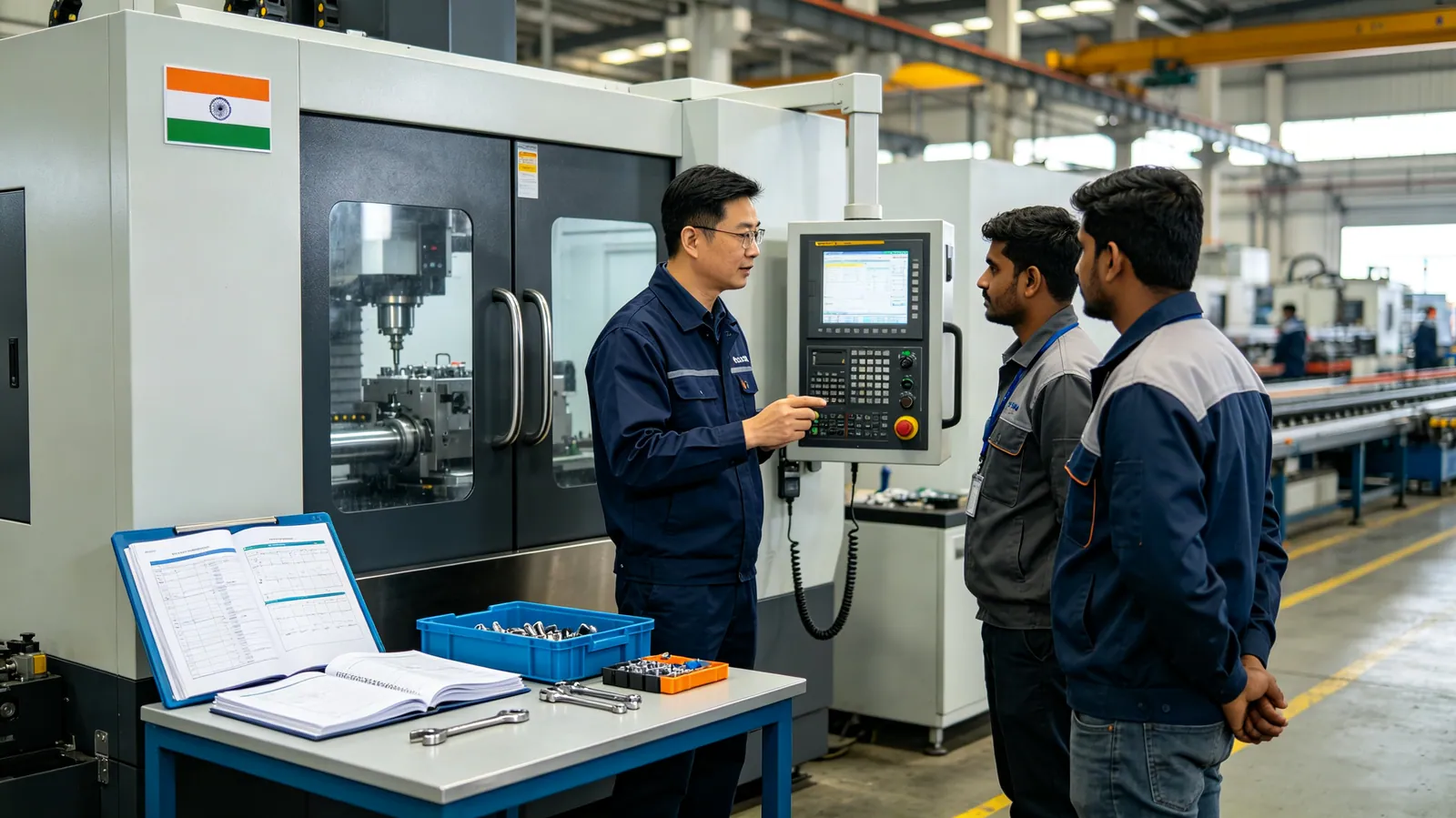
Another easily overlooked issue is people. Once equipment is sold, who installs it, who commissions it and who trains local workers? Visas are somewhat easier, but long-term on-site postings for technical staff remain difficult. This is a marathon: preparing training manuals, O&M systems and spare-parts plans in advance matters more than quoting the price of one more machine.
6. Future cooperation: from selling equipment to building production line capability
The BRICS summit brings not only easier visas and flights but an opportunity to redefine the cooperation model.
In the past, equipment trade between China and India was mostly one-way: ship and collect payment. But the real bottlenecks in India's new energy localization mean the most valuable future cooperation will be deeper: material companies building plants in India and equipment companies supplying production lines, from grinding and dispersion to powder conveying and from dust collection to closed-loop MES data, translating China's mature process capability into lines that Indian factories can run reliably every day.
This requires engineered delivery, Chinese process engineers training local Indian teams, and building BIS certification, EPR traceability and carbon footprint requirements into line design from the outset. Whoever helps India run its material lines reliably will hold a key link in new energy localization.
The BRICS summit has opened a window, but it will not stay open forever, nor will it turn into orders automatically.
Those who truly seize this opportunity will not be the fastest movers but the best prepared, those who put compliance structures in place first, plan localized service early and treat keeping production lines running reliably in a foreign country as a basic skill.
The window is opening. The question is: are you ready?