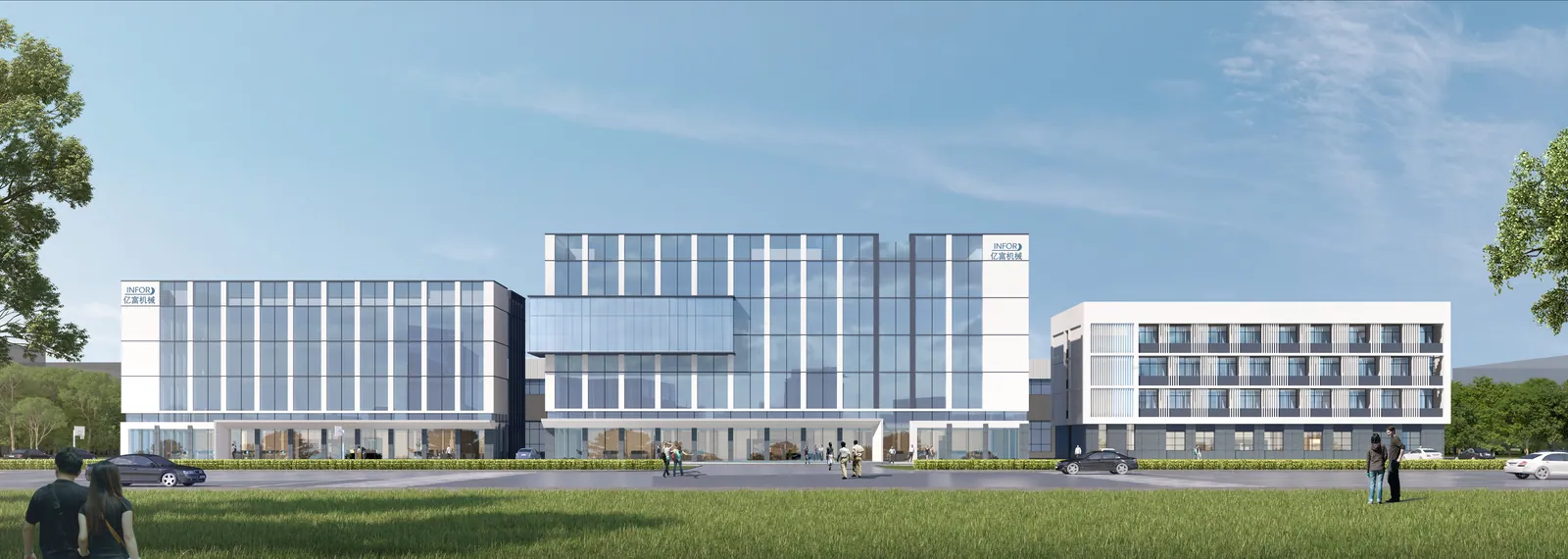
In recent years the wave of new energy companies going abroad has surged, with opportunity and bubbles side by side. INFOR's internationalization has never chased trends, it takes root. We avoid opportunism and treat every overseas market as a base for long-term commitment, proving what "solid" means through real project delivery.
Starting today, INFOR Intelligent will introduce the overseas countries where we have worked deeply and achieved real results, breaking down each market's fundamentals and industrial characteristics. This is not a sightseeing travelogue but hands-on experience earned through real investment and delivered projects.
We begin with our most successful overseas market, South Korea.
1. Overview: about the size of Jiangsu, with half the population in the capital region
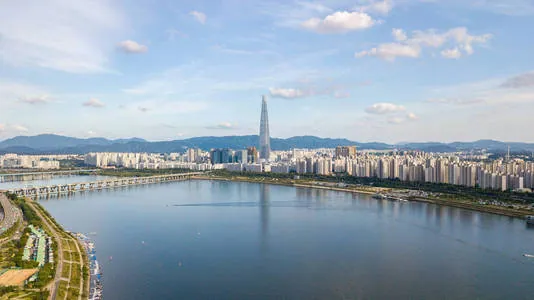
First, geography. South Korea lies in the southern part of the Korean Peninsula in East Asia, surrounded by sea on three sides and bordered by North Korea along the 38th parallel. Its land area of about 103,000 square kilometres is roughly the same as China's Jiangsu Province. Small as it is, Korea carries great weight in the global economy and supply chains.
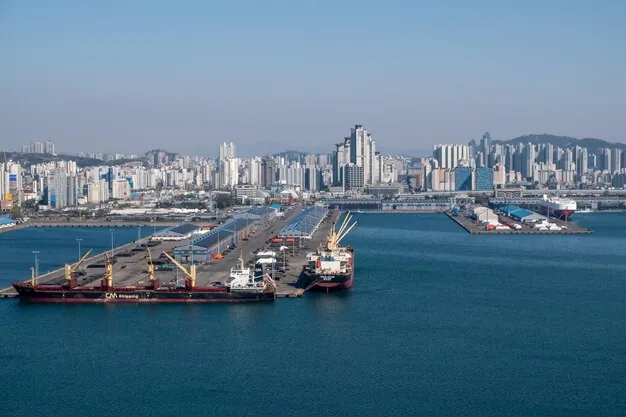
Korea's population of about 51.1 million is ethnically homogeneous and highly concentrated: the capital region of Seoul, Gyeonggi and Incheon holds nearly half the national population. This concentrates consumer markets, talent and business opportunities, but also creates intense competition.
Korea's fertility rate is the lowest in the world, and it has become a deeply ageing society. The young workforce shrinks every year and labour shortages are becoming severe. As a result, competition in Korea, from getting a job to winning promotion, is extremely fierce. Young people fight to join large companies, while companies race to replace labour with automation and intelligent systems. This competitive culture deeply shapes Korean business logic: efficiency above all, quality is king.
2. Economy: chaebol-led high-end manufacturing, technology-driven and import-dependent for resources
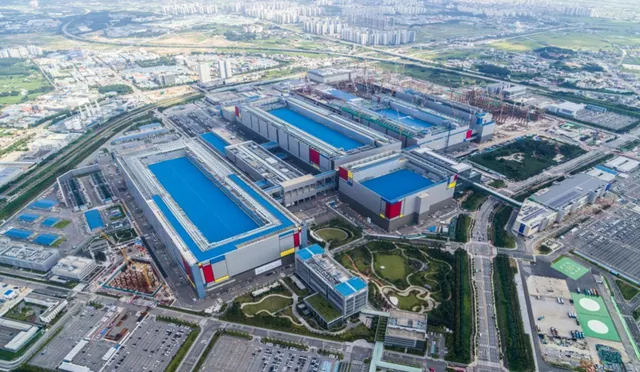
In 2025 Korea's nominal GDP was about USD 1.85 trillion, with per capita GDP of USD 36,000, clearly a developed high-end manufacturing country, ranking among the world's top ten economies.
But the character of Korea's economy is unusual. It is a classic chaebol-led economy: groups such as Samsung, SK, Hyundai and LG cover almost every industry from semiconductors to cars and from chemicals to electronics. The advantage is concentrated resources and strong capacity for breakthroughs; the downside is limited room for small and medium enterprises and supply chains highly dependent on large companies.
Korea has few domestic mineral resources and imports nearly all of its oil, coal, iron ore, lithium and nickel. It follows a path of importing, refining and exporting, relying on technology exports and high-end manufacturing to compete globally.
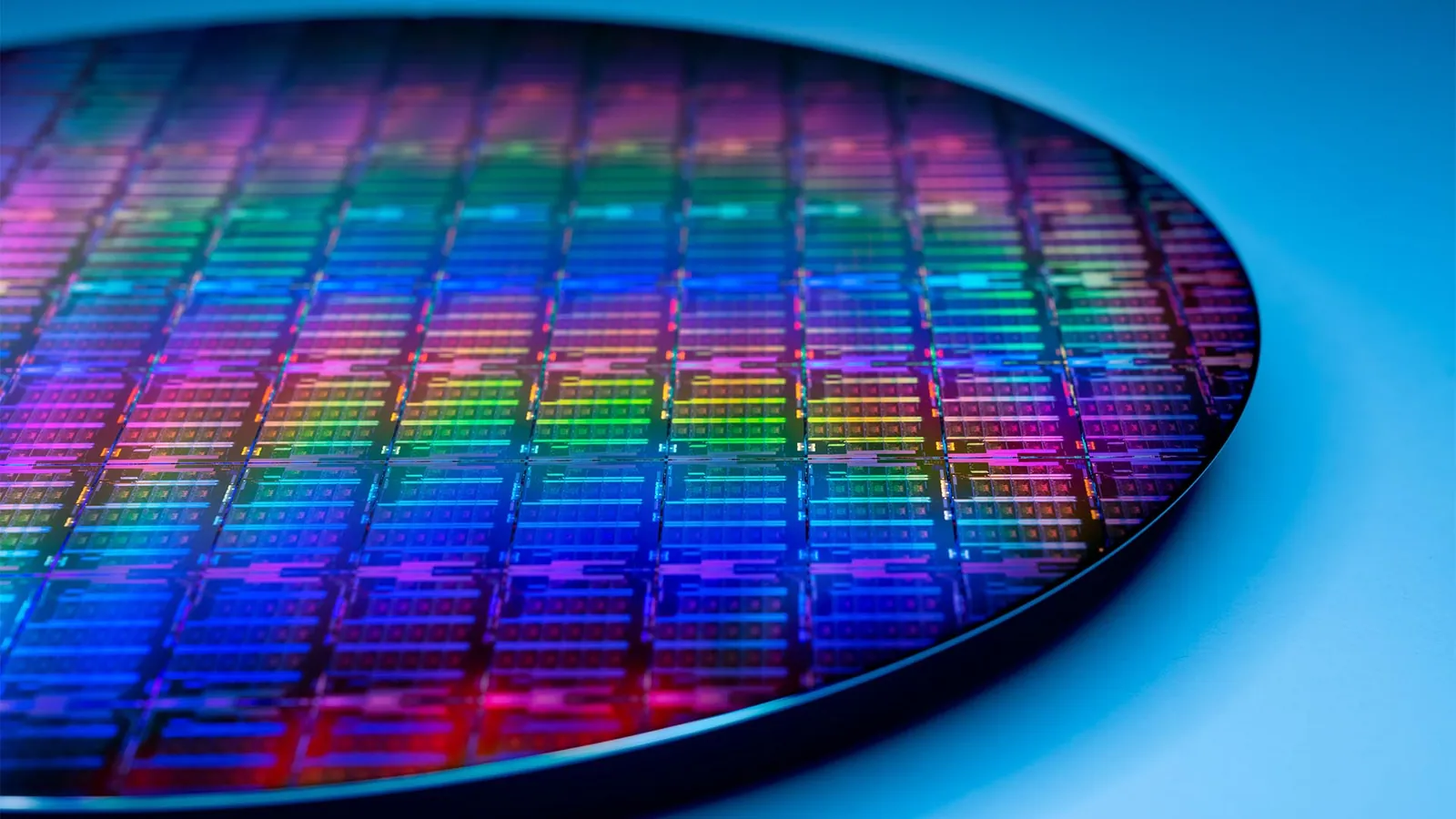
Korea's core pillar industries are well known: semiconductors (the global leader in memory), vehicles (Hyundai Kia), lithium batteries (three of the world's top battery makers), displays (Samsung and LG leading in OLED) and fine chemicals (semiconductor and battery materials). They share the same traits: technology-intensive, capital-intensive and globally competitive.
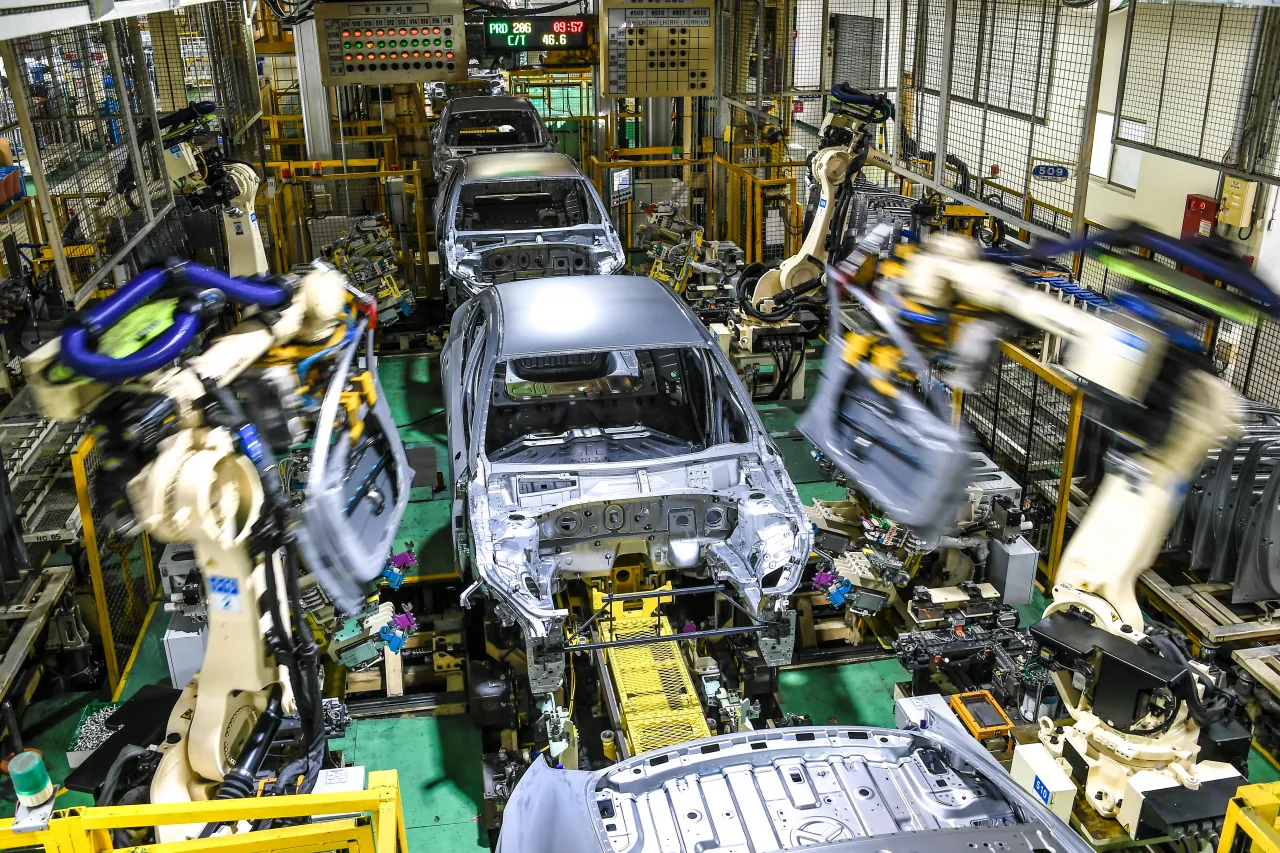
Korea's supply chains are generally high-end, refined and standardized. Korean companies place enormous weight on process stability and quality consistency: of 100 products, every one must be identical within a very narrow tolerance. This quality control is the foundation of Korean manufacturing and directly shapes how they choose equipment suppliers, stability above everything.
Korea also invests generously in R&D. In new materials, ultrafine powders and electrochemistry, major groups and national research institutes invest heavily, and in next-generation battery technologies such as solid-state batteries, high-nickel NCM and silicon-carbon anodes, Korean companies are in some cases ahead of leading Chinese firms. That is why we have always treated Korea as a key region for overseas technical benchmarking and market expansion.
3. Culture: punctuality, clear hierarchy and a deep commitment to contracts
Without understanding Korean culture, business there simply will not move forward.
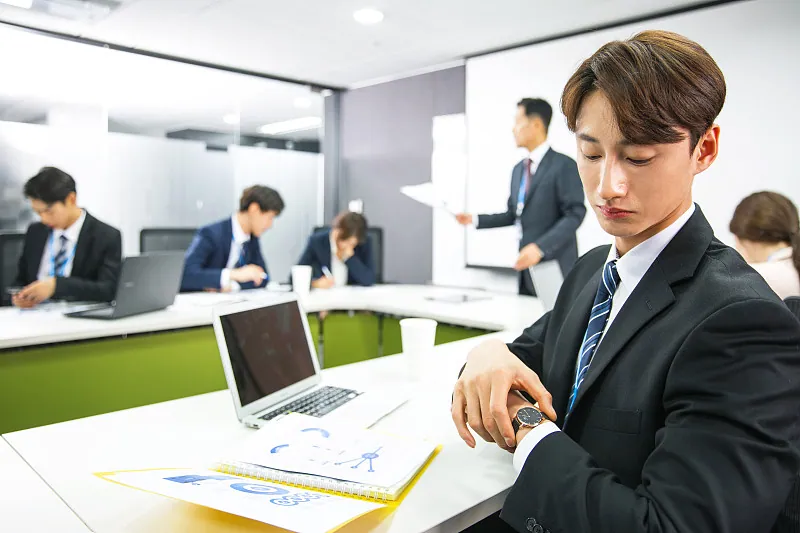
First, life in Korea is fast-paced and people are extremely punctual. Being late for a business meeting is a serious mistake; for a 10 a.m. meeting, arriving at 9:55 is basic respect. The Korean pursuit of efficiency shows in every detail of business.
Second, social hierarchy is pronounced. Seniority and order between senior and junior colleagues permeate life and work, from how to bow and present business cards to how to address people. If your counterpart is a department head and you send a deputy, they will see it as disrespect. Matching rank is a basic requirement and respecting hierarchy is essential.
Third, overtime culture is widespread: subordinates rarely leave before the boss. Business dinners are routine and often run several rounds, dinner, then drinks, then karaoke, with discussions lasting all evening. Whether you build trust at the table can determine whether business moves forward.
On the positive side, Koreans have a strong sense of contract and care deeply about reputation. Once trust is established they strongly prefer long-term, stable and reliable partnerships. Suppliers looking for quick, one-off deals do not survive a single cycle in Korea.
4. Doing business: rigorous validation and long decision chains, but a long-term partner once you win
From our years of experience in Korea, here are the main characteristics of doing business there:
First, strict hierarchy, matching rank is the baseline. Contacts must be at the corresponding level, and hierarchy etiquette applies to visits, negotiations and daily communication alike.
Second, extremely rigorous product validation with no compromise on price. Korean customers do not buy from whoever is cheapest but choose whoever is most stable. They insist on a three-stage process, sample testing, pilot line validation and mass production introduction, with strict checks at every stage. Equipment stability, particle size consistency and continuous production capability are the three key criteria; price comes later.
Third, a strong contract mindset with no give on legal terms. Koreans write IP ownership, confidentiality and quality compensation clauses watertight. They are not being difficult, risk control simply comes first, so suppliers need strong legal and compliance capability.
Fourth, long decision chains but very high repeat business once certified. Internal reporting is layered, from engineer to team leader to department head to senior management, and six months or more from first contact to contract is normal. But once you pass their certification and become an approved supplier, loyalty is very strong: no repeated price comparisons, no annual re-tendering, and customers come to you with new projects.
Fifth, pragmatic, rational technical communication where data speaks. Korean engineers trust only measured data and real line results. Flashy slides and exaggerated claims do not work; bring a machine, run it in front of them, and once the data is in, they will accept you.
5. Our core battlefield: Korea's lithium battery supply chain
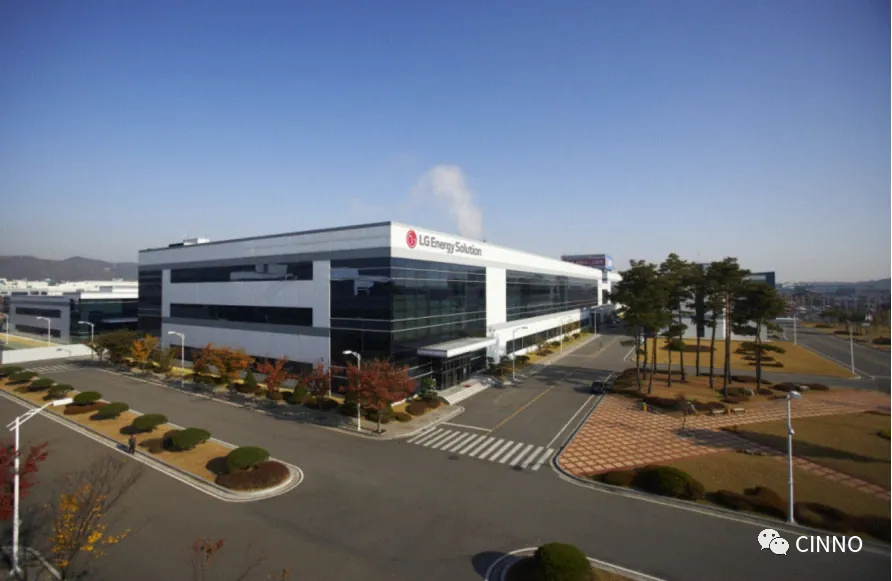
In Korea's battery industry, our core customers revolve around the big three: LG Energy Solution (LGES), Samsung SDI and SK On. All three are in the top tier of global power battery makers; their technology routes differ, but all set extremely demanding requirements for upstream materials and equipment.
Around these three giants Korea has also developed leading material companies, including LG Chem (cathode, separators, electrolyte), POSCO Future M (cathode precursors, anode materials), Ecopro and EcoPro BM (leaders in high-nickel cathode) and L&F (cathode materials). They cover cathode, anode, conductive agents and solid electrolytes, and are key customers for our ultrafine grinding equipment.
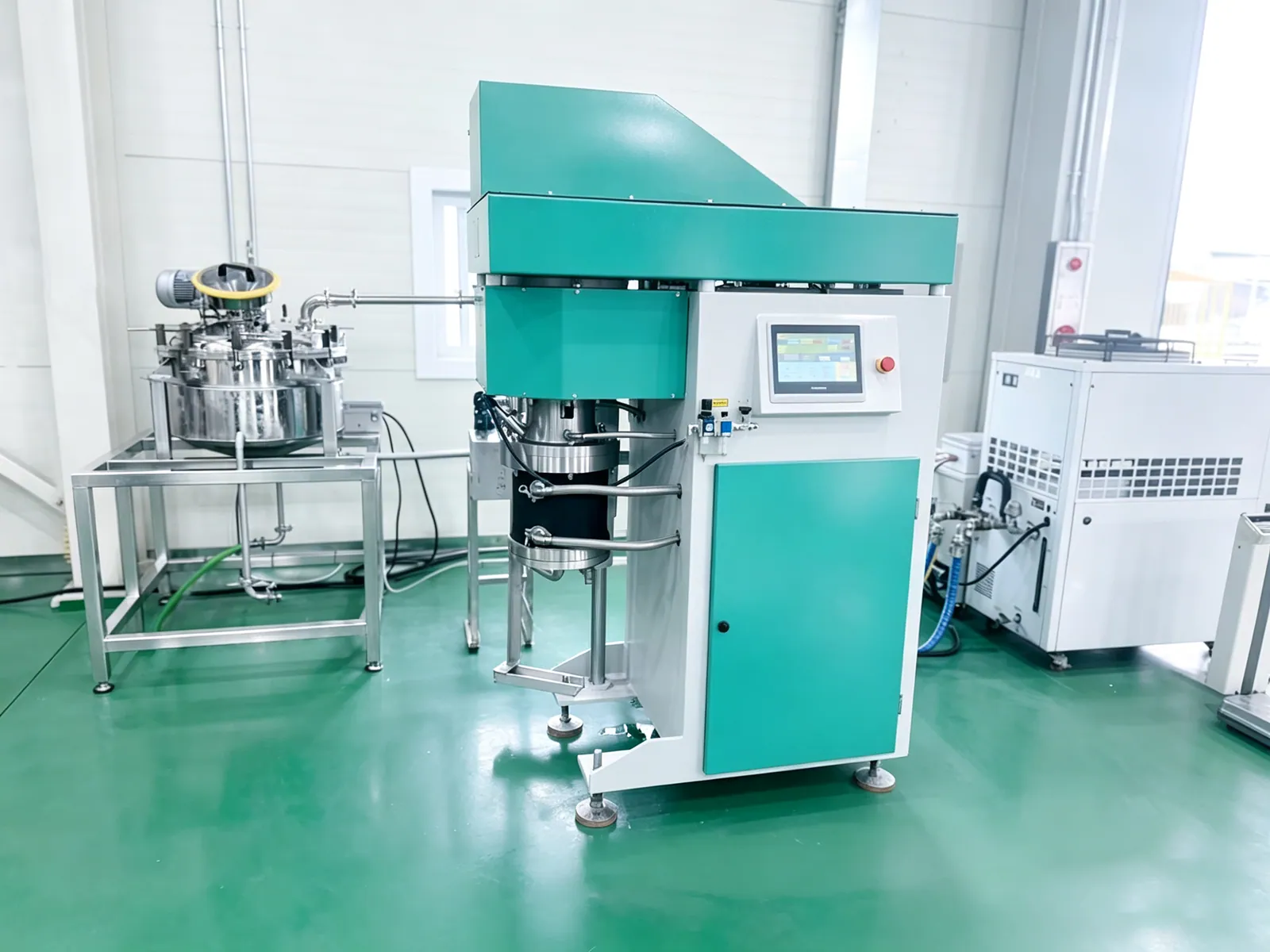
In Korea's battery material grinding equipment sector we have firmly established ourselves in the first tier. Our equipment has entered the supply chains of all the leading companies above, and in several key projects has replaced imported equipment, breaking years of dominance by European and Japanese suppliers.
6. Results: Korea's first 60,000-tonne LFP project, equipped entirely with our machines
Here is good news, and our most impressive result in the Korean market:
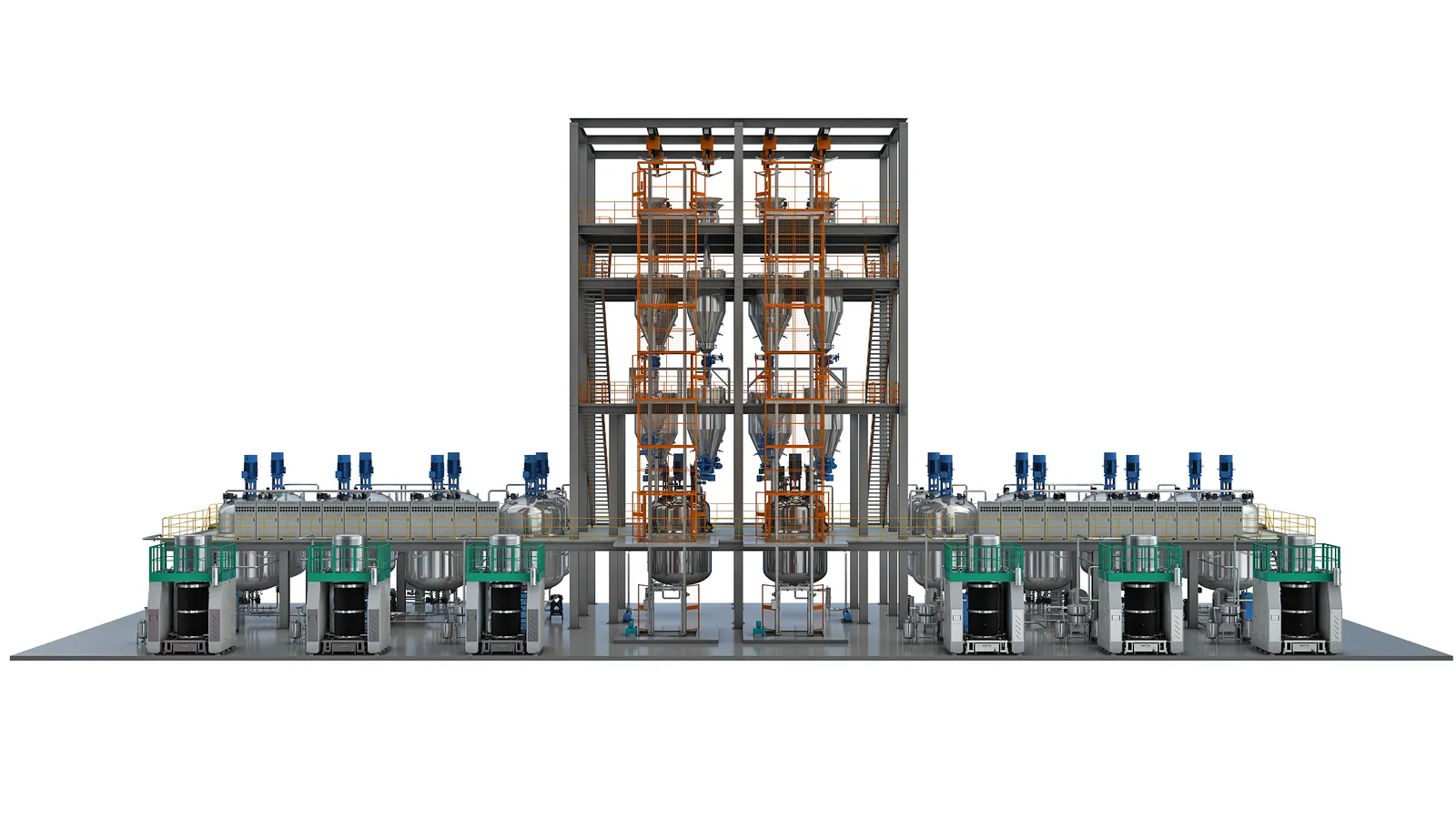
Korea's first 60,000-tonne lithium iron phosphate (LFP) cathode material project uses our bead mills across the entire line. Phase one has been fully installed and is running stably, with all indicators meeting or exceeding customer expectations. Equipment for phase two will ship soon!
This project is highly significant. Previously, Korean LFP projects tended to choose established European or Japanese equipment for grinding. This time, with better particle size control, higher continuous operating rates and more complete local service, we won the entire order, not a breakthrough of one or two machines but full recognition of a whole production line.
Behind it lie months of on-site commissioning by our technical team, the commitment of our service engineers to respond whenever called, and our strategic patience in building the Korean market for the long term, aiming for stability, not speed.
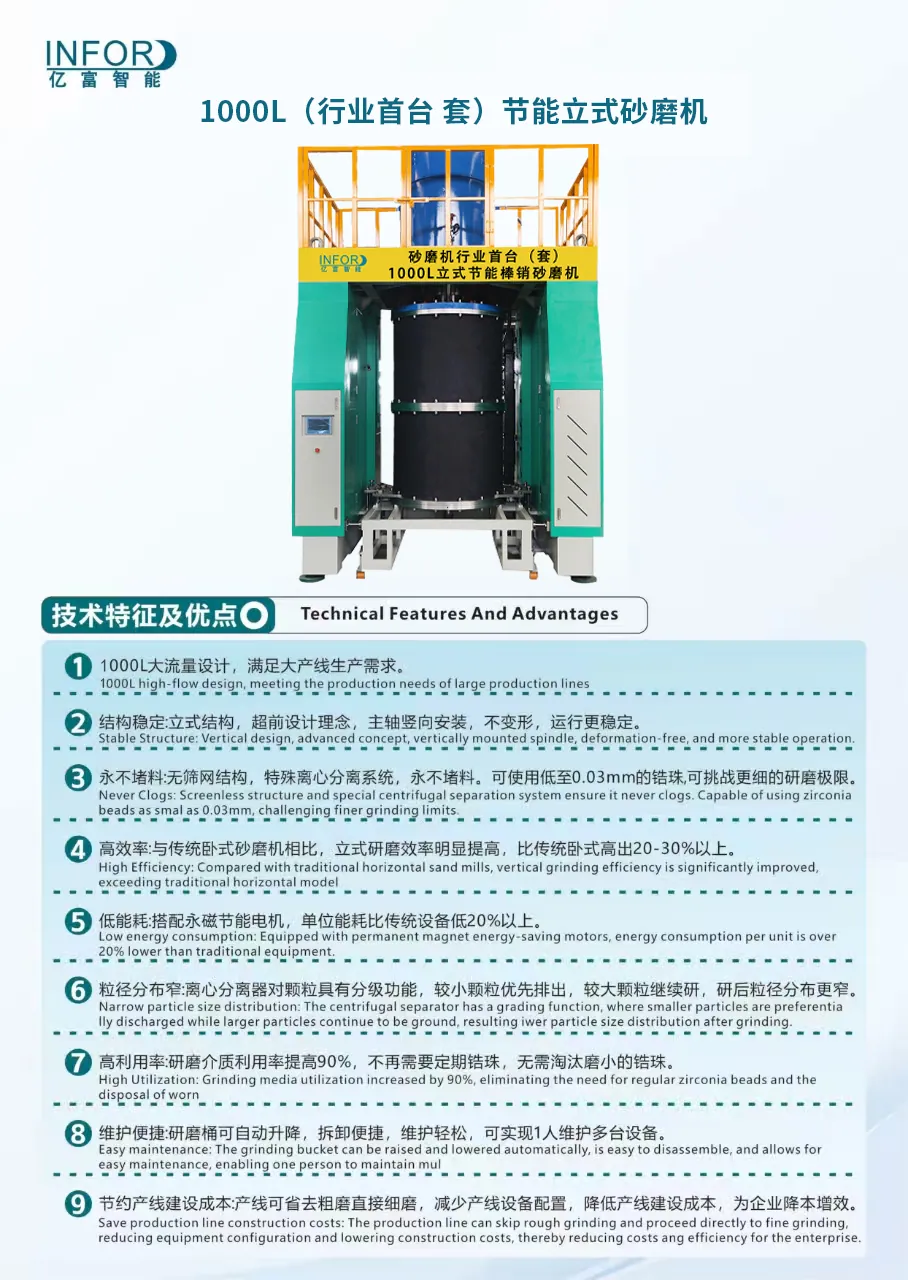
7. Event invitation: Asia Materials Cooperation Forum, Seoul, September
Finally, an invitation to an industry event:
On 3-4 September we will co-host the Asia Materials Cooperation Forum in Seoul with SMM (Shanghai Metals Market), focusing on new energy materials, battery technology and overseas supply chain cooperation.
We will invite key representatives of leading Korean battery and material companies, together with outstanding upstream and downstream companies from China. It is a window on the latest Korean market developments and an excellent platform to connect directly with overseas customers and find cooperation opportunities.
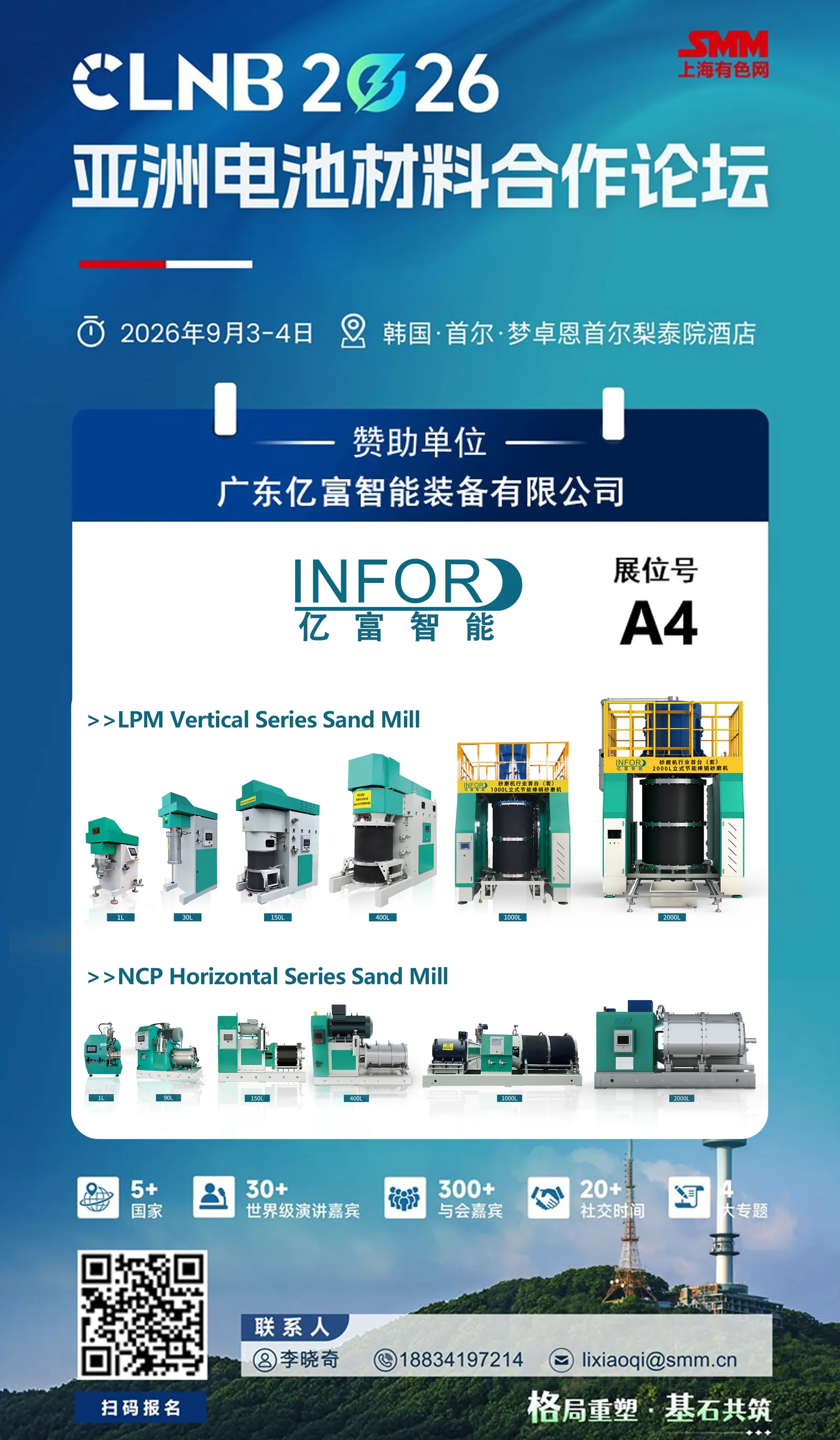
We warmly invite colleagues in the new energy industry to join us in Seoul to discuss industry trends and connect with overseas resources. See you in Seoul!