If the Middle East is the new continent of new energy, the UAE is its brightest lighthouse. It hosts the world's largest integrated solar-plus-storage project and is the crown jewel that overseas battery and storage companies compete for. Understand the UAE and you understand the pulse of the Middle East's high-end clean energy market.
1. Geography: twin engines in the desert
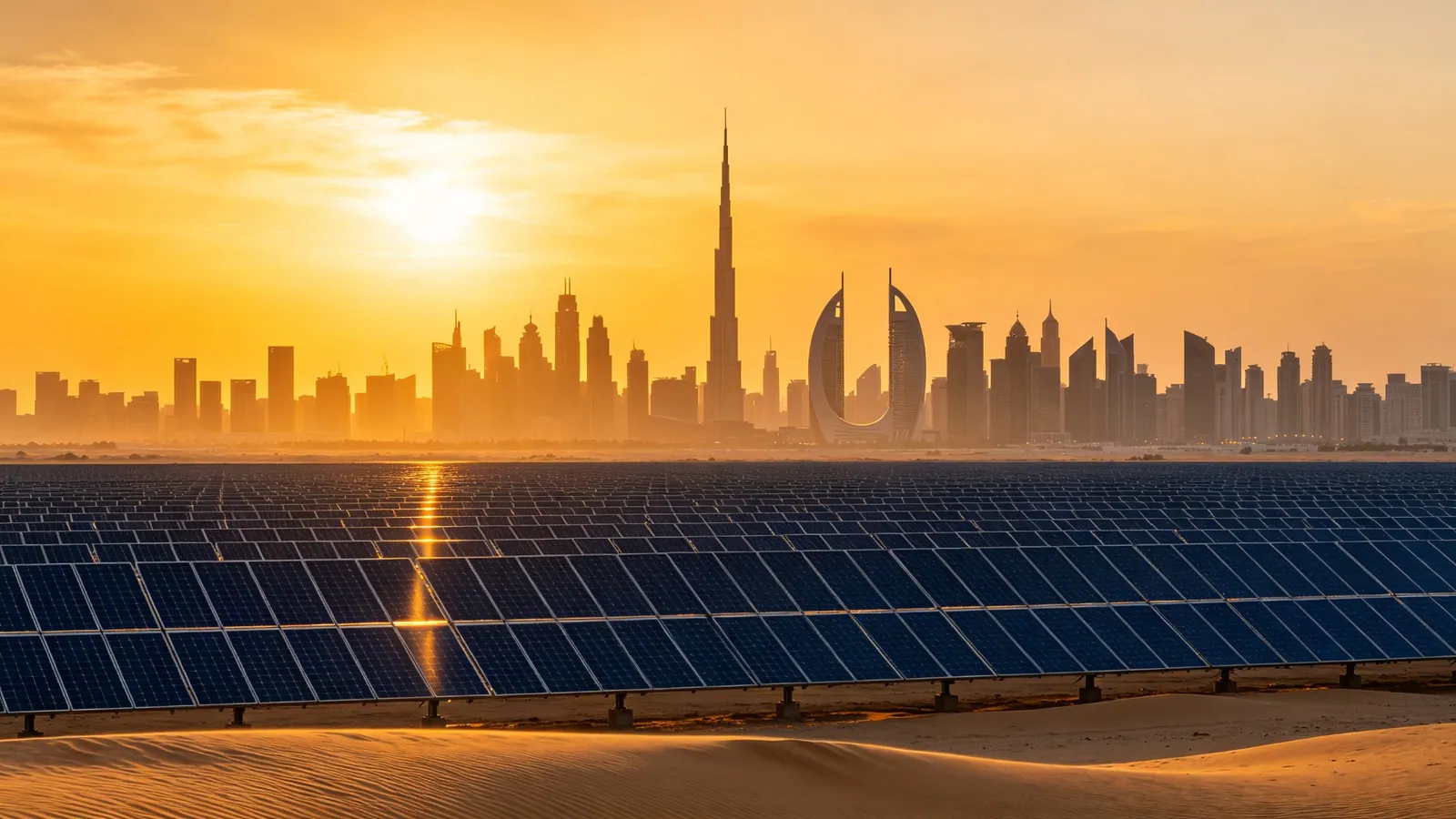
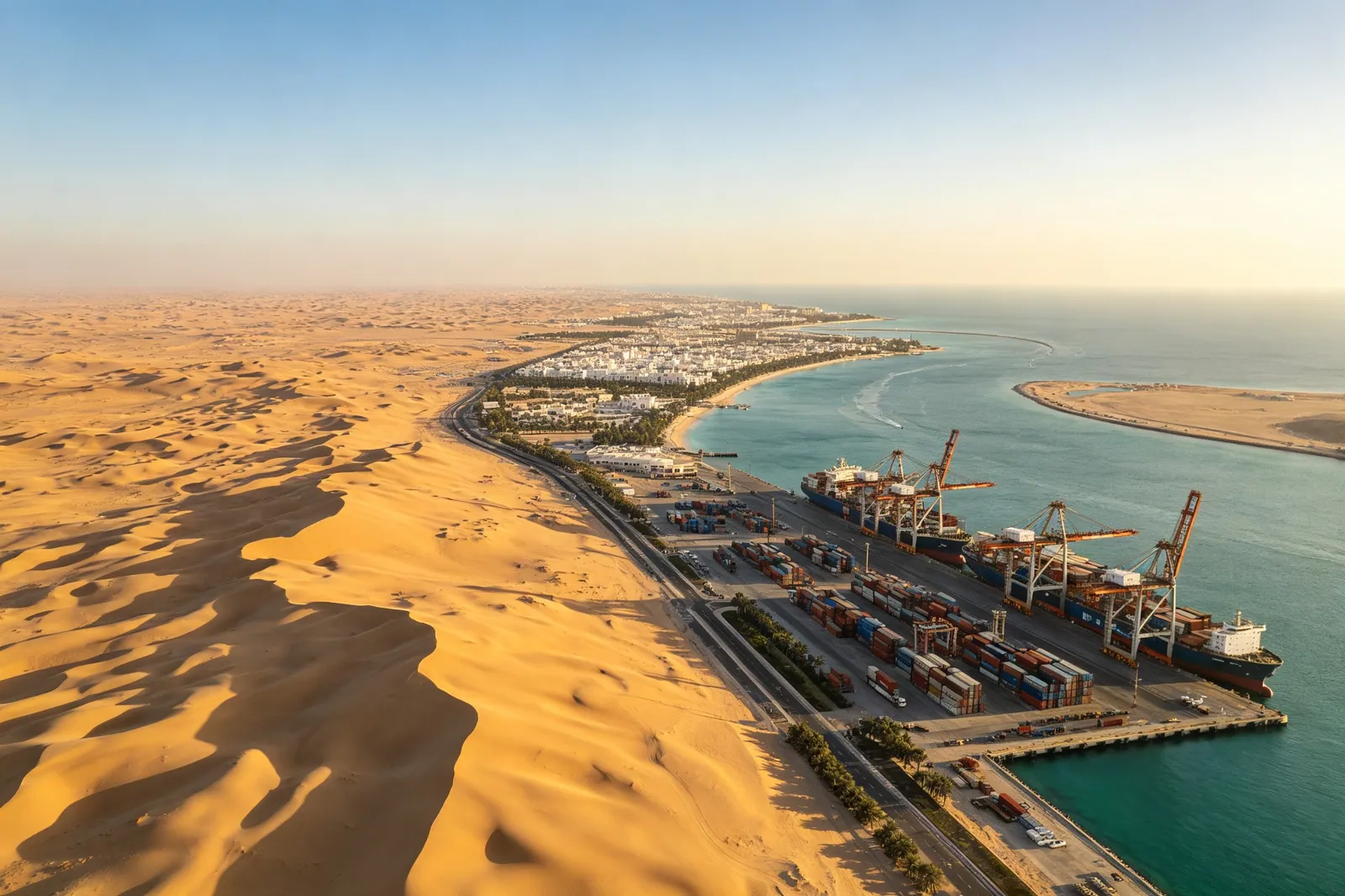
The UAE lies in the east of the Arabian Peninsula on the southern shore of the Persian Gulf and consists of seven emirates including Abu Dhabi and Dubai. A long coastline and advanced port logistics make it a natural crossroads of East-West trade. With a typical desert climate, its solar resource is exceptional, with more than 3,000 hours of effective sunshine a year, an ideal natural foundation for solar-plus-storage projects.
Even more notable is its internal division of roles. Abu Dhabi and Dubai form two very different engines: Abu Dhabi holds most of the country's oil and gas wealth and leans toward large energy investments and national infrastructure, while Dubai, with its free and open business environment, focuses on trade, exhibitions, distribution and city-level storage applications. The two complement each other and together support a complete new energy ecosystem.
2. People: more international than you might imagine
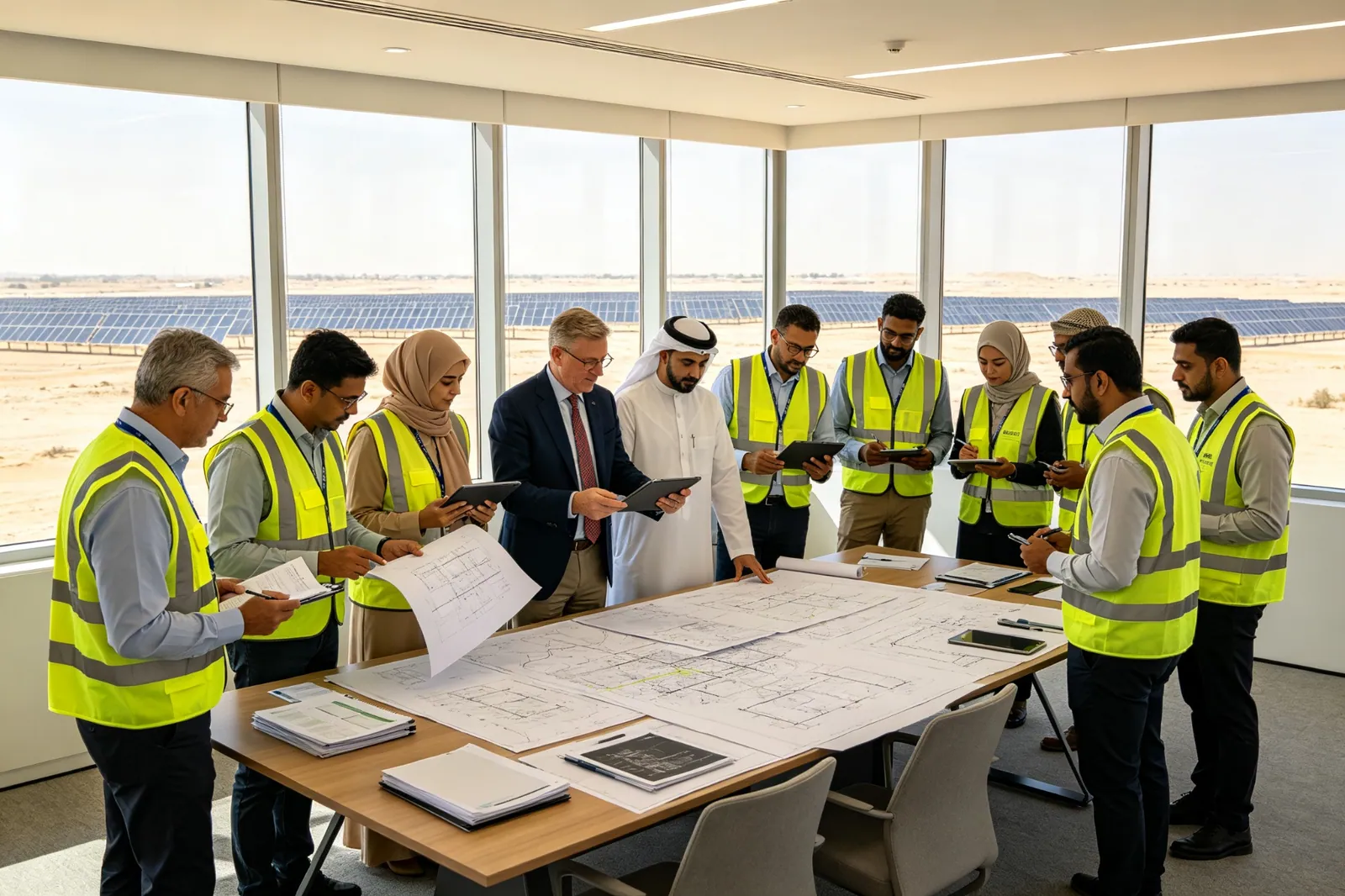
The UAE has a population of about 10.67 million, but citizens make up less than 10%; the rest are expatriates. This means everything from project planning to technical execution is led by international professional teams, Western consultants, Chinese engineers and Indian technicians working side by side, with strong talent mobility and knowledge spillover. This open talent structure aligns bid evaluation, technical standards and management processes directly with international practice, lowering communication costs for foreign companies but demanding world-class delivery.
3. Economy: money is not the problem, how to spend it is
In 2025 the UAE's nominal GDP was about USD 570 billion, firmly in the high-income group. Large fiscal reserves provide steady funding for the energy transition. The government has set the goal of building a Middle East clean energy hub, and GW-scale solar-storage projects are well funded and not judged on short-term returns alone, global demonstration value matters more. A successful benchmark project can influence the whole Middle East, North Africa and even South Asia, which is what makes the UAE market so attractive.
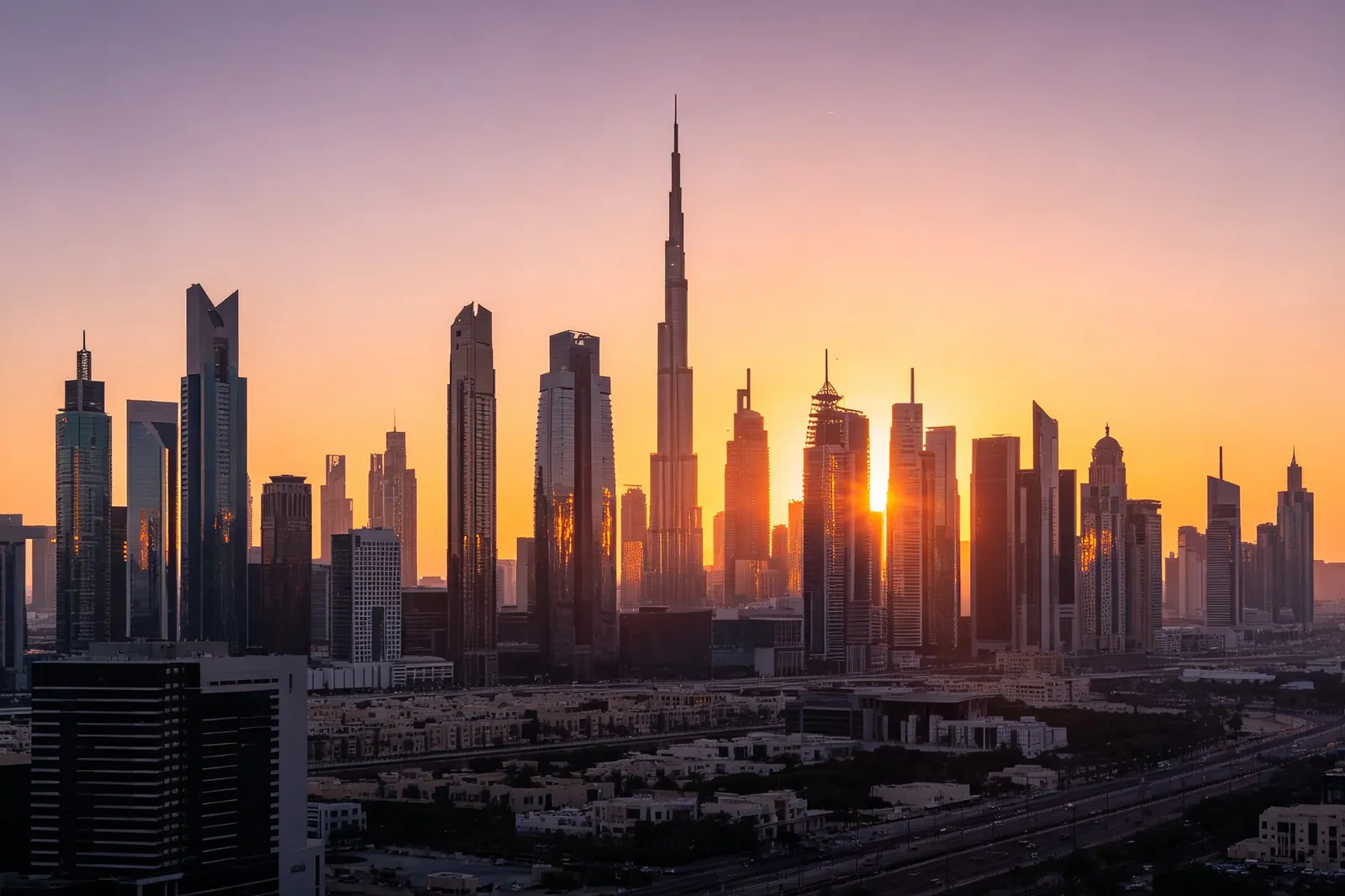
4. Industry logic: capital-driven, integration first, no attempt to do everything
Unlike other resource-based countries, the UAE's strategy is clear: rather than building a full mining-to-metals chain, it concentrates on clean energy investment, large EPC contracts, system integration and regional trade.
· Core advantages: ample capital, forward-looking policy and full alignment with international standards. Giants such as Masdar (Abu Dhabi Future Energy Company) have led several world-class projects, such as the 19 GWh round-the-clock (RTC) renewable energy storage megaproject that stunned the industry, not just a record number but an extreme test of storage system safety, efficiency and lifetime.
· Local supply direction: the UAE is developing storage assembly, battery recycling and hydrogen supply, creating clear entry opportunities for high-end storage equipment, powder grinding equipment and battery recycling lines.
· Natural weaknesses: no lithium, nickel or cobalt, so cells and cathode and anode materials are almost all imported. Local manufacturing focuses on system integration and turnkey solutions, so this is not a battlefield for material price wars but an arena for technical solutions plus safe operation and maintenance.
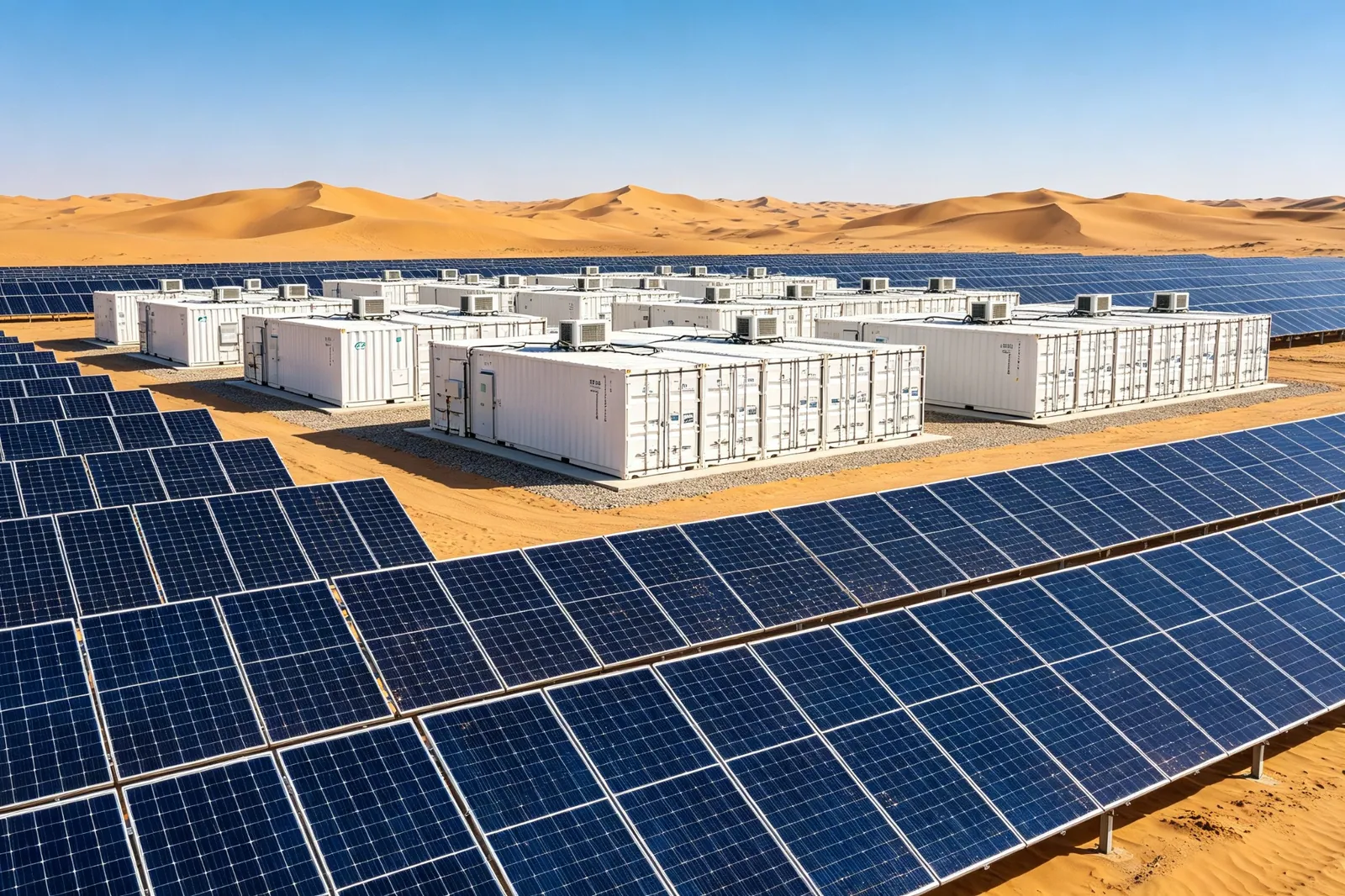
5. Business culture: transparent rules but very high barriers
The UAE's business style is highly international, especially in Dubai and Abu Dhabi, with mature rules and standardized processes. Unlike Southeast Asian markets that rely on personal networks, large energy projects here are evaluated by international bid teams, and global references at the same scale, safe operating records and international certifications weigh far more than low prices.
Specifically, companies going abroad must clear these hard barriers:
1. Certification and grid access: grid connection testing by utilities such as DEWA (Dubai Electricity and Water Authority) and EtihadWE is very strict, and ECAS conformity certification and battery safety certification are indispensable entry tickets for bidding.
2. Segmented markets with different approaches: Abu Dhabi is the main arena for utility-scale storage, typically starting at hundreds of MWh, while Dubai offers more opportunities in C&I storage, residential storage and channel distribution, suited to flexible small and medium solutions.
3. Rigorous contracts and long-term commitment: UAE customers are financially strong, but contract terms, especially performance guarantees, warranties and insurance, are very detailed, and large projects generally prefer bundled equipment plus long-term O&M, so suppliers need full lifecycle service capability.
4. Exhibitions and forums are the core battlefield: top Middle East new energy events such as WFES bring together regional EPC contractors, plant owners and investors, the most efficient way to build trust and generate leads, far more effective than cold visits.
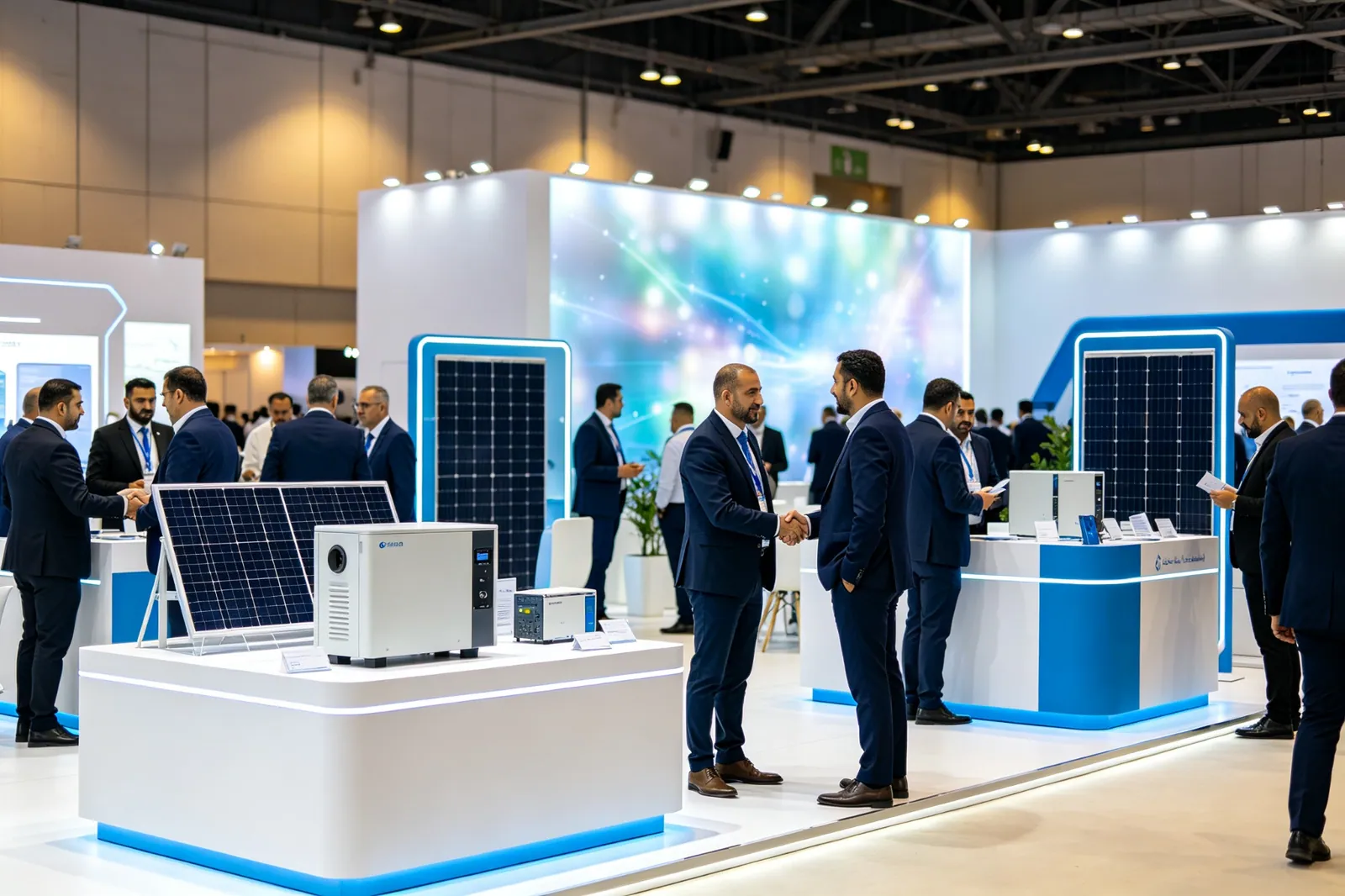
6. Player map: local giants and global elites on the same stage
· Local energy giants: Masdar, DEWA, AMEA Power and local battery recycling pioneer Dubatt are the main project owners and industrial partners.
· Chinese leaders: BYD, CATL, Sungrow, JinkoSolar and JA Solar are firmly established and hold significant shares in many projects.
· Top international competitors: LG Energy Solution, Samsung SDI, Tesla and Saft are also competing, with technology, safety records and delivery reliability as the decisive factors.
The 19 GWh RTC project acts like a giant magnet, continually attracting attention from upstream and downstream companies in storage systems, powder materials, thermal management and BMS, and releasing long-tail demand.
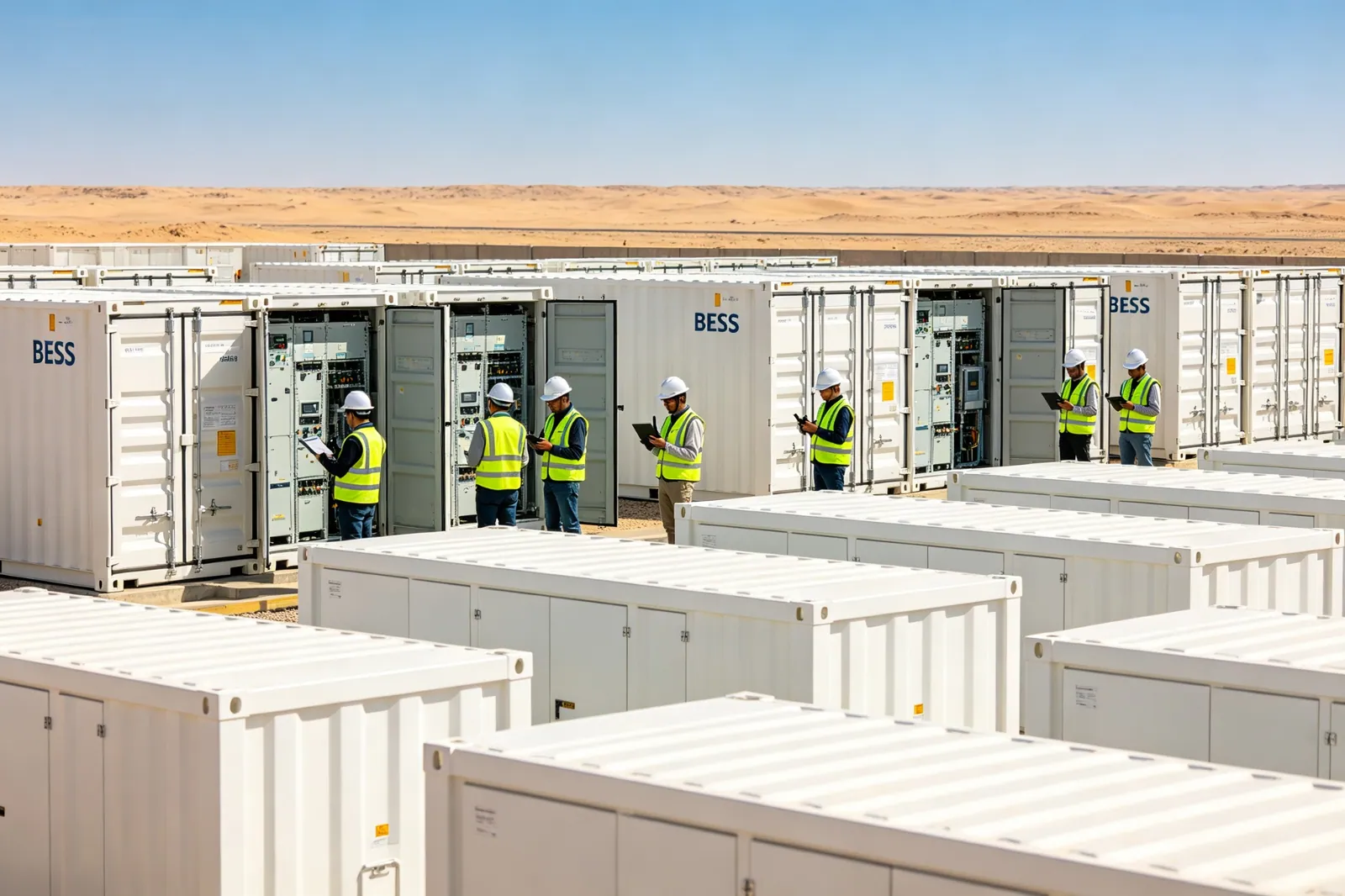
7. Our experience and outlook
We are proud that INFOR has successfully delivered real projects in the UAE, proof of our technical strength and of our commitment to the Middle East. We will soon return to the UAE to visit project sites and the front line of the industry and feel the latest pulse of this dynamic market.
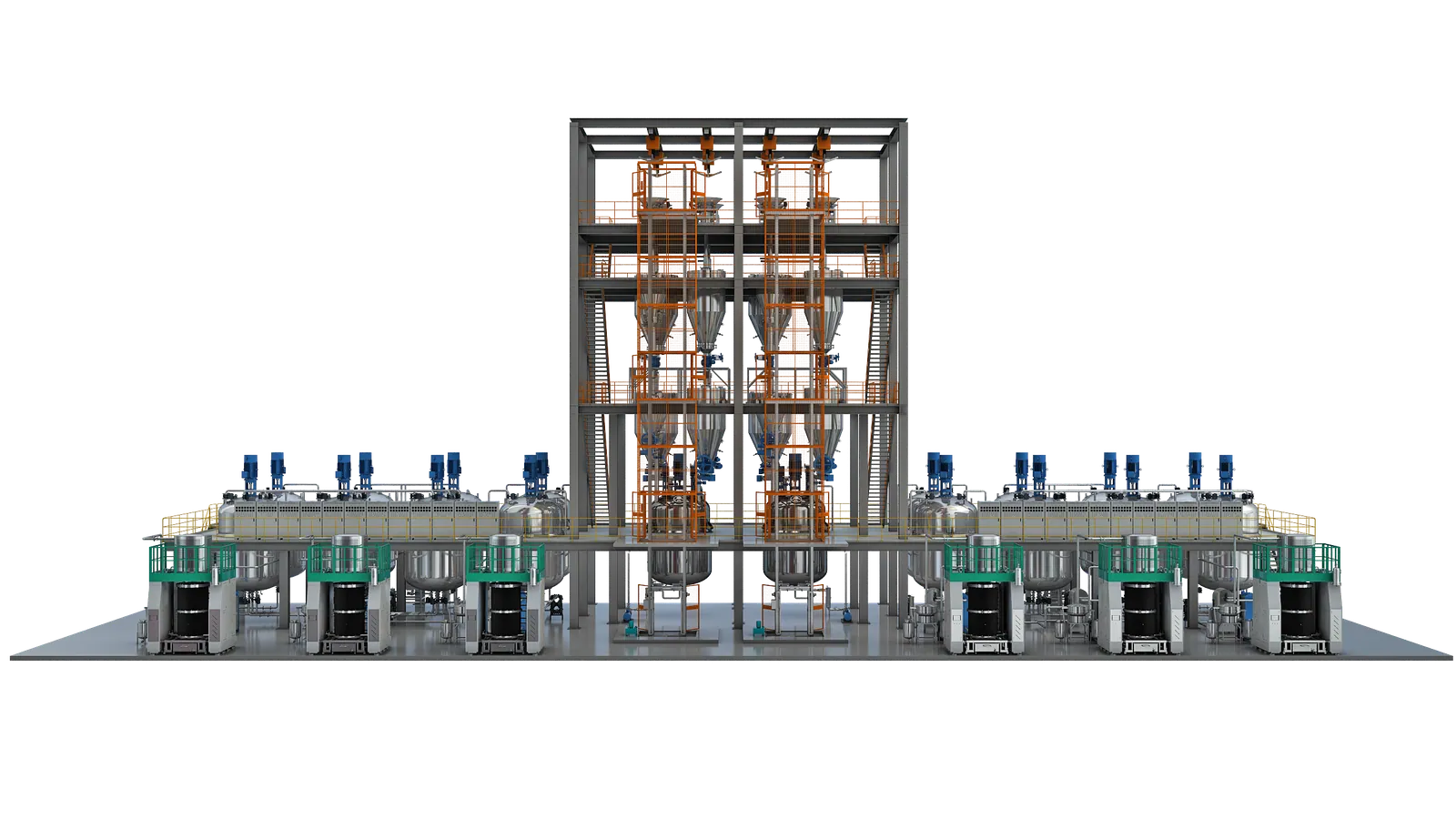
After many years in global new energy markets, we remain focused on industrial delivery and equipment exports in each country. Each market breakdown is not armchair theory but distilled field experience.
If you are also planning large-scale storage, powder grinding equipment or battery recycling in the Middle East, send us a message, perhaps together we can grow an oasis in the desert.