We have already looked at Korea's high-end barriers, Indonesia's resource-driven boom and the policy-driven giant market of the United States. Today we turn to the Middle East and a country being rediscovered by the global battery supply chain: Oman.
When people discuss Middle East new energy they tend to think first of Saudi Arabia's Vision 2030 or the UAE's Masdar City. But Oman is quietly rising as a new hub for battery materials and energy storage manufacturing through a distinctive path: its strategic position on the Strait of Hormuz, zero-tariff free zones and low-cost green power. Below we use our usual eight-part framework to give a full picture of the Omani market.
1. Geography: guarding an energy chokepoint, with two industrial enclaves
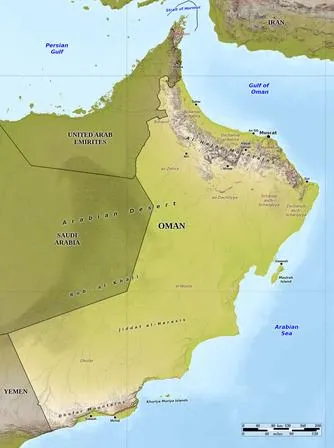
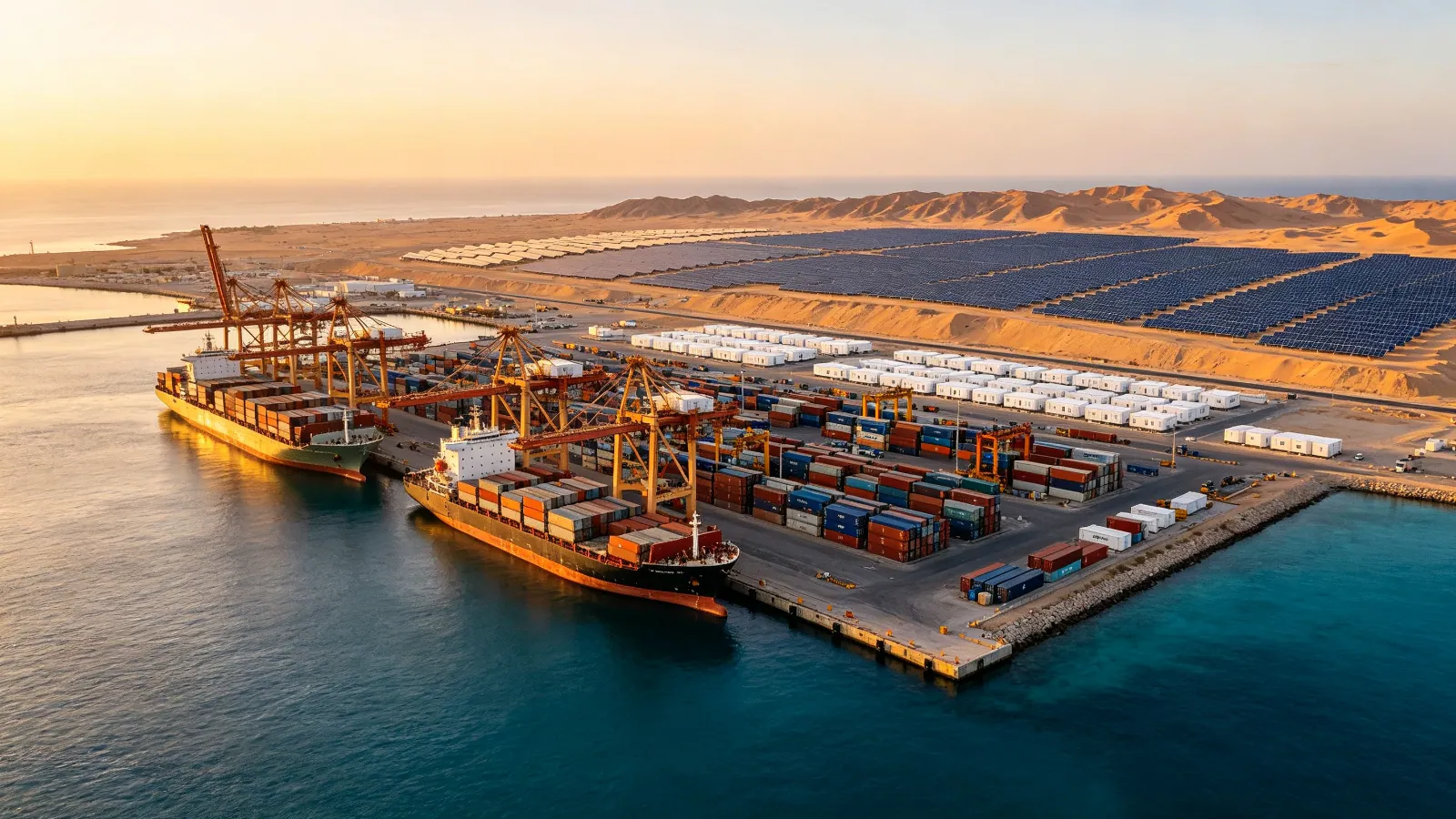
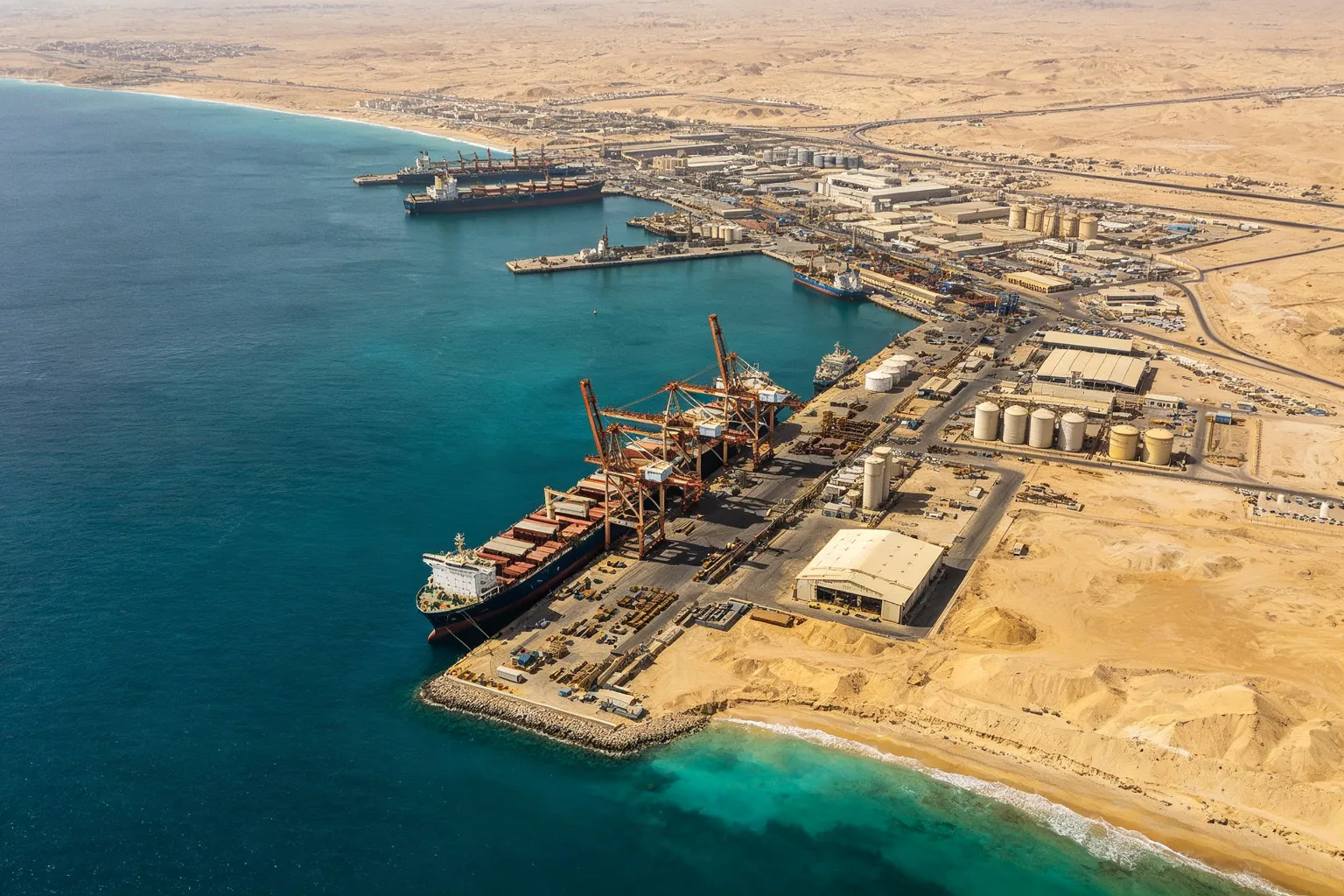
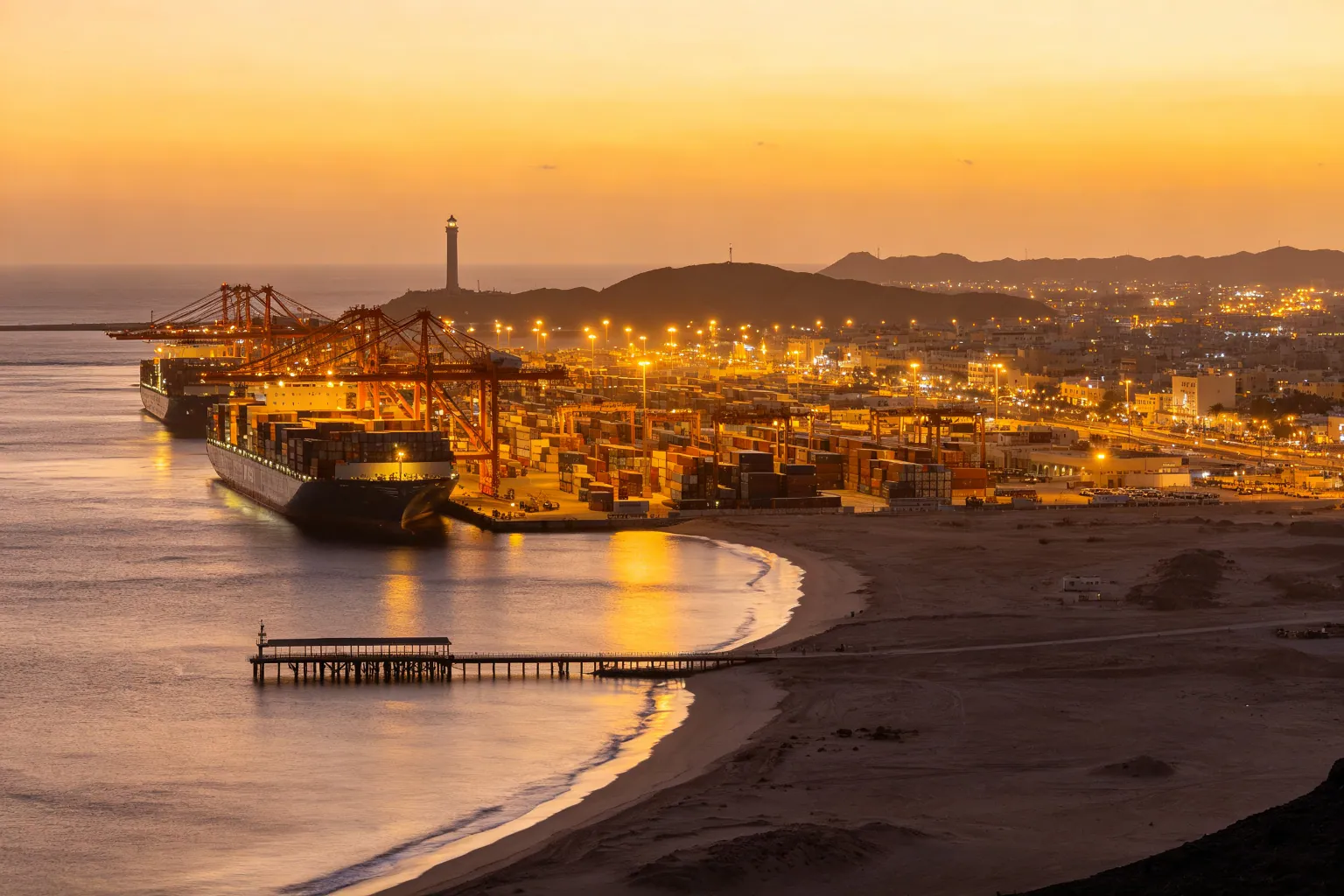
Oman lies at the south-eastern tip of the Arabian Peninsula, facing the Gulf of Oman to the north and the Arabian Sea to the east. Its northern Musandam exclave overlooks the world's busiest oil shipping route, the Strait of Hormuz, giving it obvious strategic shipping value. Its land area is about 309,500 square kilometres, mostly tropical desert, but the coast has two deep-water ports, Sohar and Duqm. The Sohar Free Zone and Duqm Special Economic Zone already provide complete industrial land, power grids and desalination infrastructure, giving heavy industry plug-and-play conditions.
2. Population: an international workforce and reliance on outside expertise
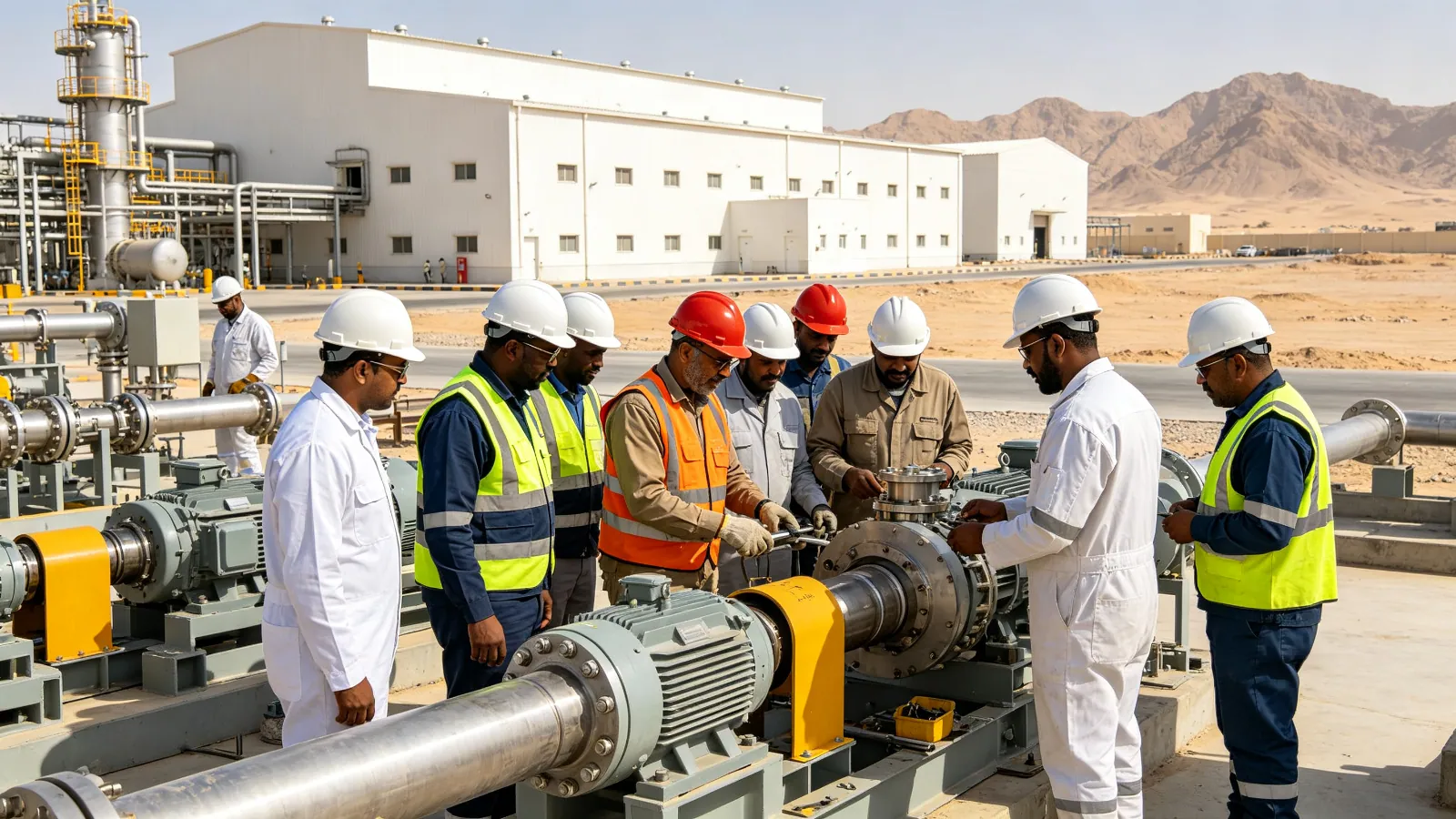
Oman has a population of about 5.36 million, of whom foreign workers make up as much as 43%, mainly from India, Pakistan, Bangladesh and Southeast Asia. Islam is the main religion and society is stable. The population is concentrated along the Muscat-Sohar-Duqm coastal industrial corridor, and the supply of young local workers is limited, so large new energy projects generally use international management teams with multinational workforces. For Chinese equipment exporters, the ability to coordinate installation, commissioning and after-sales service across countries is itself a hidden competitive advantage.
3. Economy: high income and ample funds for transformation
In 2025 Oman's nominal GDP was about USD 86 billion, with per capita GDP among the higher in the Gulf, and the World Bank classes it as a high-income non-OECD economy. Public finances have long relied on oil and gas (crude oil and natural gas account for about 60% of exports), but oil price volatility has pushed the country to accelerate reform. Oman Vision 2040 makes renewable energy, green manufacturing and logistics its three strategic pillars, and the government has allocated dedicated budgets for solar, wind and grid-scale storage. Projects backed by sovereign funds or multilateral lenders mean strong ability to pay and far more certain collections than in most emerging markets.
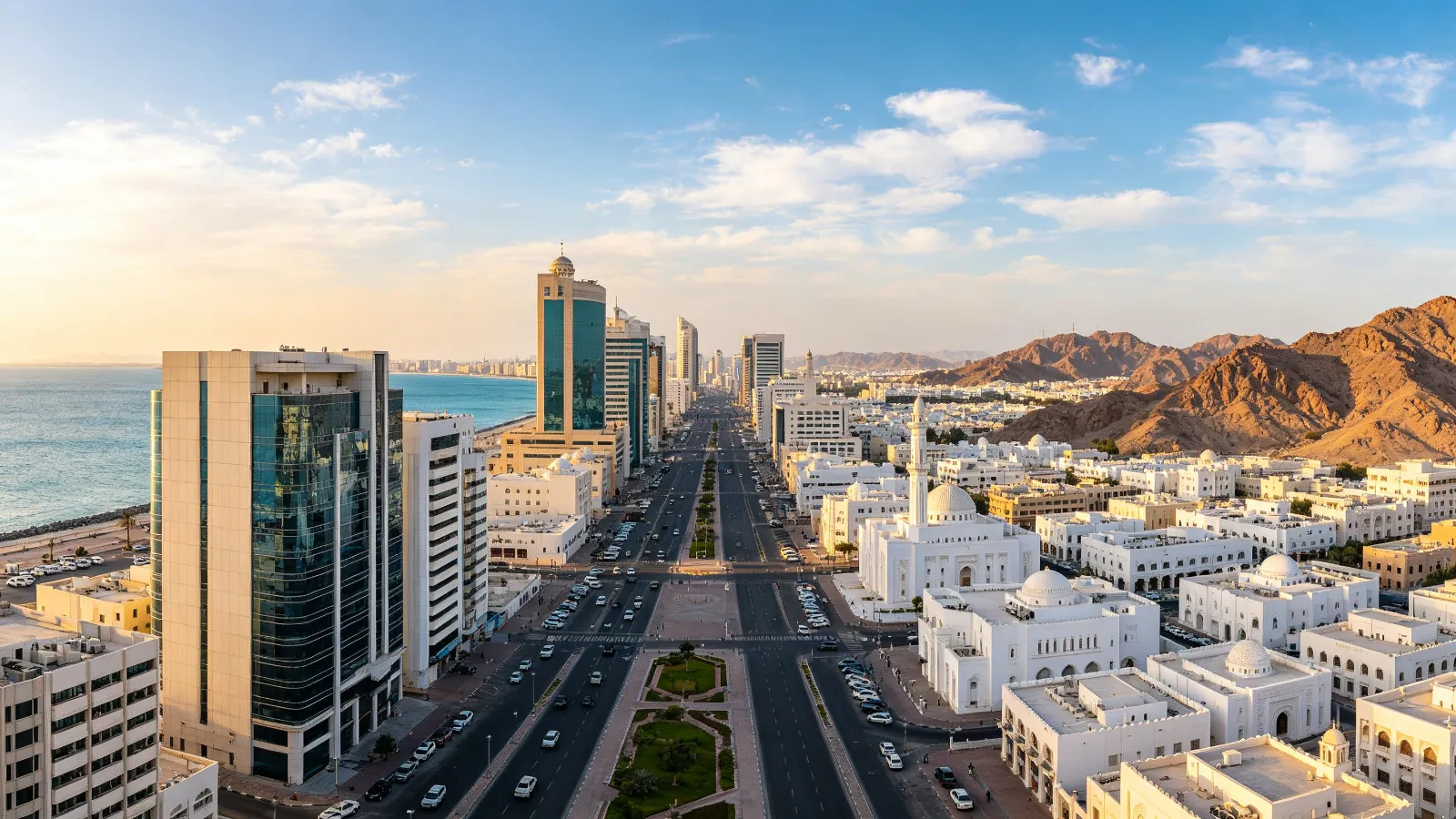
4. Industry: no minerals, but an industry built on policy and energy
Oman's industrial logic is unusual, rather than relying on domestic lithium, it builds a storage supply ecosystem from scratch on the strength of location, power prices and institutional advantages.
· Core advantages:
· Ports and free zones: duty-free import of raw materials and equipment, with corporate income tax as low as 0-5% (depending on the industry);
· Some of the world's lowest industrial power prices (about USD 0.04-0.05 per kWh), suitable for energy-intensive steps such as anode graphitization;
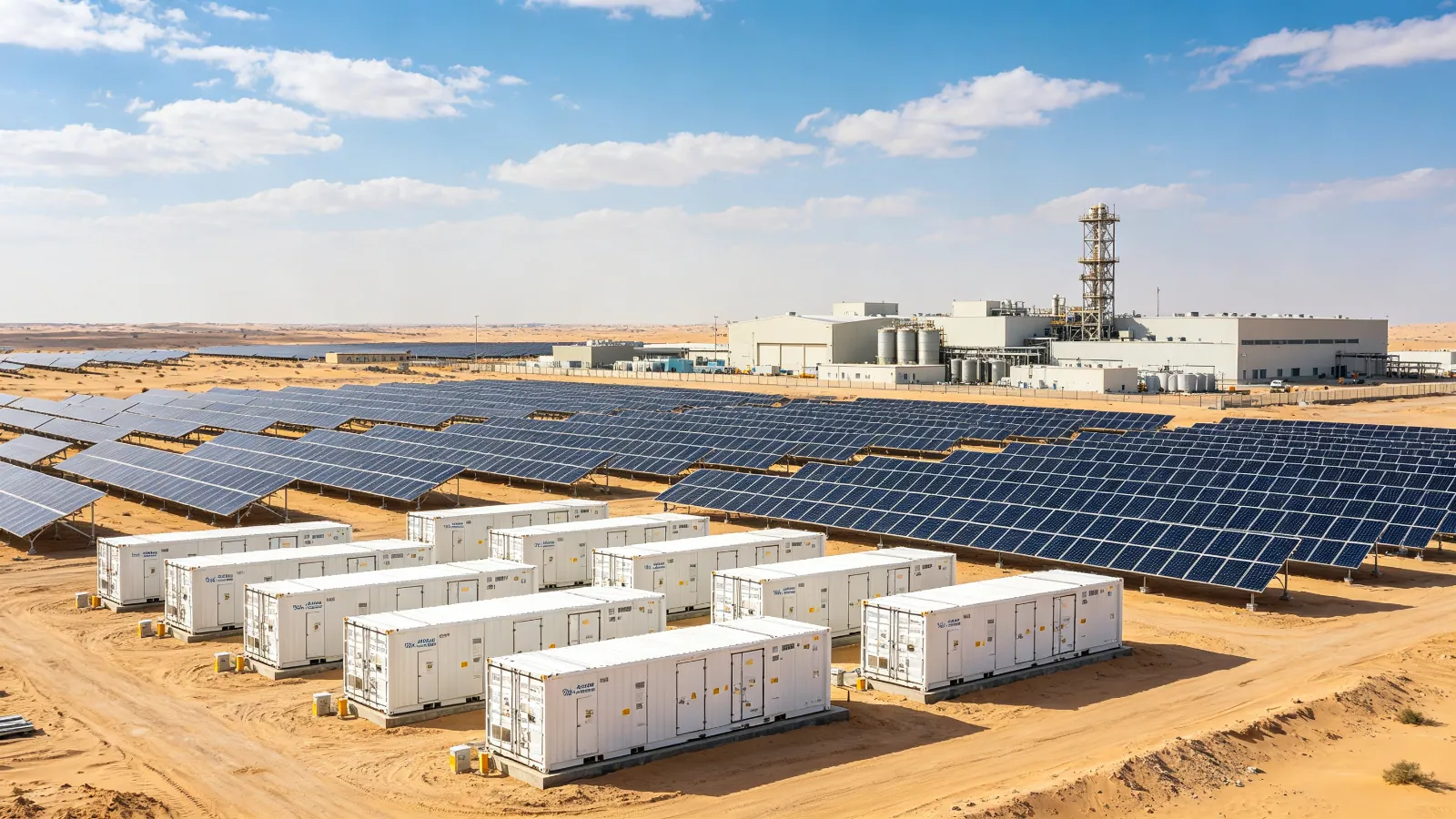
· National solar and storage projects have entered an intensive tendering phase, with more than 2.5 GWh of large-scale storage under construction or planned in 2026 alone, and demand for grid frequency regulation and solar-plus-storage continues to grow.
· Established benchmarks: Zhongke Xingcheng has built an anode material base in Sohar; CATL and Enel Green Power are involved in large wind-solar-storage EPC projects; BYD, Sungrow and Tesla are actively bidding for utility-scale storage projects in Oman.
· Real weaknesses:
· Almost no domestic lithium, nickel, cobalt or graphite, so upstream refining and precursors depend heavily on imports;
· Very little talent in fine powder processing, high-nickel cathode sintering and electrochemical testing, with core equipment and process control software almost entirely imported;
· The current industrial focus is anode materials and storage system integration, with no plans yet for large-scale local cell manufacturing, leaving a clear window for powder grinding, drying, classification, coating and environmental recycling equipment.
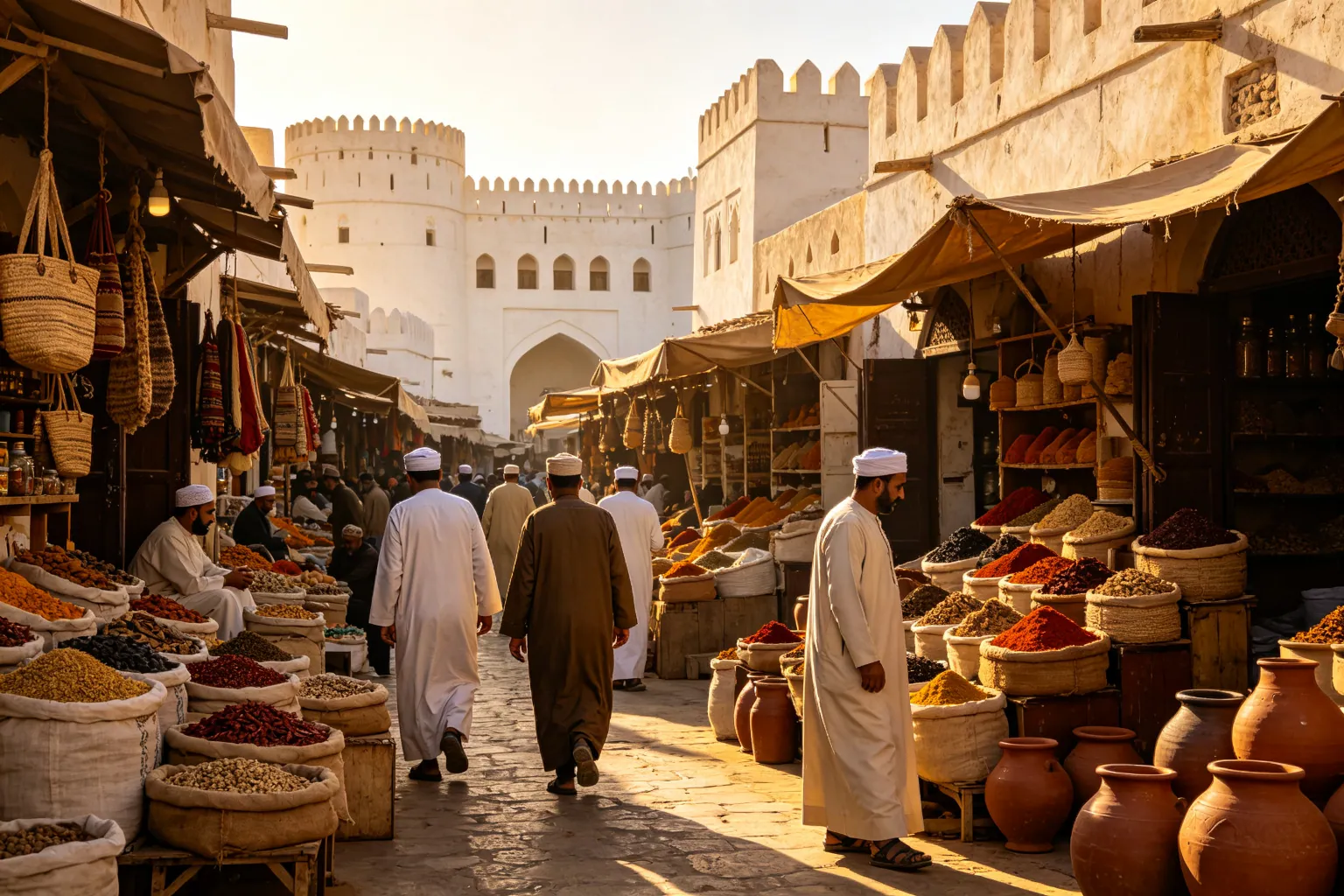
5. Way of life: a long-term business approach at a slower pace
Omani society follows Islamic culture, and business etiquette emphasizes hierarchy, face and accumulated trust. Meetings move noticeably more slowly than in East Asia, decisions often require several rounds of senior face-to-face discussion, and backing from key people in ministries, free zone authorities and the national energy company is crucial. Public and private matters are kept clearly separate, and environmental assessments, legal compliance, local agent authorization and social responsibility commitments are all indispensable. Price is not the first decision variable, customers care more about whether you have successful Middle East references, whether your equipment runs stably at 50°C in high salt spray, and whether your team is willing to provide long-term on-site service.
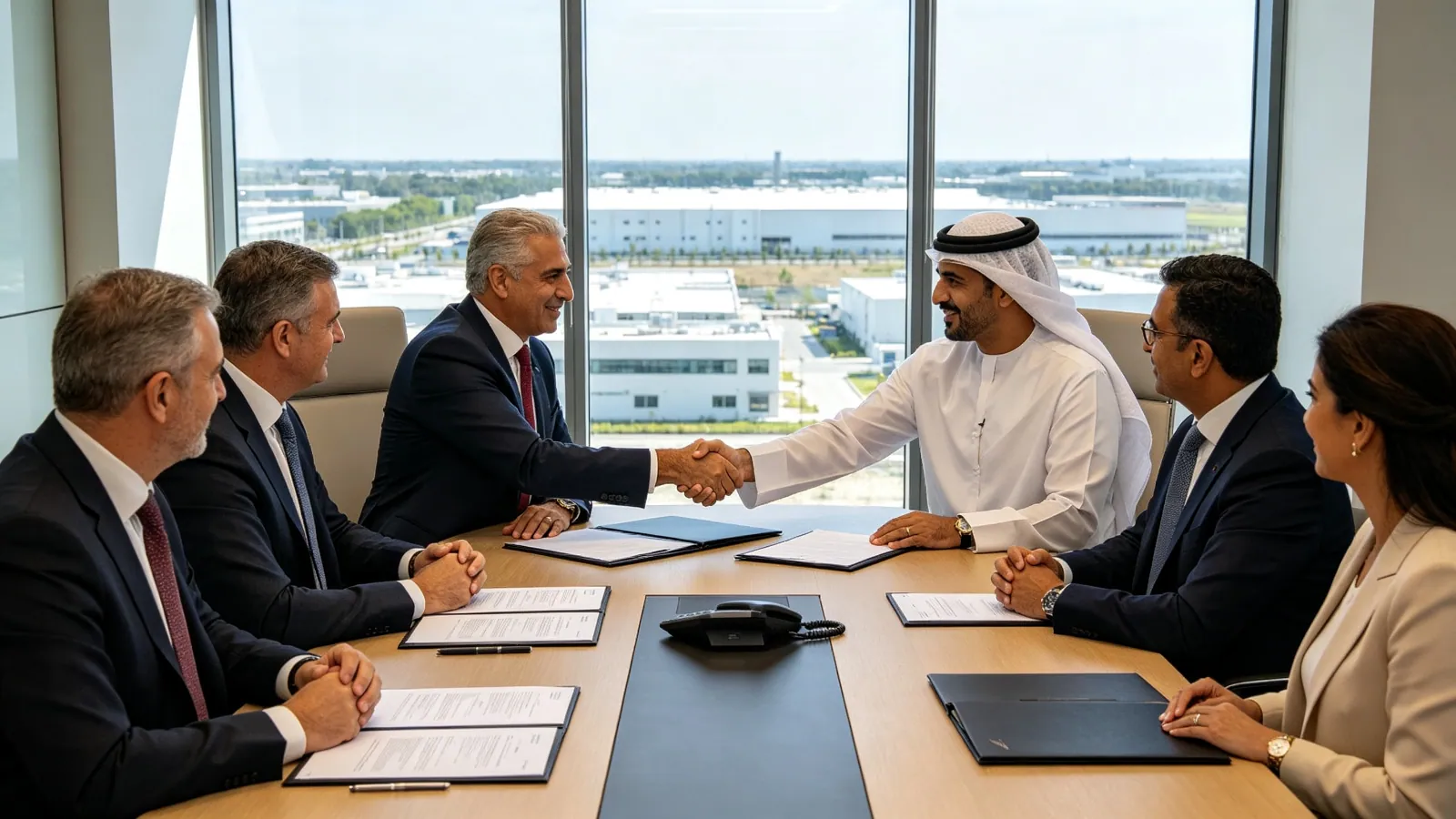
6. Business characteristics (key for exporters: how Oman differs from Korea, Indonesia and the US)
1. Government channels outweigh market sales: Omani projects mostly originate from the Ministry of Energy and Minerals, the Duqm SEZ authority and Nama Group (the national grid). Securing a free zone entry agreement or a government MoU first is far more efficient than visiting customers one by one, quite different from the US, driven by UL/ISO certification, or Indonesia, which relies on private conglomerate networks.
2. A local agent is an entry ticket, not a middleman: environmental, fire safety, labour and customs procedures must be signed off by a local agent licensed by Oman's Ministry of Commerce and Industry. An experienced agent with strong government relationships can cut the entry period from eight months to three.
3. Extremely pragmatic validation: Omani customers are not interested in concept slides; they want measured data under comparable climate conditions, for example the cooling efficiency of grinding equipment in a continuous 45°C environment, or the corrosion protection level of an anode line in humid coastal conditions. Whoever first obtains third-party certification for desert high-temperature stability gets the highest technical score.
4. Free zone incentives alongside environmental pressure: Sohar and Duqm allow duty-free raw material imports and free profit repatriation, but standards for carbon monitoring, solid waste recycling and water treatment have quickly moved toward EU levels in the past two years, so equipment suppliers need closed-loop cooling, dust recovery and anti-corrosion coating solutions in advance.
5. Payment security and rigorous contracts: energy projects are mostly EPC contracts or direct government procurement with clear payment milestones, but performance bonds (usually 10-20% of the contract value), retention (5-10%, held for an extra two years) and delay penalties are exceptionally strict, so legal and insurance preparation are essential.
7. Key players and supply chain companies in Oman's new energy sector
· Chinese pioneers: Zhongke Xingcheng (integrated anode base in Sohar), CATL (equipment supply for several solar-storage projects), Envision Energy (wind plus storage solutions), Sungrow (bidding with inverters and storage systems).
· National players: Nama Group (in charge of the national transmission and distribution grid and future storage dispatch) and Invest Oman (the national investment promotion agency, offering one-stop coordination for land, environmental approval and labour).
· International leaders: Tesla Megapack, BYD Energy Storage, Enel Green Power and France's ENGIE are all competing for large independent solar-storage power projects.
· Supply needs: ultrafine milling and shaping equipment for anode lines, wet grinding and classification systems, high-temperature refractories for graphitization furnaces, and battery dismantling and recycling crushing lines, areas with almost no local supply, where Chinese equipment makers have clear advantages in value and delivery speed.
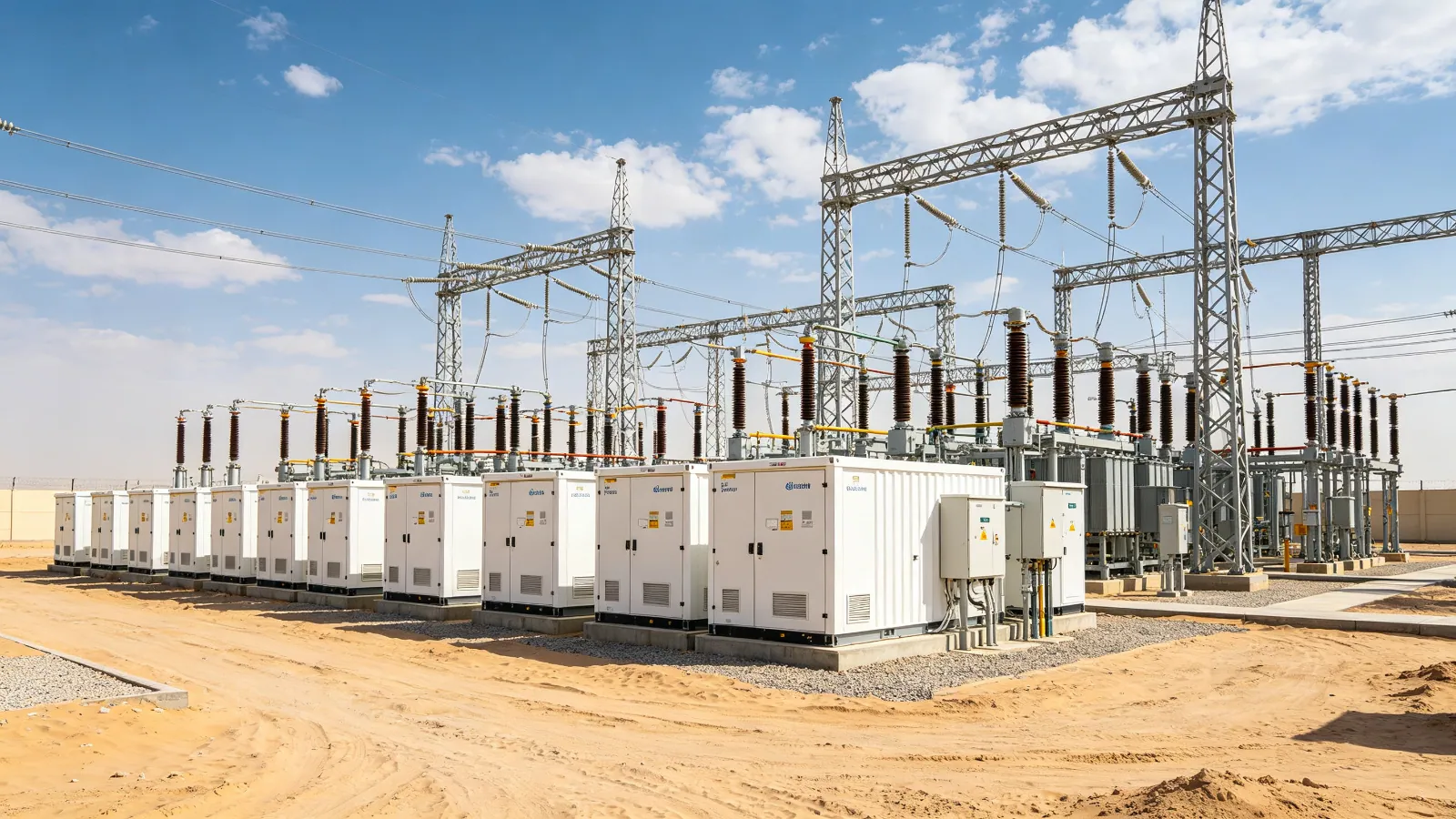
8. Summary: Oman is not big and broad but a focused, stable springboard into the Middle East
Oman is a growing hub market with combined advantages of location, energy and institutions, highly certain demand for solar and storage, and a supply chain still at an early stage.
It does not rely on mining but attracts energy-intensive material processing with ports and power prices; it does not chase hundreds of GWh of cell capacity but focuses on storage integration and anode and recycling supply, a small, specialized, stable and refined path. For Chinese equipment and material companies, individual Omani orders may not be the largest, but margins are healthy, payments reliable and customer relationships, once built, last for years, making it an ideal testing ground and showcase for entering the Middle East and East Africa.
Finally, a milestone of our own:
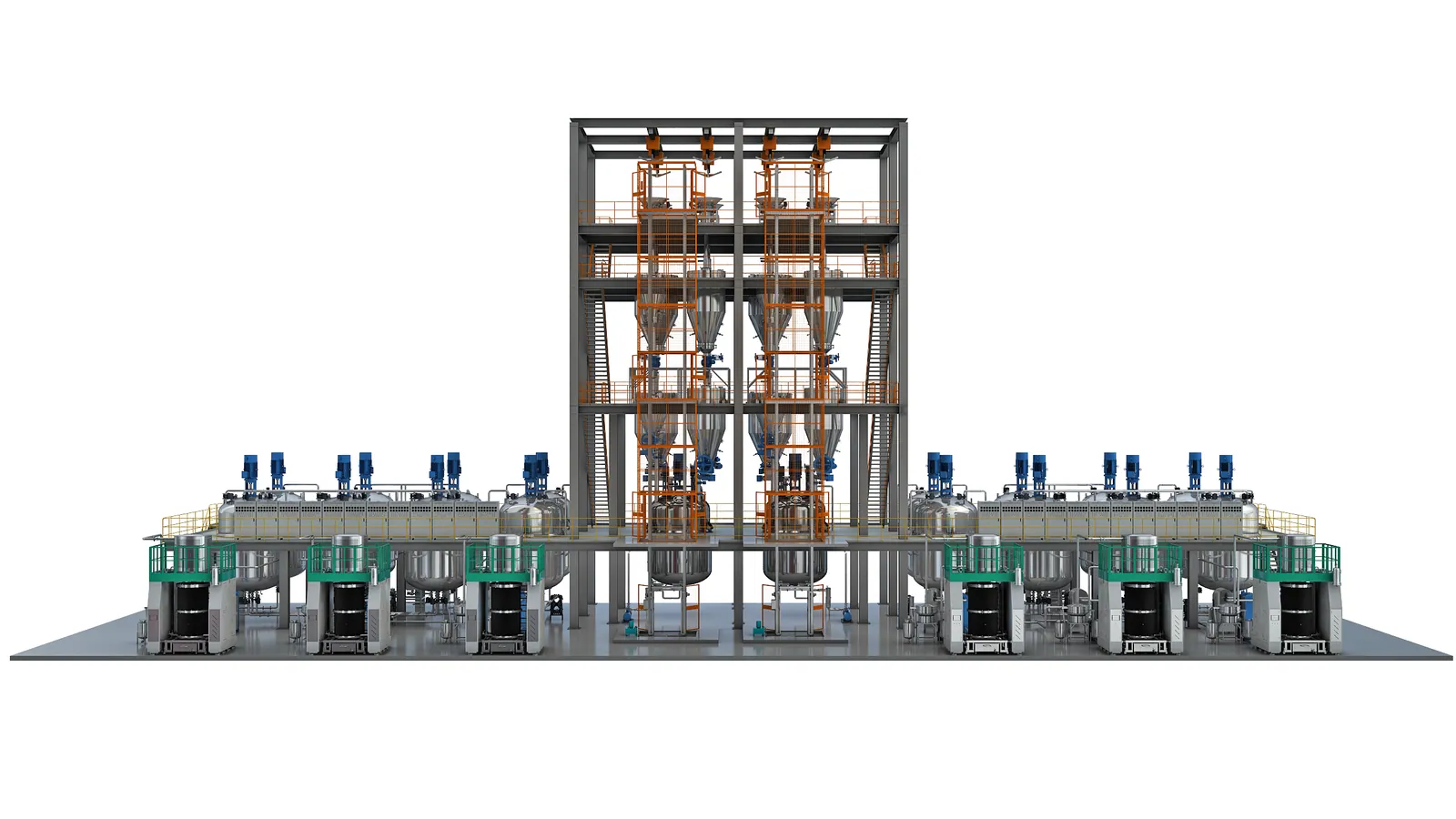
INFOR Intelligent has successfully delivered a 60,000-tonne LFP cathode material project in Oman, completing the entire chain from process design and equipment delivery to on-site commissioning, including local environmental approval, labour permits and free zone acceptance. We have gained first-hand experience, and lessons, in anti-corrosion design, redundant cooling systems and local agent coordination for hot, humid Middle East conditions.
If you are planning an overseas route for Middle East energy storage, anode materials, powder grinding or battery recycling equipment, send us a message or leave a comment, we are happy to talk about the project map, which pitfalls to avoid and how to turn a first order into a long-term reputation.