The US-China trade war has escalated again.
Tariffs are changing, lists are growing and countermeasures are coming, a run of news that has unsettled people in foreign trade, manufacturing and new energy. Is the US market completely closed? Can our products still be sold there?
Here we review the latest developments and then turn to a more practical question: for manufacturers and new energy companies, are there still opportunities in the US?
1. The latest US measures
1. Layer upon layer of tariffs, no longer a single rate
The existing Section 301 tariffs remain:
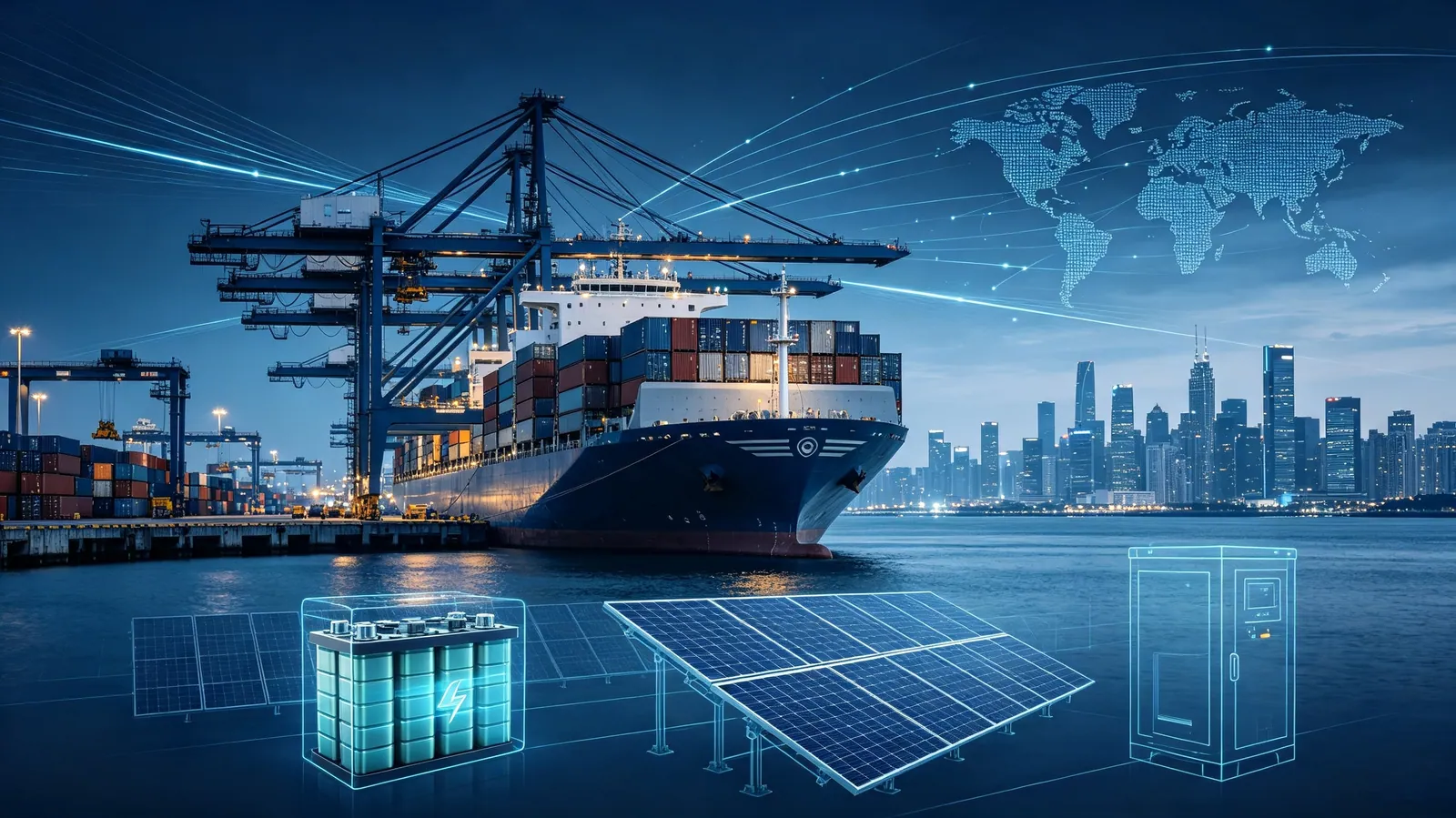
· Lithium batteries and energy storage equipment: 25% additional tariff (Section 301)
· Solar modules: up to 50% in combined tariffs on top of the base most-favoured-nation rate
· Electric vehicles: 100% tariff
That is just the base layer.
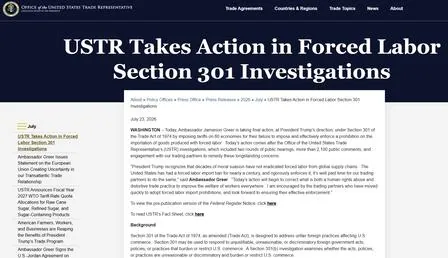
In late July the US introduced a new round of Section 301 tariffs, citing so-called forced labour, adding 10-12.5% on 60 economies including China, effective 24 July. In trade talks the US promised that substitute additional tariffs on Chinese goods would not exceed 20%; the rate currently applied is 12.5%.
New and old tariffs are cumulative.
For example, for energy storage batteries: 3.4% base tariff + 25% Section 301 + 10% fentanyl tariff + 10% reciprocal tariff brings the combined rate toward 48.4%. Battery energy storage systems (BESS) as a whole now face tariffs approaching 40%.
And another shoe has yet to drop: the US has launched a Section 301 investigation into "overcapacity" covering 16 economies including China, Vietnam and Mexico, which could add further tariffs. Steel, aluminium, batteries, solar, chemicals and electronics are key targets.
In short, exporters cannot use last year's rates to plan this year. Policy can change at any time and must be tracked continuously.
2. The largest-ever expansion of the entity list
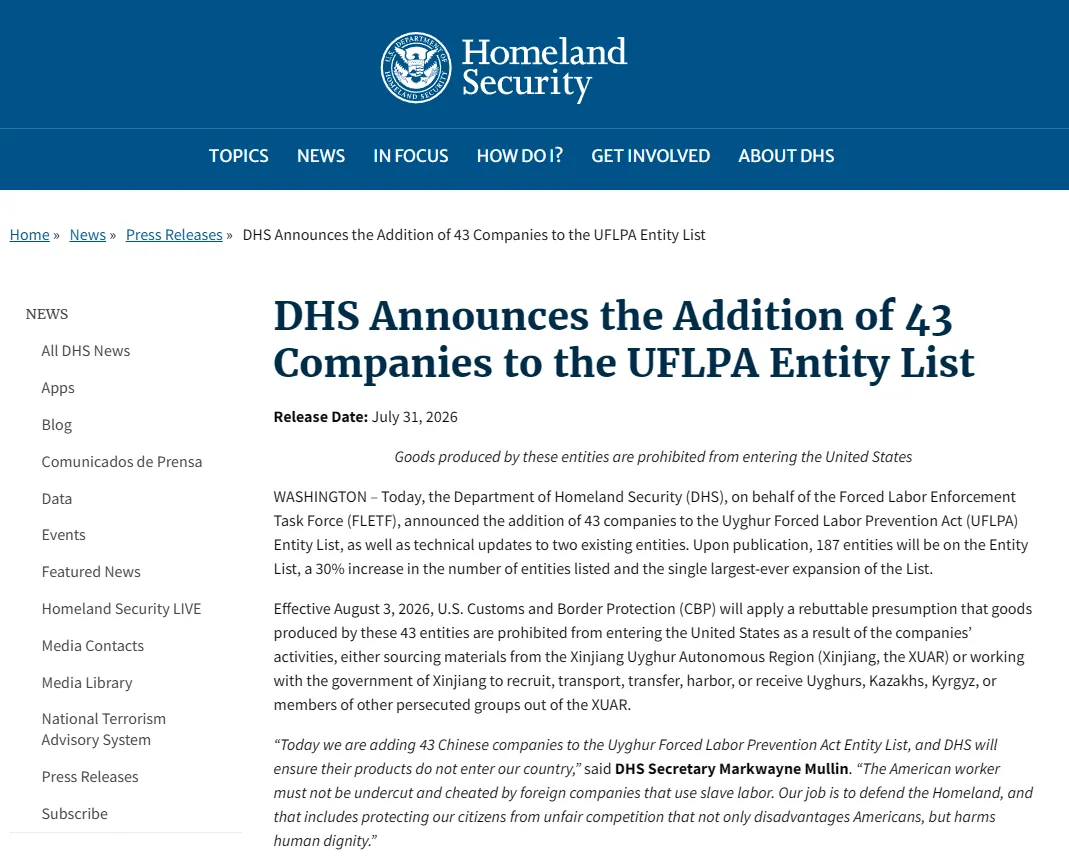
On 31 July the US Department of Homeland Security added 43 Chinese companies to the UFLPA Entity List on Xinjiang-related grounds, effective 3 August.
This is the largest single expansion since the Uyghur Forced Labor Prevention Act took effect in 2022, raising the list from 144 to 187 entities.
The scope is wide: aluminium, mining, textiles, food, biomedicine, new materials and energy. Well-known companies affected include Tianshan Aluminum, Shandong Weiqiao, TBEA, ChaCha Food, Septwolves, Synear Food and Shandong Gold.
New energy companies were also targeted, including upstream lithium producer SDIC Xinjiang Lithium and several metals and new materials manufacturers.
What does listing mean?
It is not a direct embargo, but the consequences are severe: US Customs applies a rebuttable presumption that products involve forced labour and are in principle barred from entry. Importers must prove otherwise with "clear and convincing evidence" that the supply chain is clean, and in practice approval rates are very low. Many US importers simply stop buying because compliance is too costly and complex.
Beyond the UFLPA list, the BIS Entity List and defence-related lists are also continually updated, and the risk of being listed could fall on any Chinese company doing business with the US.
2. China's countermeasures, stronger than ever
China did not limit itself to verbal protests.
On 5 August a set of countermeasures took effect:
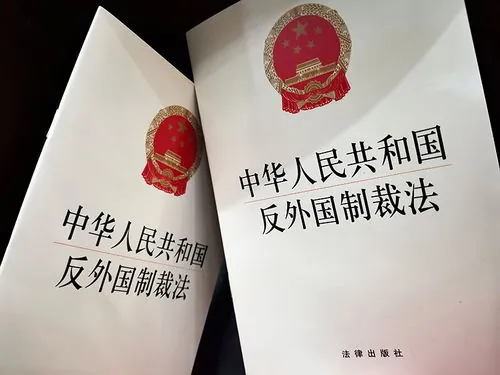
First, under the Anti-Foreign Sanctions Law, six US entities that helped produce Xinjiang-related sanctions were placed on a countermeasure list, and Chinese companies and individuals are prohibited from dealing with them. They include Applied DNA Sciences, Strata Reservoir, Altana Technologies, the Responsible Business Alliance, the Verité group and the organization Human Rights in China.
Second, China suspended US institutions' authority to conduct factory inspections in China on behalf of CCC compulsory certification, removing a lever the US could use against Chinese companies. US companies seeking CCC certification for the Chinese market must now use non-US inspection bodies.
Third, export controls on drones and key drone components and technology to the US were tightened, with strict case-by-case approval and no licensing facilitation.
Fourth, US compliance testing companies were added to the countermeasure list, prohibiting Chinese entities from dealing with them.
Fifth, a national security investigation into imports of printing, copying and office equipment was launched.
China's position is clear: this is reciprocal self-defence, and if the US escalates further there are more tools available.
3. So are there still opportunities in the US?
Many in foreign trade, equipment and new energy are anxious, with barriers everywhere, should they give up on the US?
My view: opportunities still exist, but the old way no longer works.
Face reality first
US logic is clear: in new energy it wants the benefits of the global clean energy transition while protecting domestic industry. With layers of tariffs, entity lists and compliance reviews, direct imports face ever higher barriers and risks.
One misstep onto a list and the whole business stops.
But demand is real
The AI computing boom in the US is driving surging demand for power, storage and solar. Grid upgrades and storage stations face huge gaps, domestic capacity cannot keep up, and much equipment and many components still depend on global supply chains.
There is real commercial space here.
Three practical judgements
First, large-scale direct export of finished products is increasingly risky.
Do not put all your chips on direct exports to the US. Tariffs could rise and lists could land at any time; relying on a single market and a single route is too risky.
Second, change routes to get around barriers.
· Third-country and near-shore supply chains: processing and assembly in Mexico and Southeast Asia
· Technology licensing and joint ventures: exporting technology and equipment capability without necessarily shipping goods from China to the US
This is the direction many new energy manufacturers are exploring, taking part in North American supply chains in a different way.
Third, distinguish sectors and target niche needs.
Not every field is closed. Storage components, industrial equipment, niche materials and parts of the B2B industrial supply chain still offer windows for cooperation.
But compliance must be thorough, risks must be ring-fenced and policy changes must be anticipated, you cannot bet on policy staying the same.
Final thoughts
US-China competition will be long and recurring, with tariffs and lists tightening and loosening, this is the new normal.
For manufacturers, avoid emotional reactions:
· do not abandon the US market entirely because of sanctions;
· and do not imagine a return to the days of unimpeded access.
A reliable overseas strategy must be built on a global, multi-market presence.
Seize opportunities in the US where they exist, while building solid positions in growth markets in Southeast Asia, the Middle East, South America and South Asia. With a diversified portfolio of markets, no single region's policy swings can hold you hostage.