Visits by the leaders of two major powers to China in quick succession, President Trump followed closely by President Putin, are no coincidence. They reflect effective Chinese diplomacy and strategic steadiness. As the global balance of power shifts, China, with its real standing as a major power and its complete and powerful manufacturing system, has become an indispensable stabilizer and centre of cooperation in a turbulent world.
On 20 May 2026, Russian President Putin made a state visit to China. The two heads of state held in-depth talks in small and large formats and reached consensus in five areas, political strategy, trade and infrastructure, energy and technology, people-to-people exchanges and global governance, signing two major joint statements and 20 bilateral cooperation documents to deepen their comprehensive strategic partnership of coordination for a new era.
1. Political and strategic coordination
1. Formal agreement to extend the Treaty of Good-Neighbourliness and Friendly Cooperation, strengthening the legal basis for long-term friendship and confirming that relations are not directed at any third party and are based on non-alignment and non-confrontation.
2. Deeper high-level strategic trust, with improved communication mechanisms at the level of heads of state, governments and parliaments, and stronger cooperation in national security and defence to maintain long-term border stability.
3. Two core joint statements: bilaterally, a Joint Statement on Further Strengthening Comprehensive Strategic Coordination and Deepening Good-Neighbourly Friendly Cooperation, planning the long-term path of cooperation;
internationally, a Joint Statement on Promoting a Multipolar World and a New Type of International Relations, jointly opposing hegemonism, unilateral sanctions and bloc confrontation.
2. Trade, infrastructure and connectivity
1. Expanding bilateral trade and improving its structure, deepening cooperation in the digital economy, cross-border e-commerce and trade in services, and keeping supply chains stable, with China-Russia trade continuing above USD 200 billion.
2. Advancing major cross-border infrastructure, notably the second 1,435 mm standard-gauge line of the Manzhouli-Zabaikalsk cross-border railway to improve border logistics.
3. Improving customs and inspection cooperation, simplifying clearance, expanding exports of Russian agricultural products and feed to China and regulating trade in industrial goods.
4. Upgrading the bilateral investment agreement, expanding cooperation in manufacturing, urban construction and between regions, and linking development of Russia's Far East with the revitalization of Northeast China.
3. Energy, technology and frontier industries
1. Deepening strategic cooperation in traditional energy, stabilizing trade and cross-border supply of oil, gas, coal and electricity to secure both countries' energy, and expanding green cooperation in hydrogen, renewables and carbon markets.
2. Focusing on nuclear energy and controlled nuclear fusion, with a memorandum on scientific and technological cooperation in controlled fusion and projects in peaceful nuclear energy, the nuclear fuel cycle and fast-neutron reactors.
3. Cooperation in aerospace, artificial intelligence, new materials and biomedicine, with stronger intellectual property protection and joint research.
4. People-to-people, education and social exchanges
1. Launching a China-Russia Year of Education, deepening university cooperation, joint training and exchanges to strengthen friendship among young people.
2. Expanding cooperation in culture, media, tourism and sport and improving sister-city mechanisms.
3. Strengthening exchanges in health, disaster prevention and social security.
5. Global governance and international affairs
1. Jointly upholding the core authority of the United Nations and working closely within BRICS, the Shanghai Cooperation Organisation and the G20.
2. Advocating a balanced, effective and sustainable global security architecture, opposing interference in other countries' internal affairs and respecting each country's development path.
3. Exchanging positions on the Russia-Ukraine conflict, the Middle East, global food security and energy security, and advocating resolution of disputes through dialogue for a fairer global governance system.
As China-Russia strategic coordination deepens, economic cooperation is extending from energy and commodities into intelligent manufacturing and high-end equipment. As a Chinese company specializing in new energy equipment and grinding technology, INFOR is seizing this opportunity and building its presence in the Russian market.
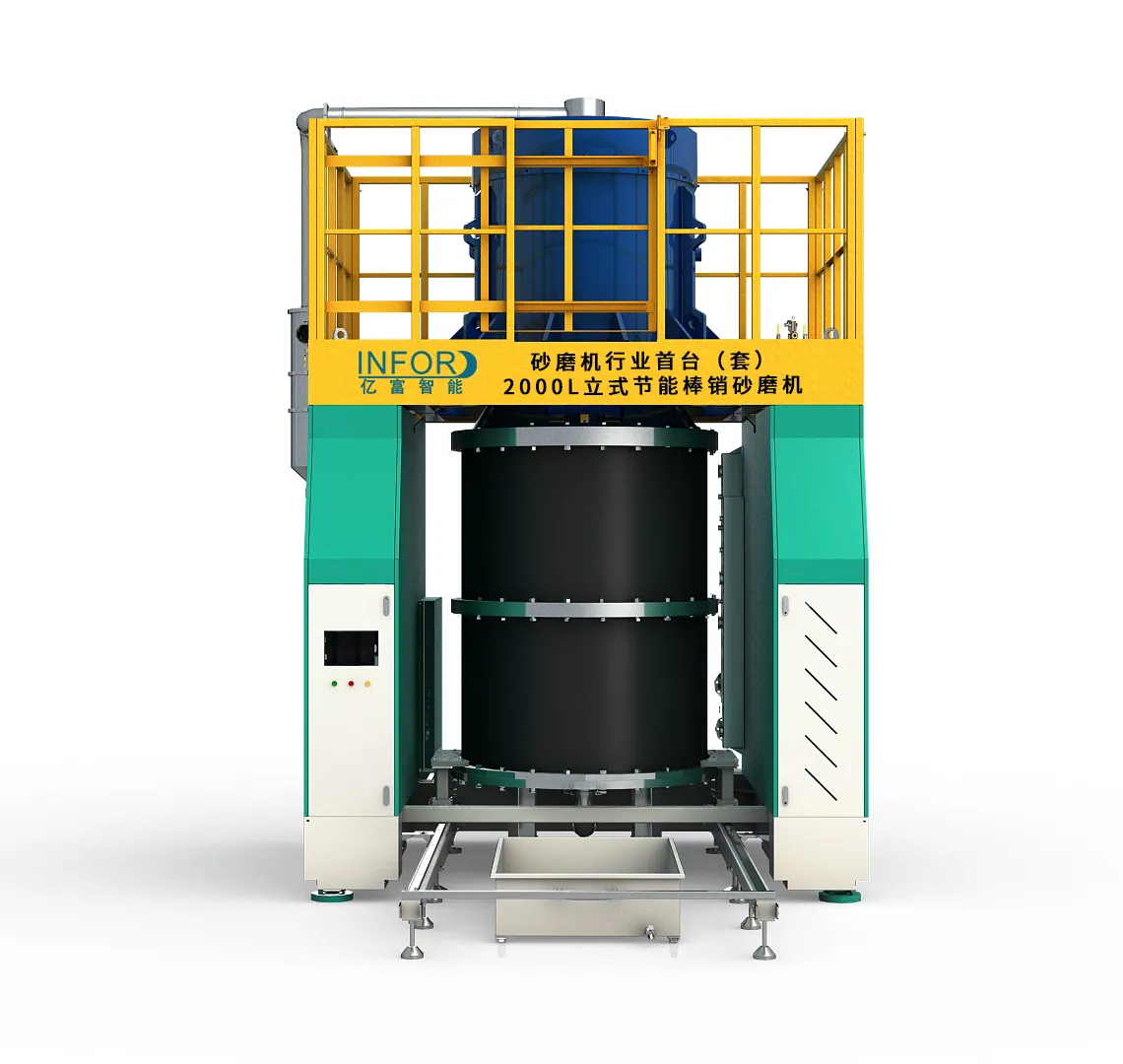
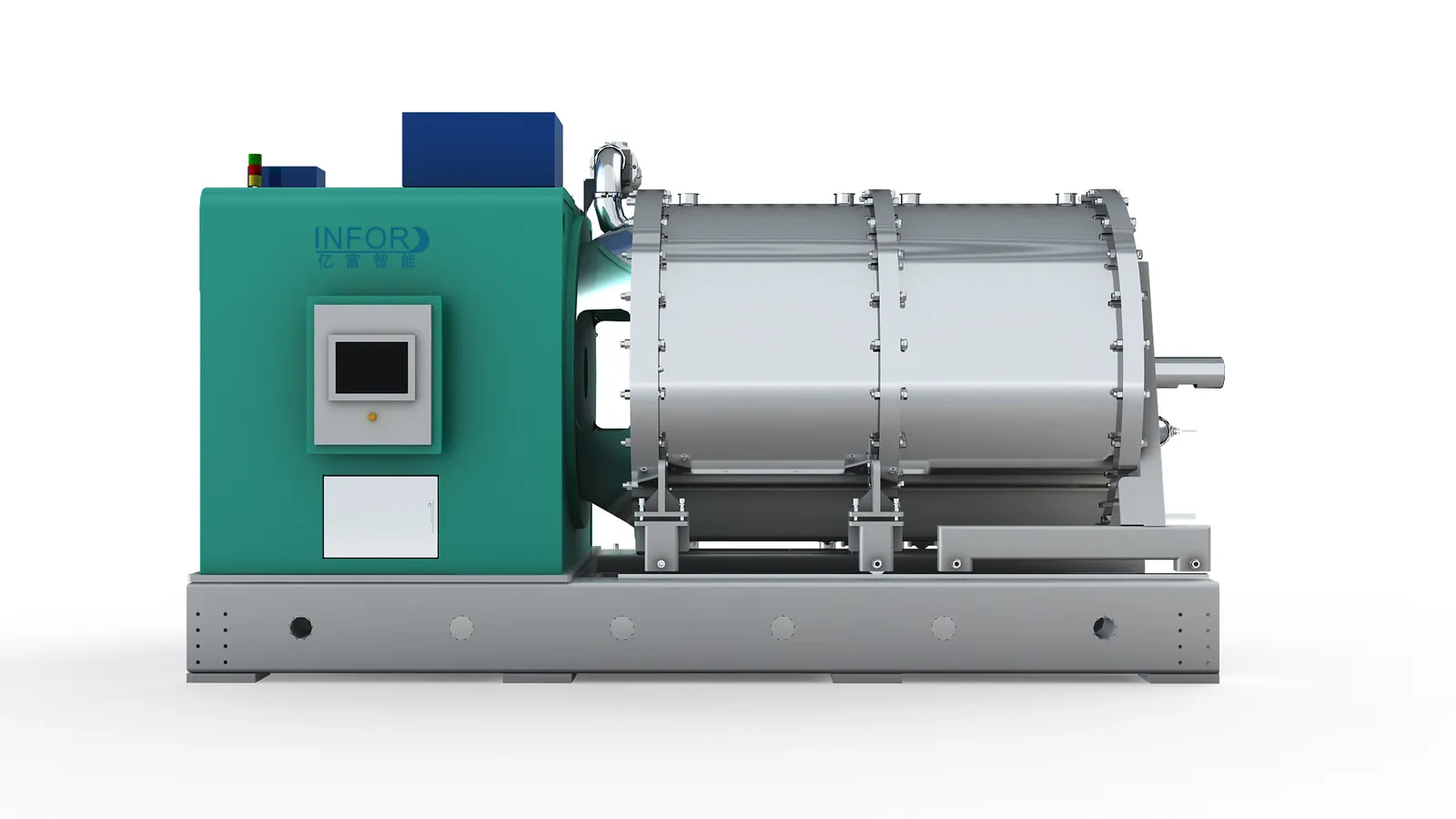
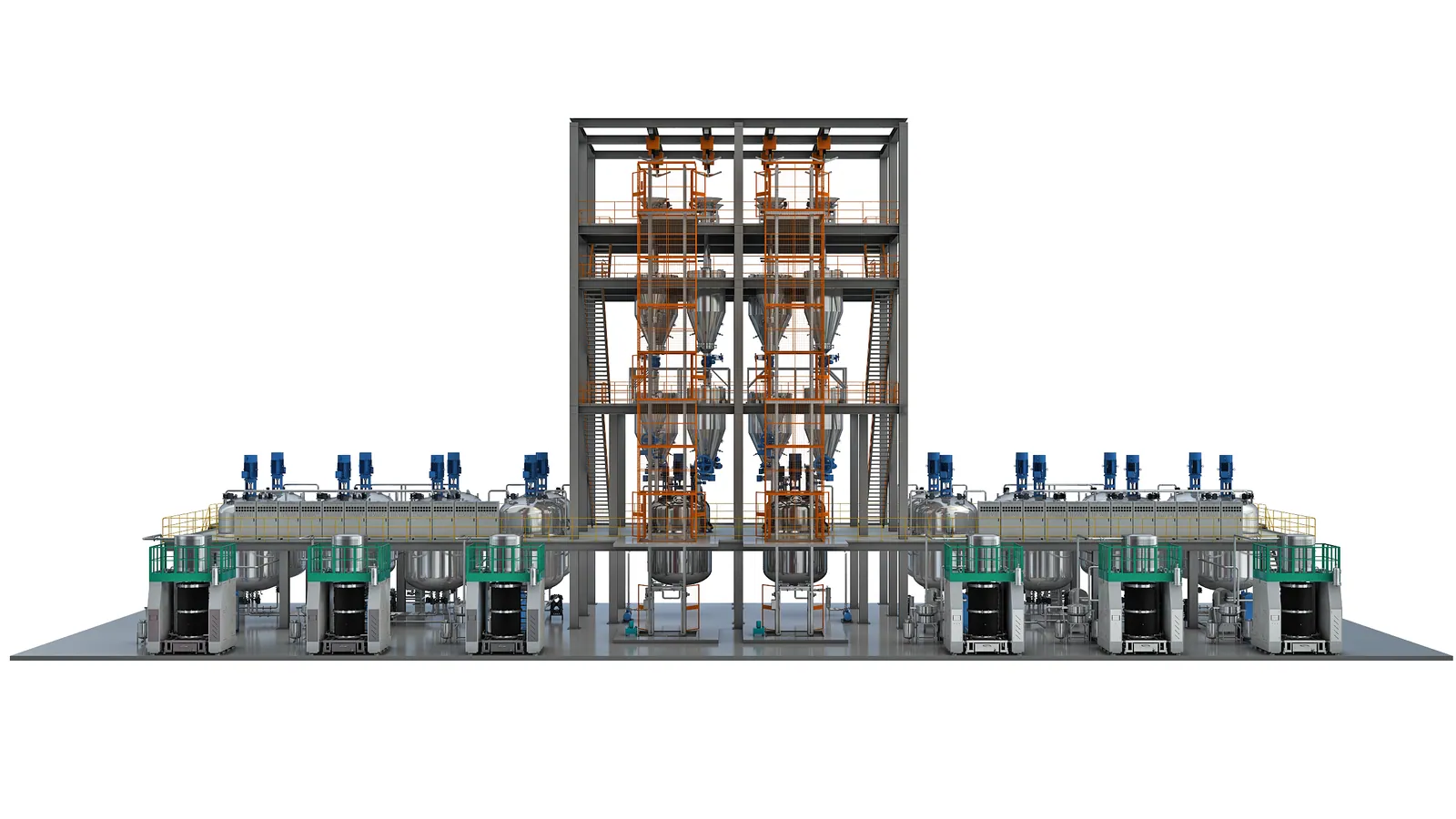
INFOR's business covers new energy material equipment and grinding equipment for coatings, with products from laboratory scale to full production lines. INFOR exhibited at Interlakokraska 2026 in Moscow, showing advanced grinding solutions to Russian and international customers and receiving strong recognition and many cooperation enquiries. At CIBF 2026 many international customers visited our booth, and several Russian customers have visited INFOR's headquarters in Songshan Lake, Dongguan. Russia's paint and coatings market is one of the fastest-growing and most promising in the world and is in a key window of industrial upgrading and import substitution, with strong demand for intelligent high-end equipment.
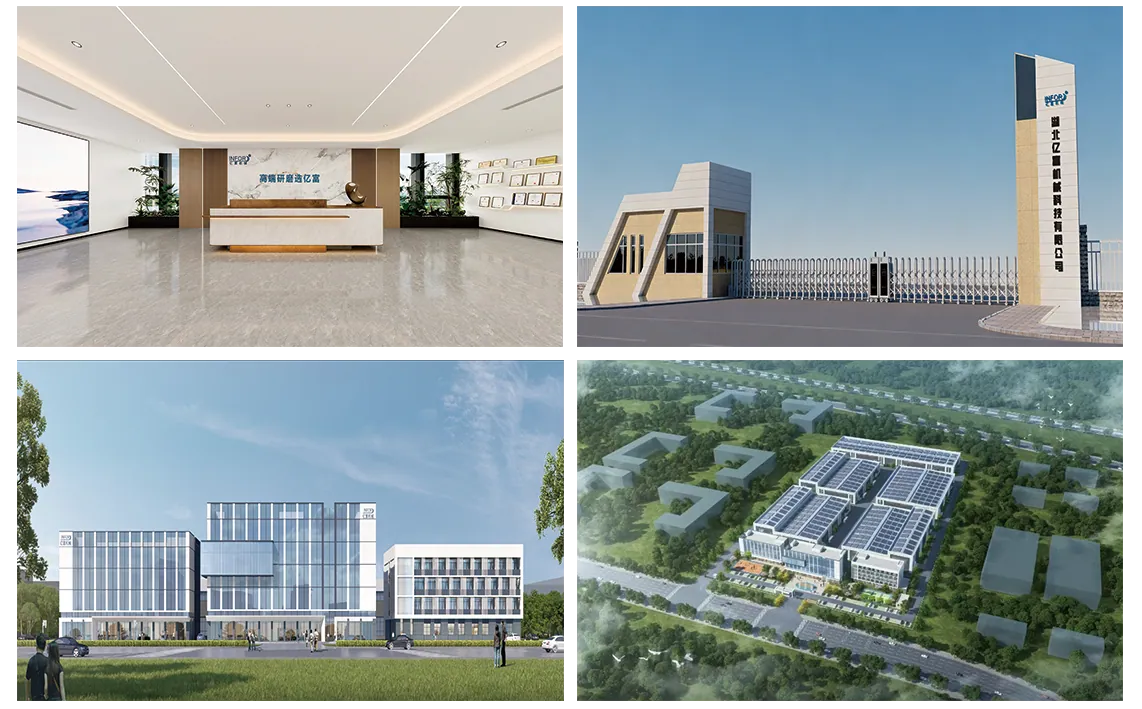
Technically, INFOR's bead mills are internationally competitive in efficiency, energy consumption and performance. On policy, the summit again supported expanded cooperation in new areas such as the digital economy and technological innovation, creating a favourable business environment for Chinese companies localizing in Russia. Strategically, INFOR is preparing a Russian office and building a complete after-sales service system to deliver quality local service in Russia.
As China-Russia relations enter a new stage of faster development, the strategic guidance of the two heads of state is giving companies new momentum and opening the way for more high-value, high-tech Chinese products in the vast Russian market.