From high-level Indian visits to China to frequent study trips by Indian companies, the momentum of India's lithium battery and new energy market is easy to feel.
For Chinese new energy professionals looking to build a business in India, many questions arise. What is the current state of India's new energy industry? What advantages does India have? And besides local players, who else is quietly entering the market? Let us take a closer look.
Market background
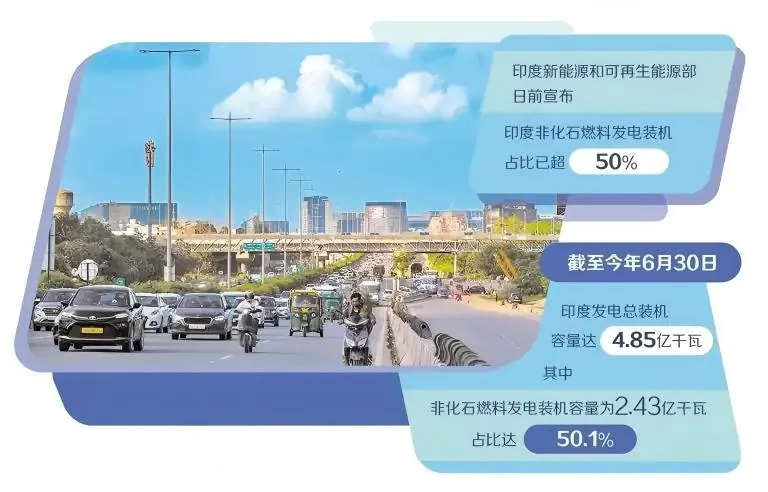
With a huge population and a fast-growing economy, India sees new energy as a key engine of energy transition and economic growth. It has introduced a series of support policies, subsidies, industrial parks, simplified approvals, to encourage lithium battery and new energy companies to set up in India.
Demand for EVs is growing explosively: EV sales rose from 43,000 in FY2022 to 100,000 in FY2024, all battery electric. India's power battery demand was about 15 GWh in 2024, with local capacity of about 6.7 GWh and the rest imported. As environmental awareness grows and EVs are promoted, more Indian consumers are choosing electric vehicles, driving rapid growth in lithium battery demand.
India's energy storage market is also rising quickly. To cope with unstable power supply, many households and businesses are installing storage systems, further boosting demand for lithium storage products. India's new energy market is like a giant magnet drawing global attention.
India has several natural advantages. First, it has lithium, cobalt, nickel and other key battery raw materials. Although their development is still limited, with better technology and more investment India could become an important supplier of battery raw materials.
Second, labour. Companies can hire large workforces at relatively low cost in India, significantly reducing production costs and improving competitiveness. Industrial land and factory rents are also relatively low, and government subsidies and tax exemptions save further on site selection and construction.
Third, strong government support. Beyond the policies mentioned, India is investing more in research and encouraging technical innovation, providing a good policy environment and technical support for the industry.
Opportunities
The players: a competitive field
Both local and foreign companies are actively building positions in India's new energy market.
Indian players
Tata Group, one of India's largest conglomerates, has major new energy investments: Tata Motors has launched several EVs and is investing more in lithium battery R&D and production. Adani Group has also announced plans to enter the lithium battery industry with a large battery plant.
Foreign players
Chinese companies also have significant influence. CATL, BYD, Gotion and other Chinese battery leaders are working in India: CATL supplies batteries to some Indian automakers, and BYD has set up EV production in India with good sales results.
Korean companies such as Samsung and LG are also investing more. Samsung has built a lithium battery plant in India and partners with local companies, and LG Chem plans to expand battery production to meet local demand.
Global presence
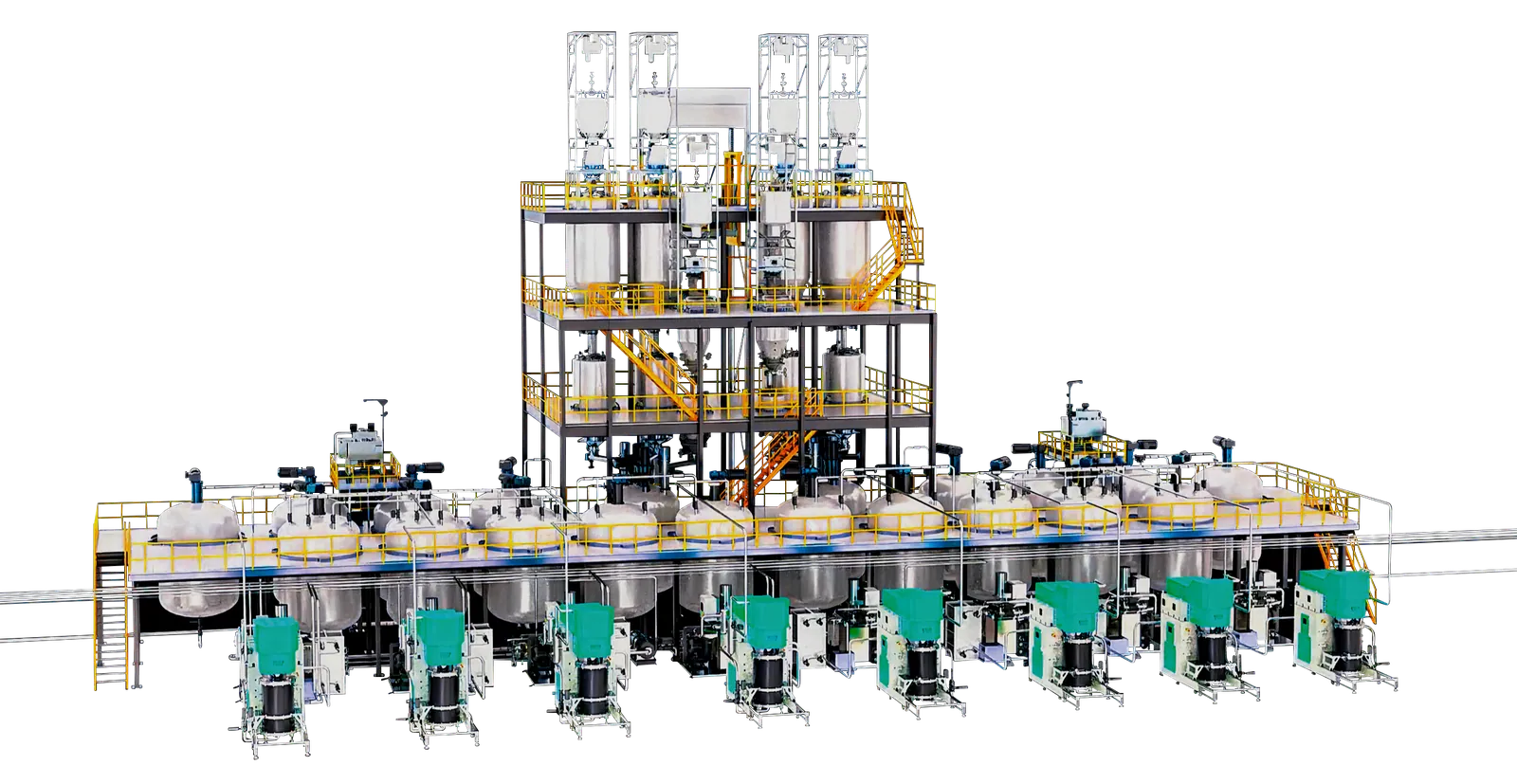
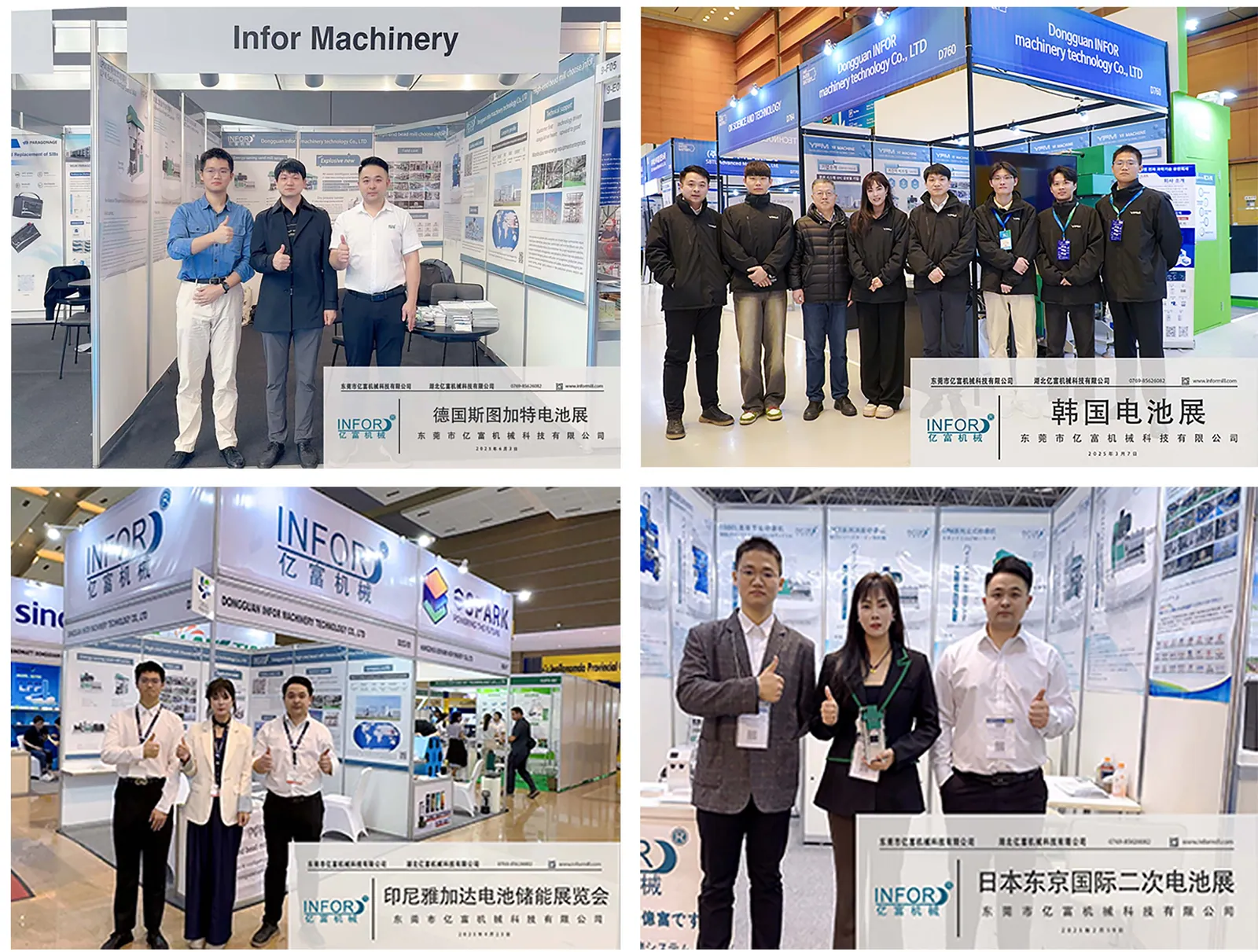
INFOR is ahead of the field in globalization. Drawing on our experience in Korea, Southeast Asia and Europe and our bead mill line technology and expertise, we will build our business in India and bring high-end Chinese bead mill technology to support the development of India's new energy industry.
India's new energy market is full of opportunities and challenges and is well worth exploring for Chinese new energy companies. Those who seize the opportunity in this promising market are best placed to succeed in future competition.