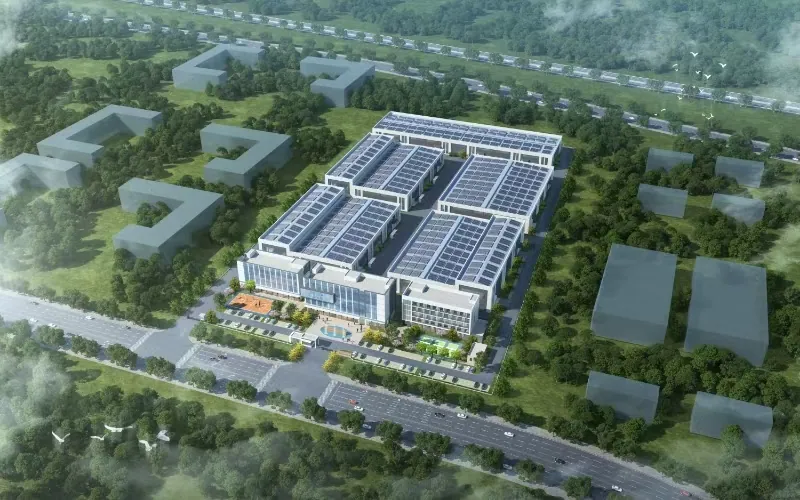
This week's news from the Middle East is not just about big project signings but a fundamental shift in industrial logic, from buying finished products to making them locally, and from solar alone to the whole battery chain. Whether you work in storage, batteries, materials or equipment, this wave is worth studying closely.
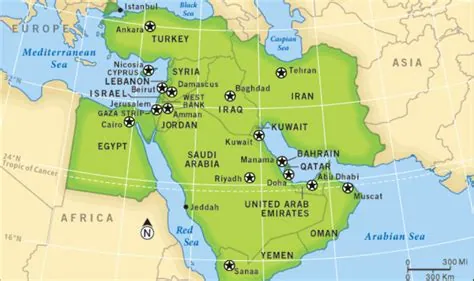
UAE: financing closed for a giant solar-plus-storage project, with procurement just beginning
Masdar's world-first round-the-clock solar-plus-storage project closed USD 6.1 billion of full financing this week, with 5.2 GW of solar and 19 GWh of storage planned specifically to supply stable green power to AI computing centres.
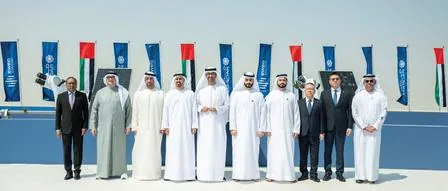
RTC project groundbreaking ceremony
Chinese companies have won clear shares:
· BYD has secured 11.275 GWh of storage orders
· Sungrow has won 7.5 GWh
· JA Solar modules have started shipping in batches
The bigger opportunity comes after delivery: 19 GWh of storage means huge demand for upstream lines, LFP slurry, nano grinding equipment, coaters, calendering and slitting. The UAE is becoming the showcase for grid-scale storage in the Middle East, with Saudi Arabia and Kuwait likely to follow the model, so equipment makers should watch the coming framework tenders closely.
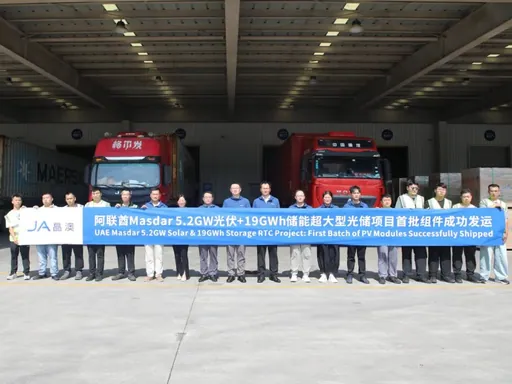
JA Solar module shipment
Saudi Arabia: green hydrogen exclusivity awarded, seven Chinese companies shortlisted for storage
1. Green hydrogen export hub: the government has granted ACWA Power exclusive rights to national green hydrogen production and cross-border export, opening green hydrogen and ammonia export routes to Europe and starting tender windows for electrolysers and hydrogen equipment.
2. Standalone storage tender: the prequalification list for the second 3 GW/12 GWh batch has been published, with seven Chinese companies including Gotion, Envision and Longyuan Power shortlisted; the final bidding stage began this week.
Saudi Arabia has ample funds, but strict localization rules (a required share of Saudi employees) and ownership quotas (local partners must hold equity). The best current strategy is equipment export plus EPC contracting, holding off on heavy-asset material plants to keep compliance costs from eating profits.
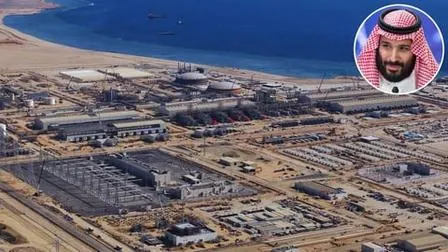
NEOM green hydrogen site
Oman: a complete supply chain takes shape, the most certain market for equipment makers
The biggest industrial opportunity this week came from Oman:
The sovereign fund formally approved a USD 1.744 billion new energy investment portfolio, and the Sohar Free Zone will host material plants and a 6 GW solar cell line, the Middle East's first complete cathode material supply chain.
At the same time:
· a 1 GW solar project has launched an international tender
· a feasibility tender for an 800 MW-1 GW green hydrogen power plant has been issued, closing on 26 August
· civil works at Shinzoom's 200,000-tonne anode base are advancing at full speed, and together with the polysilicon project already in place, the upstream chain from polysilicon and solar to LFP and anode is now closed
Why is Oman the safest springboard right now?
· No Indonesian-style resource restrictions, and free movement of foreign exchange
· Full tariff exemption for companies in the free zones
· Deep-water ports with direct routes to Europe and North America and a clear logistics cost advantage
For makers of bead mills, sintering furnaces and slurry mixing equipment, order certainty here will be highest over the next two to three years, as cathode and anode plants come on stream together and equipment purchases surge.
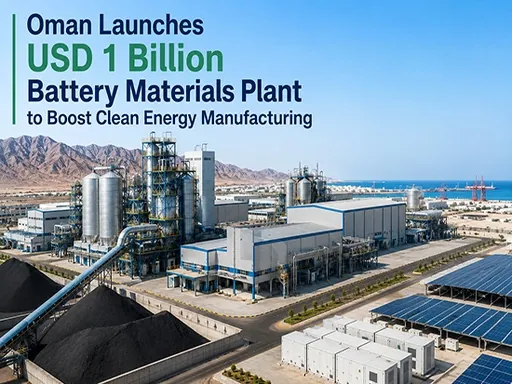
Sohar port industrial zone
Kuwait and Bahrain: policy dividends
· Kuwait has finalized plans for 3 GW of solar with storage and will give priority to Chinese integrated storage solutions.
· Bahrain is offering a ten-year income tax exemption to attract battery manufacturers, laying the groundwork for future line equipment exports.
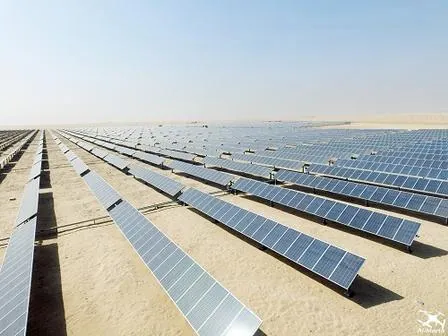
Desert solar farm in Kuwait
Priorities for going abroad (ranked by combined risk and return)
Tier | Target market | Focus | Strategy
Tier 1 | Oman | Cathode and anode line equipment (grinding, sintering, slurry mixing) | Concentrated start-ups across the chain, the densest orders, a 2-3 year window
Tier 2 | UAE | Large storage system integration and grid support | Equipment and system integration only, no raw material refining, controllable risk
Long-term follow-up | Saudi Arabia | Complete equipment exports and EPC services | Long cycles for large orders and high localization thresholds; hold off on building lines
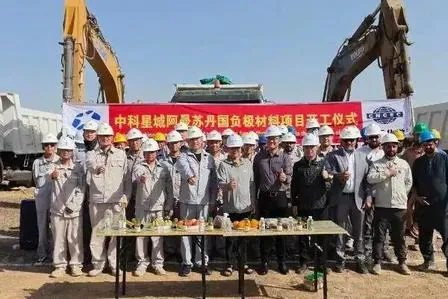
Groundbreaking of Shinzoom's anode project in Oman
Trend: the Middle East is replicating China's battery capacity structure
In the past the Middle East bought only solar panels and finished storage systems; now it is building a complete upstream material system, almost a replay of China's battery industry upgrade in 2015-2020.
For equipment makers, this means a quality growth market has formed that avoids India's high tariffs and Western trade barriers. Those who secure equipment supply positions first will take the initiative in the next round of global capacity relocation.
The window is open and speed matters. We will keep tracking and analysing tender progress, shortlists and equipment requirements for these projects.