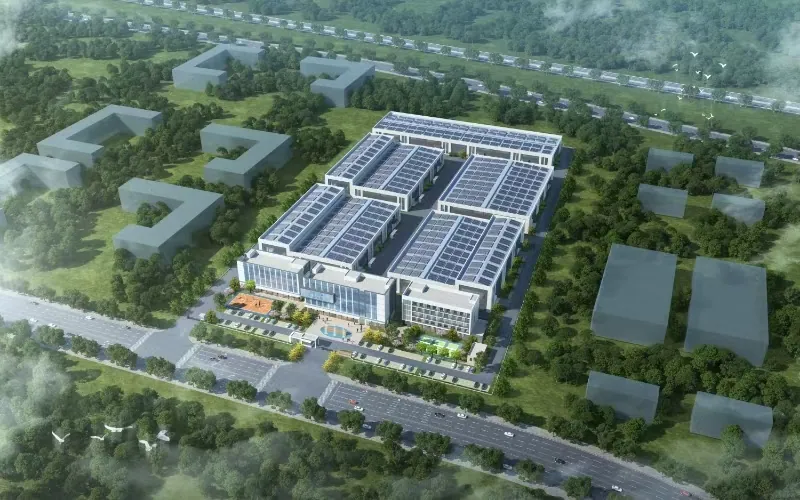
As major economies sink into ageing, zero-sum competition and slowing growth, Africa, with the world's only enduring demographic dividend, rising growth and huge unmet demand, is becoming a new arena for the world economy. "Whoever wins Africa wins the future" is no longer a slogan but a reality in the making.
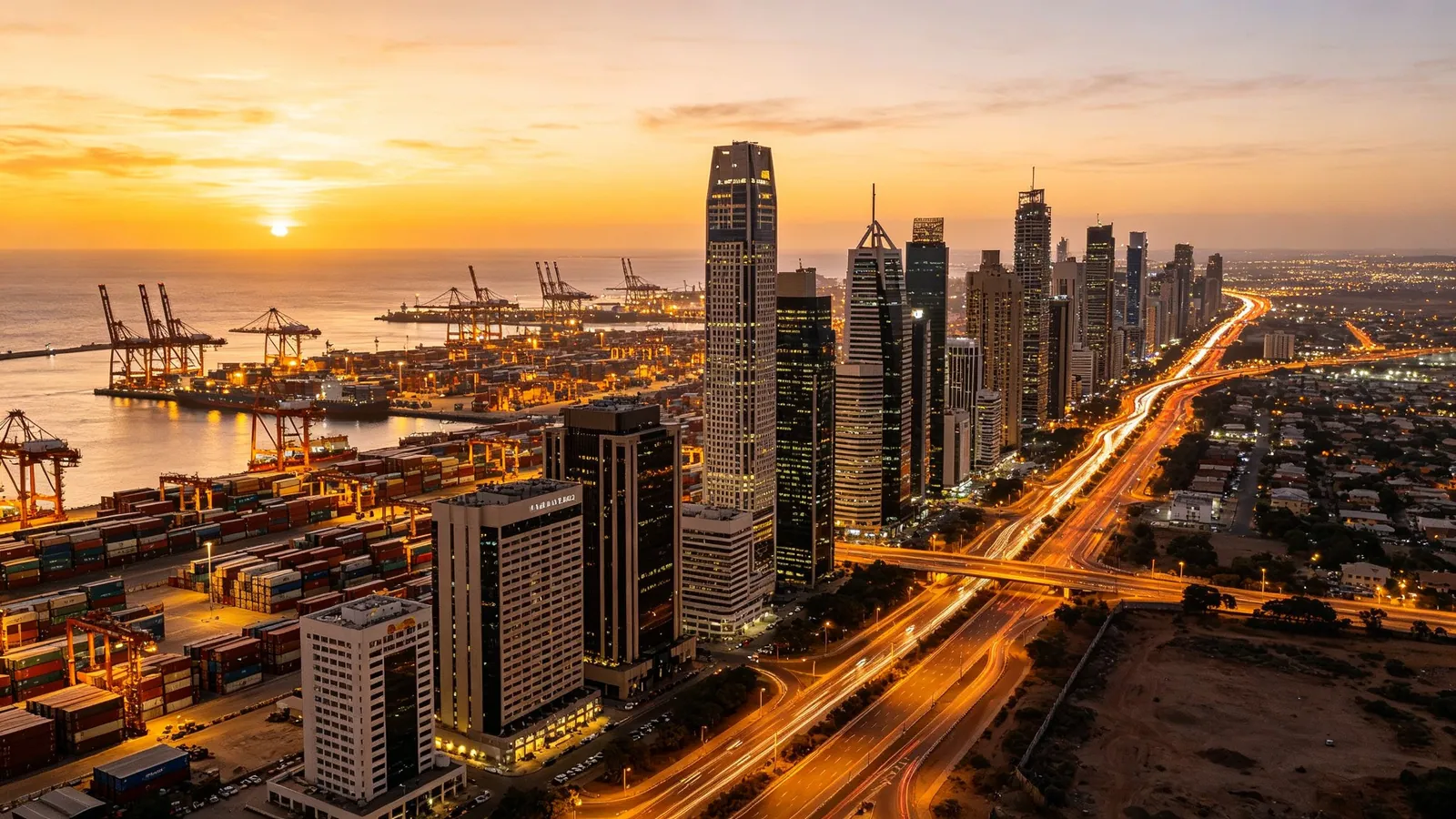
1. Why Africa is once again a must-win market
The UN Population Division projects that the world population will reach about 11 billion by 2100, with about 4 billion in Africa, four in every ten people on Earth.
Even more important is the age structure: Africa's median age is only 19.4, and more than 60% of the population is under 25, a stark contrast with ageing East Asia and Europe. High fertility and short generational cycles make Africa the world's last reservoir of labour and consumption growth.
The macro picture is also supportive. African Development Bank and IMF data show African growth stabilizing at 4.2-4.3% in 2025-2026, clearly above the global average, and Africa often accounts for more than half of the world's 20 fastest-growing economies. Urbanization rises by about 1.5 percentage points a year, and the middle class could exceed 500 million by 2030. With soaring mobile penetration, Africa has become the largest growth market for digital natives.
Capital flows tell the same story. According to UNCTAD, Africa attracted about USD 97 billion in foreign direct investment in 2024, up 75% year on year, while global FDI fell by about 11%. China's investment stock in Africa exceeds USD 42 billion. Europe focuses on resources and agriculture and Gulf capital on new energy and tourism, while Chinese capital keeps increasing in infrastructure, power, industrial parks and materials processing. Capital flowing in against the trend shows that Africa is no longer a concept but is entering a stage where it is possible to invest, build factories and get paid.
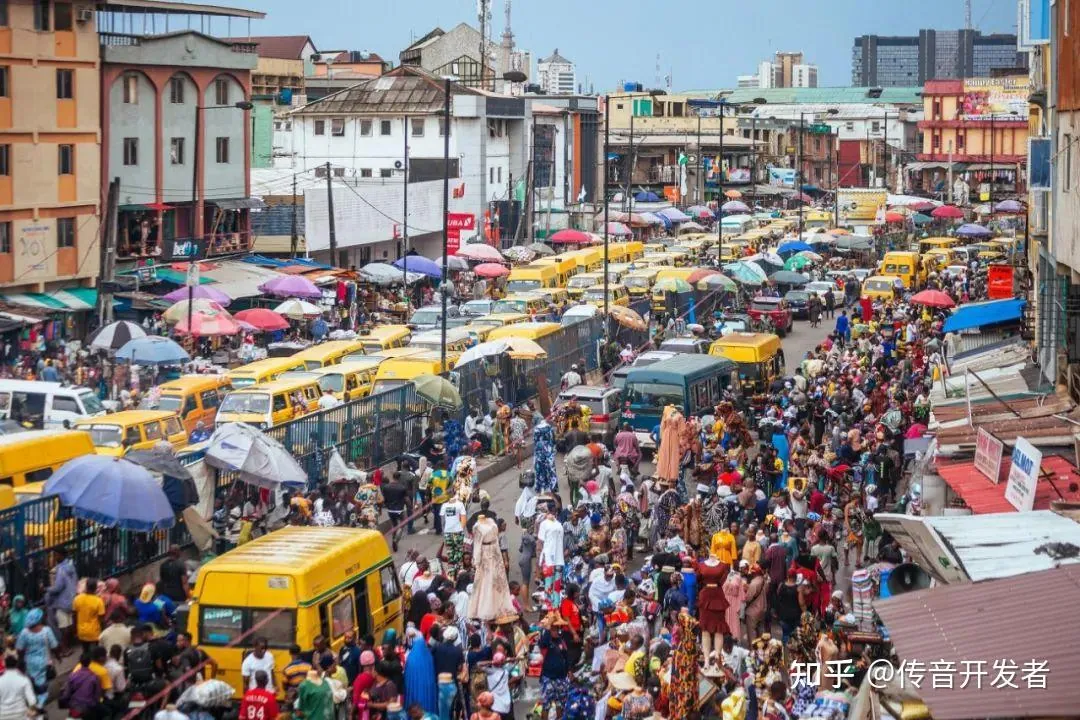
2. Africa's golden window: like entering China in the 1980s
Why is now the golden window for investing in Africa?
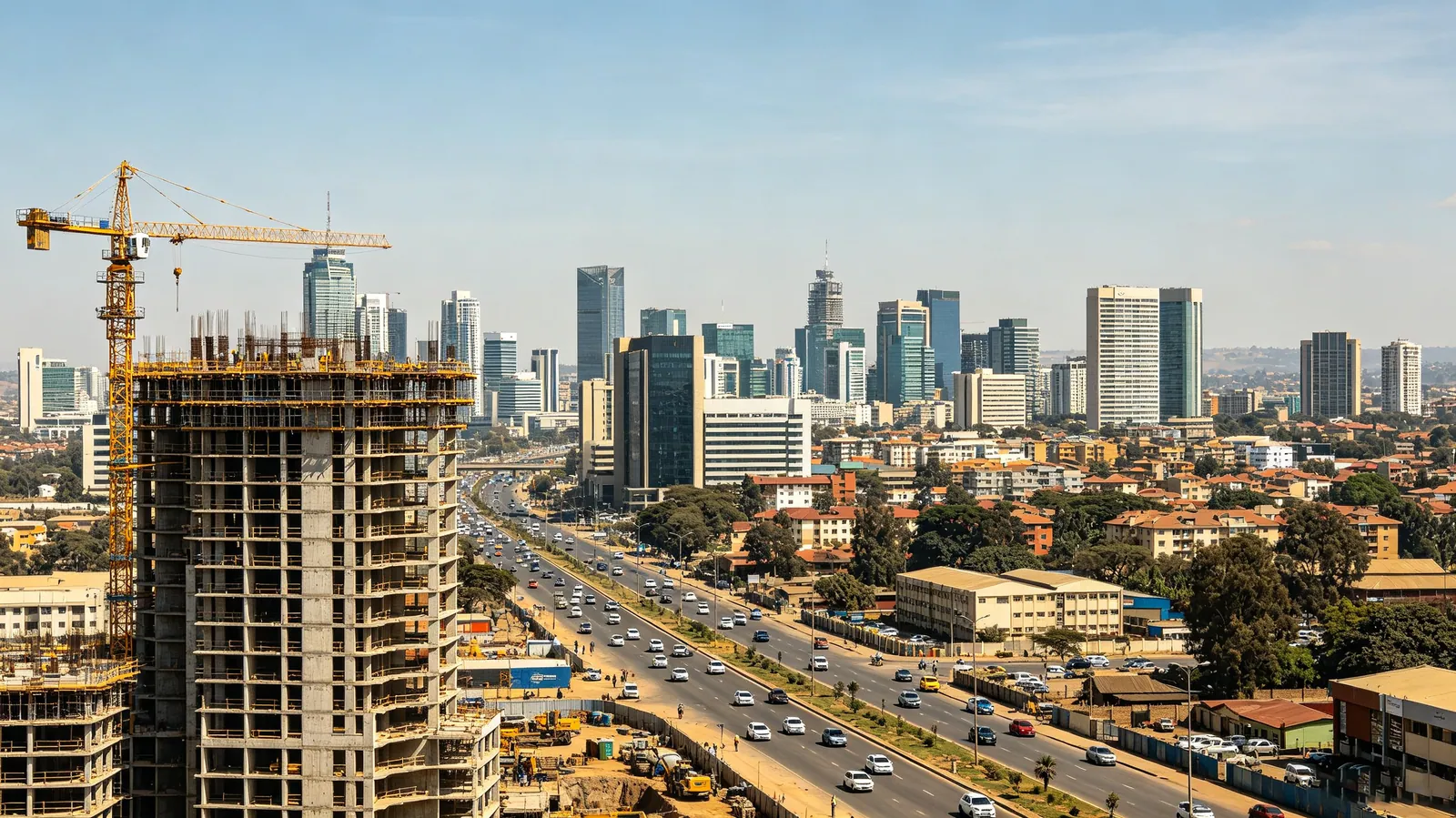
Because Africa today is like China in the 1980s, perhaps the last chance to position early and enjoy exponential returns. In Nairobi some towers sell out while still on the drawing board, with rental yields that may pay back within eight years, strongly reminiscent of China's urbanization boom in the 1990s.
Africa also has a distinctive dual structure: culturally and in values it leans toward the West, shaped by colonial history and social media habits, but its infrastructure, industrialization and trade depend heavily on China. Most of its roads, railways, ports and high-rise buildings were built with Chinese technology and capital.
This survival strategy of "culture facing West, economy facing East" makes Africa a key pivot in great-power competition.
3. Industrial transformation: what is happening in Africa
"Africa is not a bonsai in need of charity but a tropical rainforest of unlimited possibility."
Many companies still think of Africa only in terms of mineral exports and infrastructure contracts. What really deserves attention are three types of production lines being localized:
1. New energy and battery materials: North Africa leads, driven by resources and proximity to Europe
Morocco holds about 68-75% of global phosphate reserves, and Tanger Med handles more than 11 million TEU a year, a day's sailing from southern Europe. Gotion, BTR, CNGR and Tinci have launched LFP cathode, precursor and electrolyte projects in Morocco, while Egypt, close to Europe and the Middle East, is piloting new energy and storage materials.
2. Coatings, inks, pigments and colour pastes: growing in West, North and East Africa
In markets such as Nigeria, Egypt, Morocco and Kenya, urbanization, real estate, automotive and packaging printing are shifting demand for industrial and waterborne coatings from merely usable to stable fineness, low VOC and low energy consumption.
3. Mineral grinding and fine chemicals: resource processing in southern, western and central Africa
Africa has more than 50 types of minerals, 17 of them among the world's largest reserves, and lithium, cobalt, rare earths, copper, gold and phosphate all feed into new energy and electronic materials. Industry reports show that, driven by mining development, imports of powder crushing and screening equipment into the Middle East and Africa rose by about 14.2% in 2025.
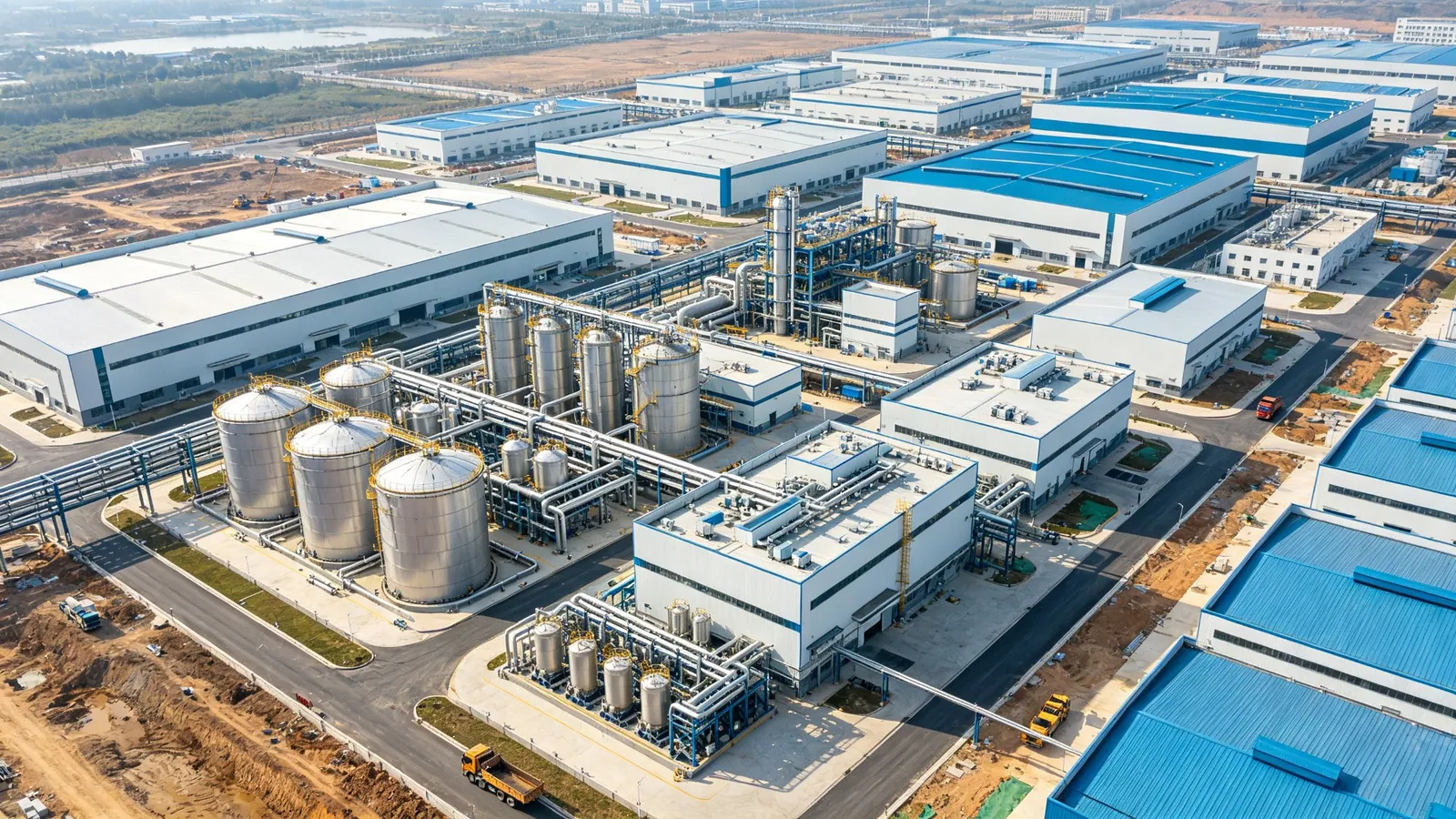
4. The window for Chinese intelligent equipment in Africa is opening
Three combined dividends, Africa's industrialization from zero to one, localization of new energy and materials processing, and the spillover of Chinese industrial parks and production lines, are turning Chinese high-end equipment from an option into a necessity. For bead mills and intelligent grinding systems, Africa does not lack demand; it lacks a stable, energy-efficient, easy-to-maintain industrial foundation. Compared with expensive Western solutions, Chinese equipment, with its value, delivery speed, process adaptability and service ecosystem, is better suited to Africa's dusty environments, unstable power and shortage of skilled technicians. Future competition will not be about single machines but about the system capability of equipment plus controls plus local service, whoever first establishes standards, spare parts and training locally will secure the gateway to Africa's materials, coatings and ink production lines for the next 20 years.
The metaphor of the great wildebeest migration goes far beyond nature: staying put and competing in place means being trapped in the dry season; only by crossing the river can you find new life.
Africa is not a simple copy of "the next China". It is younger, more fragmented and more dependent on local partnerships and long-term compliance. For Chinese high-end equipment, Africa is not a fallback market but one of the most important areas of industrial growth in the second half of the 21st century.