Overseas Markets: United States, A Huge Opportunity Amid Policy Storms and How to Find Your Place

1. Geography: a vast country with distinct east and west coast systems
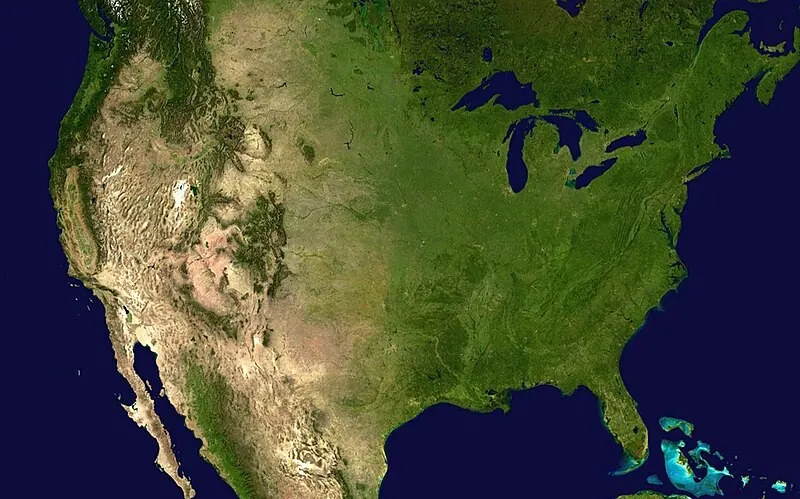
The United States lies in North America, bordered by the Atlantic to the east and the Pacific to the west, with a total area of about 9.37 million square kilometres. Unlike Korea or Indonesia, where industry is highly concentrated, industrial distribution varies greatly from state to state, with a clearly regional character.
The east and west coasts concentrate high-tech industry, energy storage and lithium battery R&D, with economic centres such as California, Texas and New York holding most of the country's new energy innovation resources. The vast interior is dominated by mining, chemicals and traditional manufacturing, with more dispersed supply chains. This geographic and industrial dispersion means one strategy is not enough, entry paths must be tailored to different regions.
2. Demographics: a high-end consumer market of 334 million with world-leading talent

The US population of about 334 million is a classic immigrant society with highly diverse ethnic groups. Population is concentrated in developed coastal states such as California, Texas, New York and Florida, which have strong purchasing power and the most mature new energy policies and industrial support.
Two features stand out. First, labour costs are high and blue-collar manufacturing workers are scarce, which raises the cost of domestic manufacturing. Second, a steady inflow of highly skilled immigrants keeps US talent in advanced research and technology development at the top globally, a long-term advantage for R&D in fundamental materials, solid-state batteries and silicon-carbon anodes.
3. Economy: the largest by far, with strong willingness to pay

In 2025 US nominal GDP was about USD 28 trillion, the world's largest, with per capita GDP above USD 83,000. This means high purchasing power and strong willingness to pay among storage and EV users. In a mature high-end market, customers will pay a premium for better performance and more reliable quality, an important value anchor for mid- to high-end equipment and material suppliers.
4. Industry: reshoring driven by the IRA
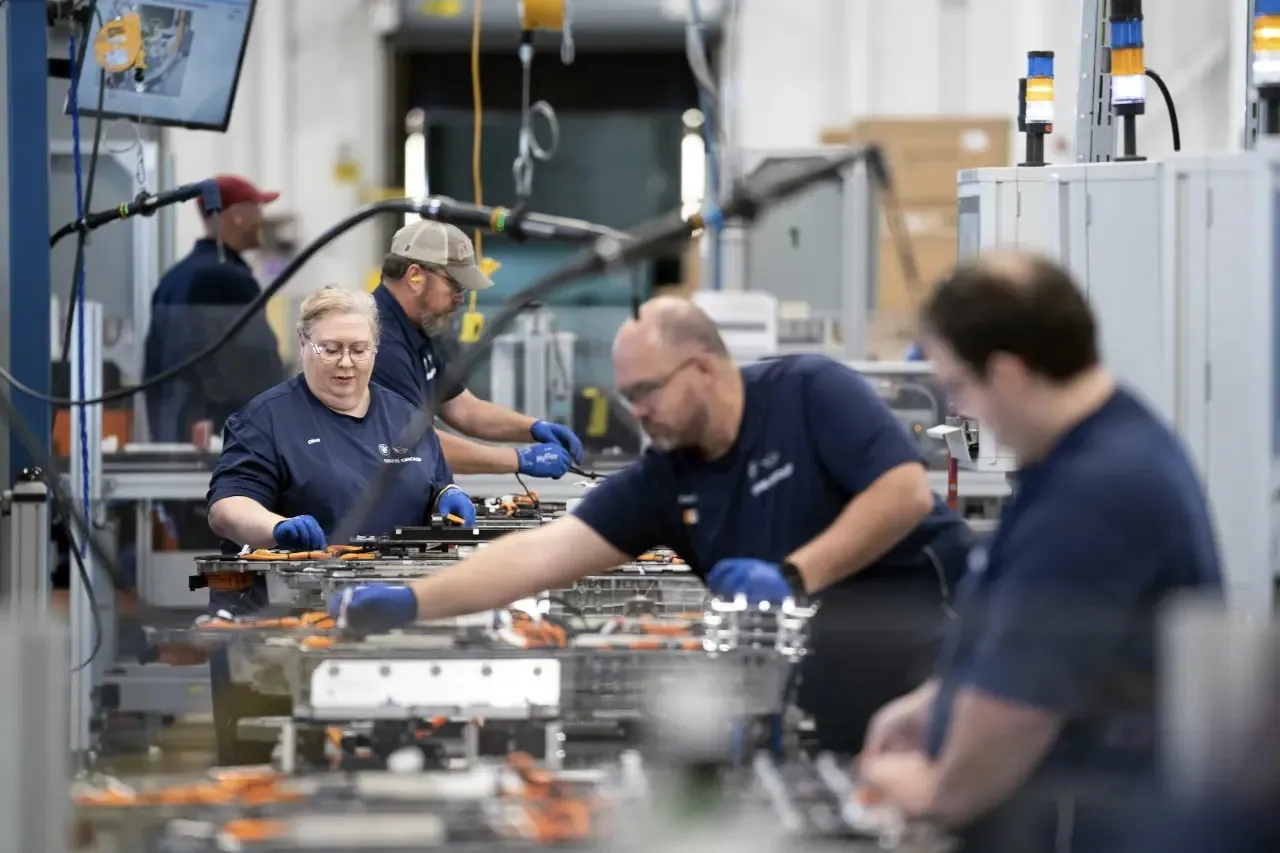
The underlying logic of US new energy differs completely from Korea and Indonesia: it is a technology-led, capital-driven high-end manufacturing market. Although the US has abundant mineral resources, its supply chains are highly globalized, and for years many intermediate manufacturing steps depended on Asia.
The real turning point was the Inflation Reduction Act (IRA). Through large subsidies it strongly stimulates domestic production of energy storage, power batteries and battery materials, with the core aim of reducing dependence on Asian supply chains and building an independent North American supply chain. The IRA is the core engine of reshoring in US new energy manufacturing.
In terms of strengths, US fundamental electrochemistry and new materials research leads the world, and its energy storage market is the world's largest. Demand for residential storage, utility-scale storage and EV batteries remains strong, with heavy investment in advanced powders, solid-state batteries and silicon-carbon anodes.
The weaknesses are equally clear: long construction cycles, high labour costs and expensive plant investment; a large capacity gap in midstream cathode, anode, conductive agent and ultrafine powder processing; and continued reliance on external supply for much equipment and many fine materials. This pattern of having technology but lacking capacity is exactly the window for Chinese equipment makers.
5. Culture: rules first, data speaks

American society has a strong sense of rules and a deep-rooted contract culture. Boundaries are clear, business and personal matters are kept separate, and business communication relies on data, reports and test evidence. Personal relationships carry little weight, and deals are rarely made on relationships alone.
Intellectual property, compliance, safety and environmental standards are the bottom lines of US business, and cutting corners here is very costly. Doing business in the US requires solid test reports, full certifications and clear allocation of responsibilities.
6. Doing business: a completely different approach from Korea and Indonesia

From our experience in the US market, there are five key characteristics:
First, contracts come first and rules outweigh relationships. Unlike Indonesia's reliance on networks or Korea's stage-by-stage validation, US customers look first at contracts, compliance, insurance and qualifications. Responsibilities must be clearly set out in writing, as any ambiguity can trigger later disputes.
Second, standardized validation where third-party certification is king. UL certification, safety certification and third-party material test reports are hard entry requirements. Data compliance and product traceability are never optional, they are mandatory.
Third, professional, lengthy decision chains. Purchasing decisions typically involve specialist procurement, legal and compliance approvals at several levels, with long and rigorous processes. Export controls and origin verification run through the whole cooperation cycle, so compliance capability directly affects project progress.
Fourth, high policy volatility. IRA subsidy rules, tariff adjustments, entity list updates and import and export controls can change at any time with changes of administration and geopolitics. Policy risk is the biggest variable in the US market and calls for strong, dynamic response capability.
Fifth, recognition of technical strength but a strong habit of keeping alternatives. US customers will buy quality equipment and technology if compliance and performance targets are met. But under the influence of de-sinicization, they generally keep backup options in their supply chains, so suppliers must keep proving they are irreplaceable.
7. US new energy leaders and key supply chain companies
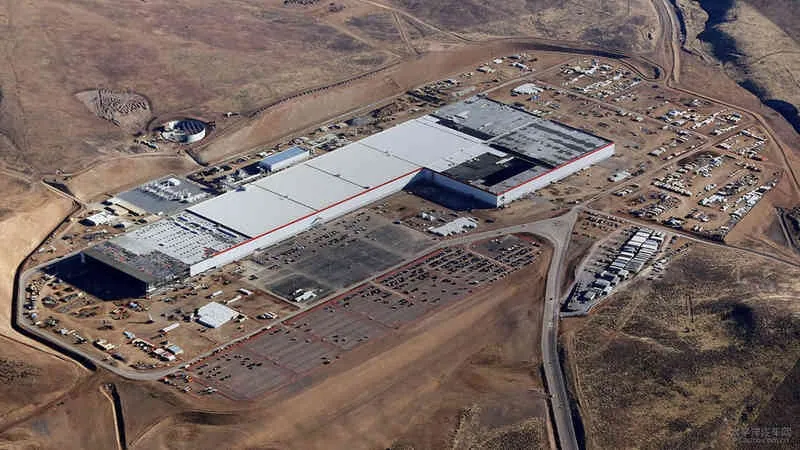
Core domestic players in cells and materials include Tesla, QuantumScape, Redwood Materials, Ascend Elements, ONE and SES, while foreign giants such as Northvolt's US operations and Panasonic's US plants are also firmly established.
Among overseas entrants, CATL has entered the US market through its project with Ford, and Korean giants LG Energy Solution, Samsung SDI and SK On have also built large-scale capacity in North America.
In storage and vehicles, Ford, GM and Chrysler are accelerating electrification, and storage leaders such as Vistra and NextEra Energy keep expanding their projects. The wave of domestic storage and battery capacity expansion in North America continues, and demand for ultrafine grinding, powder dispersion and battery recycling line equipment is steadily emerging.
8. Strong policy intervention
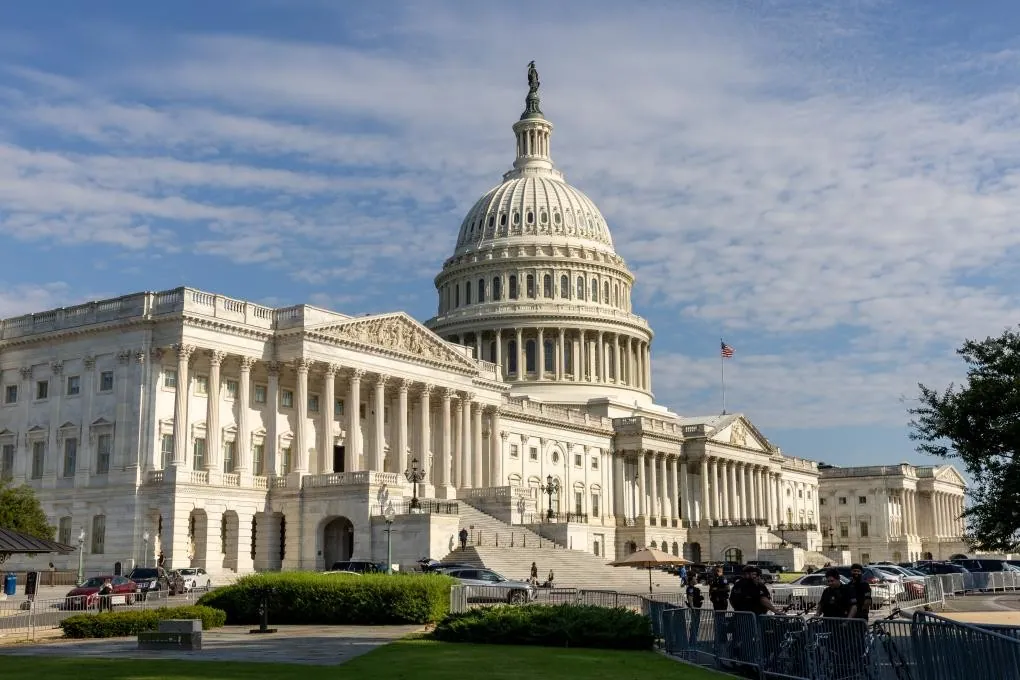
The US is a high-end storage and power battery market with strong policy intervention, very high compliance barriers and huge demand, which tests compliance capability, risk anticipation and local operating ability.
Geopolitics, tariff battles, entity lists and supply chain de-risking are unavoidable realities, and market uncertainty will persist. But North America's large base of storage and EV demand is real, domestic material and battery capacity keeps coming online, and demand for powder processing and wet grinding equipment remains steady.
To enter the US market, compliance comes first: plan origin carefully, build a complete certification system and set up risk isolation in advance. Approaches from Southeast Asia or East Asia cannot simply be copied; a dedicated North American methodology is needed.
9. Our results: equipment shipped to the US and a growing customer base
Although the US market is hard to enter, we have built up a solid base of customers and industry partners there. Since 2025 our grinding equipment has been shipped to and installed in the US, gradually opening up niches such as energy storage materials and battery recycling.
We have moved steadily at every step, because we believe that the higher the barriers of a market, the deeper the moat once you are truly in. The barriers in the US are real, but behind them lie stronger customer loyalty and longer-term commercial value.
10. Event invitation: The Battery Show North America in Detroit, October
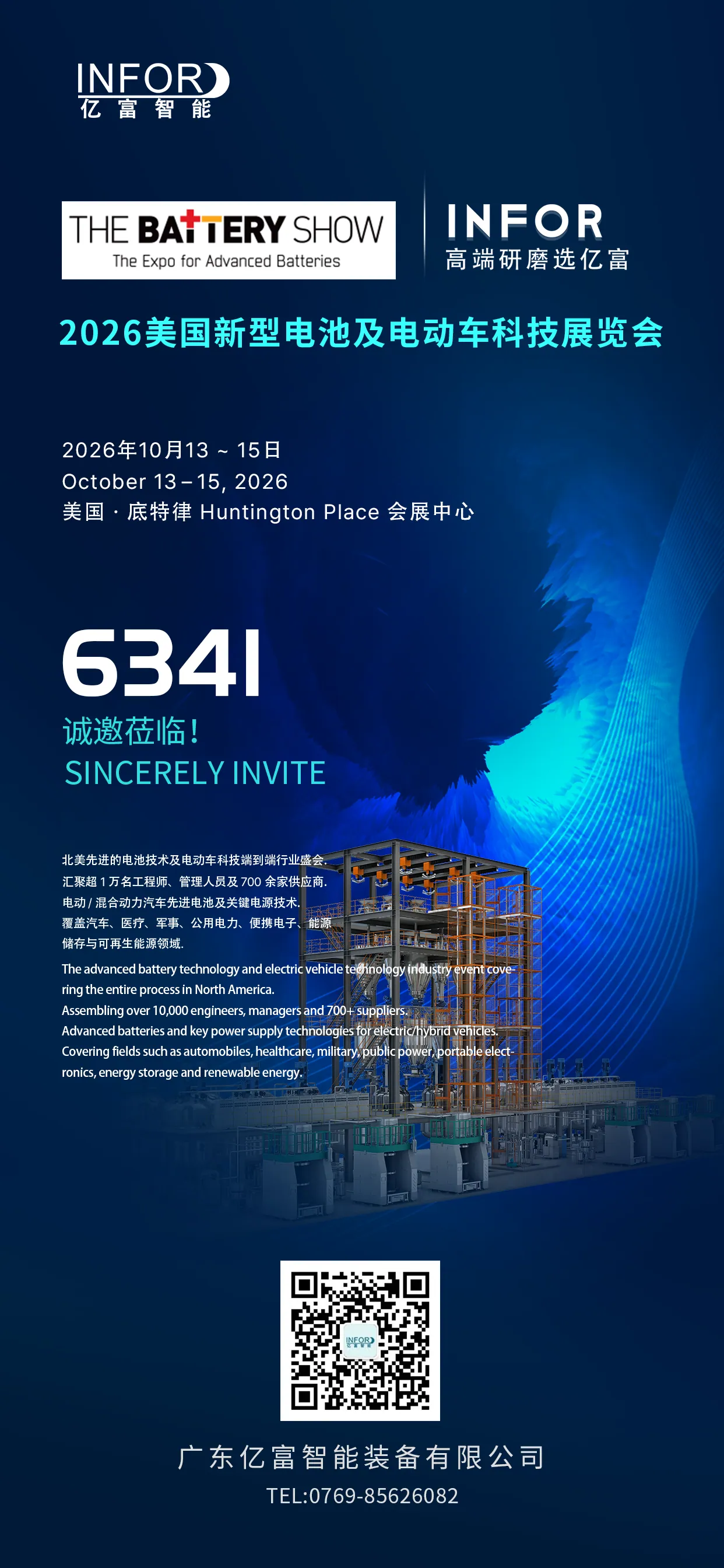
Finally, an important invitation:
From 12 to 15 October 2026 we will again exhibit at The Battery Show North America in Detroit.
It is one of the largest and most influential professional exhibitions in North American new energy, bringing together core companies, technical experts and purchasing decision-makers from across the global battery supply chain. We will present our latest grinding equipment technology and North American case studies.
We look forward to meeting old friends and new partners in person to discuss the latest North American storage and battery material projects and explore new opportunities. See you in Detroit!