A forecast in a recent in-depth industry report has sparked wide discussion: by 2030, Chinese companies will hold 98% of the global market for lithium iron phosphate (LFP) cathode material. This is not clickbait but a reasoned projection based on capacity, technical barriers and cost curves. Here is where that dominance comes from.
Five years ago NCM batteries were standard in premium EVs and nickel and cobalt prices were soaring. As the EV market moved from policy-driven to market-driven, LFP's underlying advantages came to the fore. It needs no imported nickel or cobalt; phosphorus and lithium are abundant in China with mature mining and processing, so supply is secure and costs are controllable, LFP cells now cost more than 20% less than NCM. Its olivine structure does not readily release oxygen during thermal runaway, so it hardly catches fire in nail penetration and overcharge tests, and its cycle life of over 2,000 cycles is more than double that of NCM. These traits make LFP the first choice not only for A-segment cars and heavy commercial trucks but for energy storage stations, Southeast Asian e-motorbikes and low-speed EVs, safe, durable and cheap. Major automakers worldwide have switched entry and mid-range models to LFP, and its dominance is now unshakeable.
China's lead in LFP is not just scale. From ferrous oxalate and carbothermal reduction to new liquid-phase synthesis, leading Chinese producers have moved to fourth-generation high-compaction, high-rate products, with powder compaction density above 2.6 g/cm³ and low-temperature performance nearly 40% better than early products. What really leaves overseas competitors behind is equipment and engineering capability, nano bead mills, large spray dryers and automated roller kiln sintering lines, all designed, built and controlled domestically.
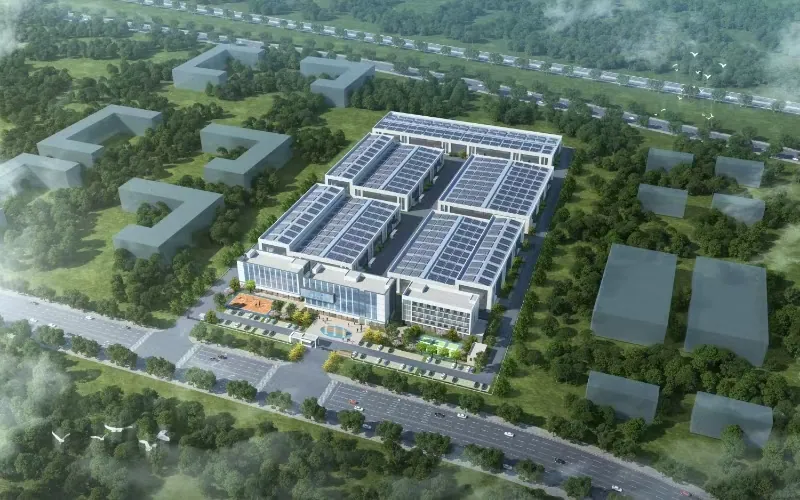
By 2025 China had built more than 4 million tonnes a year of LFP capacity, over 90% of the global total. Domestic price wars have pushed leaders to extreme cost efficiency and created a strong drive to expand abroad. Europe, North America and Southeast Asia are the new map for Chinese LFP plants, CATL's Michigan plant with Ford, Gotion's 200,000-tonne base in Morocco, EVE's European centre in Hungary, Huayou's projects in the UAE, and overseas LFP lines delivered by equipment makers such as INFOR in Korea, Indonesia, the US, Oman, the UAE and India, all using a complete export model of Chinese technology, equipment and management. By 2030, locally built overseas LFP capacity is estimated at less than 5% of the global total, while Chinese subsidiaries and joint ventures abroad will provide more than 93% of new supply. In other words, much of that 98% share is Chinese capital manufacturing abroad, not simple exports.
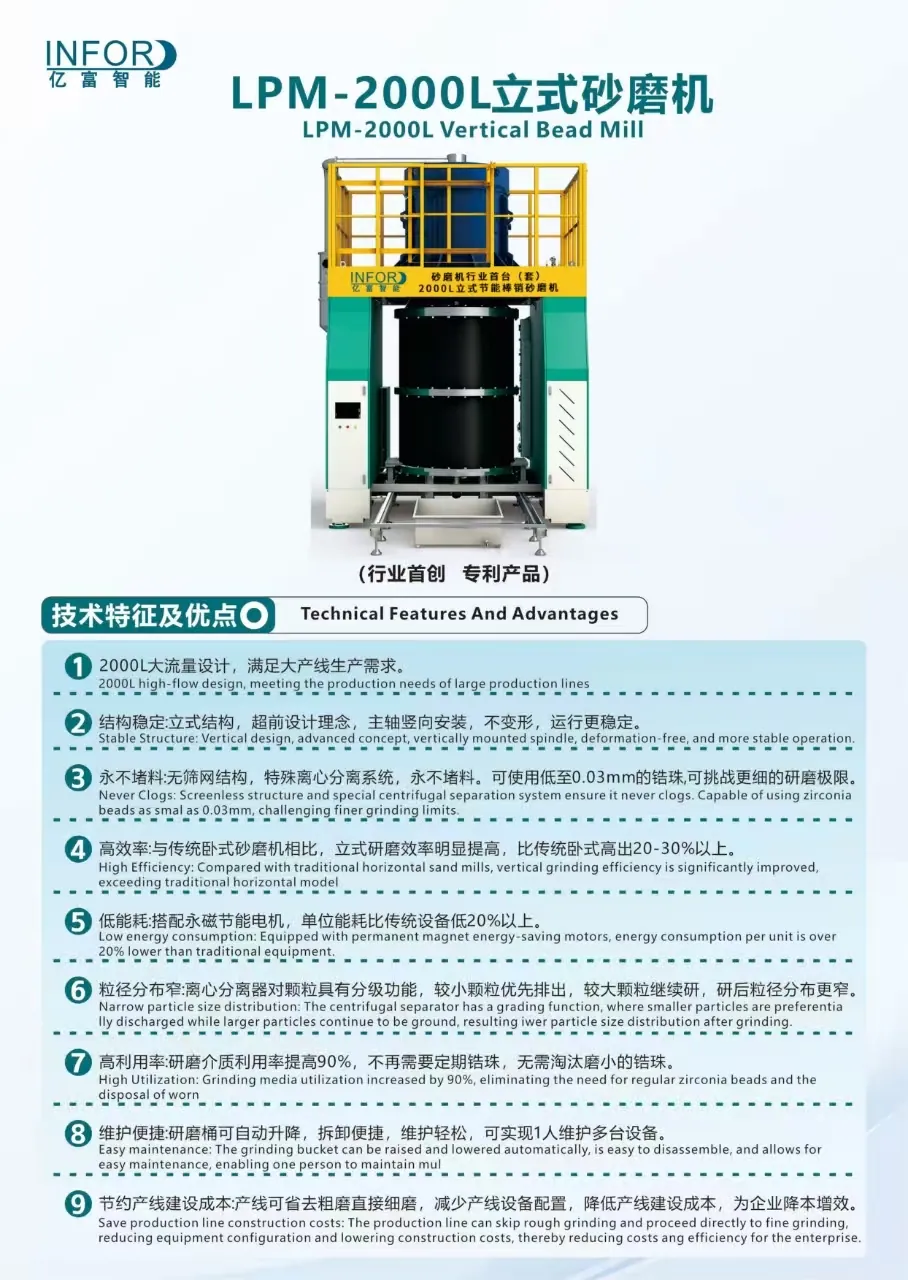
Analysts are confident in the 98% forecast because of three irreversible structural barriers. First, integration of resources and processing: phosphate mining, purification, iron phosphate synthesis and lithium carbonate refining form industrial clusters in China, and any new overseas entrant faces raw material costs more than three times higher. Second, coupling of process and equipment: Chinese equipment makers have commissioning data from dozens of 10,000-tonne lines and can quickly adapt to different ores and formulations, integrated hardware-software optimization that overseas integrators cannot replicate. Third, the scale-cost flywheel: China's overall LFP manufacturing cost is about 35% below Europe and the US, and as single-line capacity rises from 20,000 to 50,000 tonnes the gap will widen. Europe and the US have subsidy laws for local supply chains, but without strong pull from local vehicle and storage markets there are not enough orders for mass-production validation, and without that, no mature workforce or maintenance teams, a vicious circle that is hard to break.
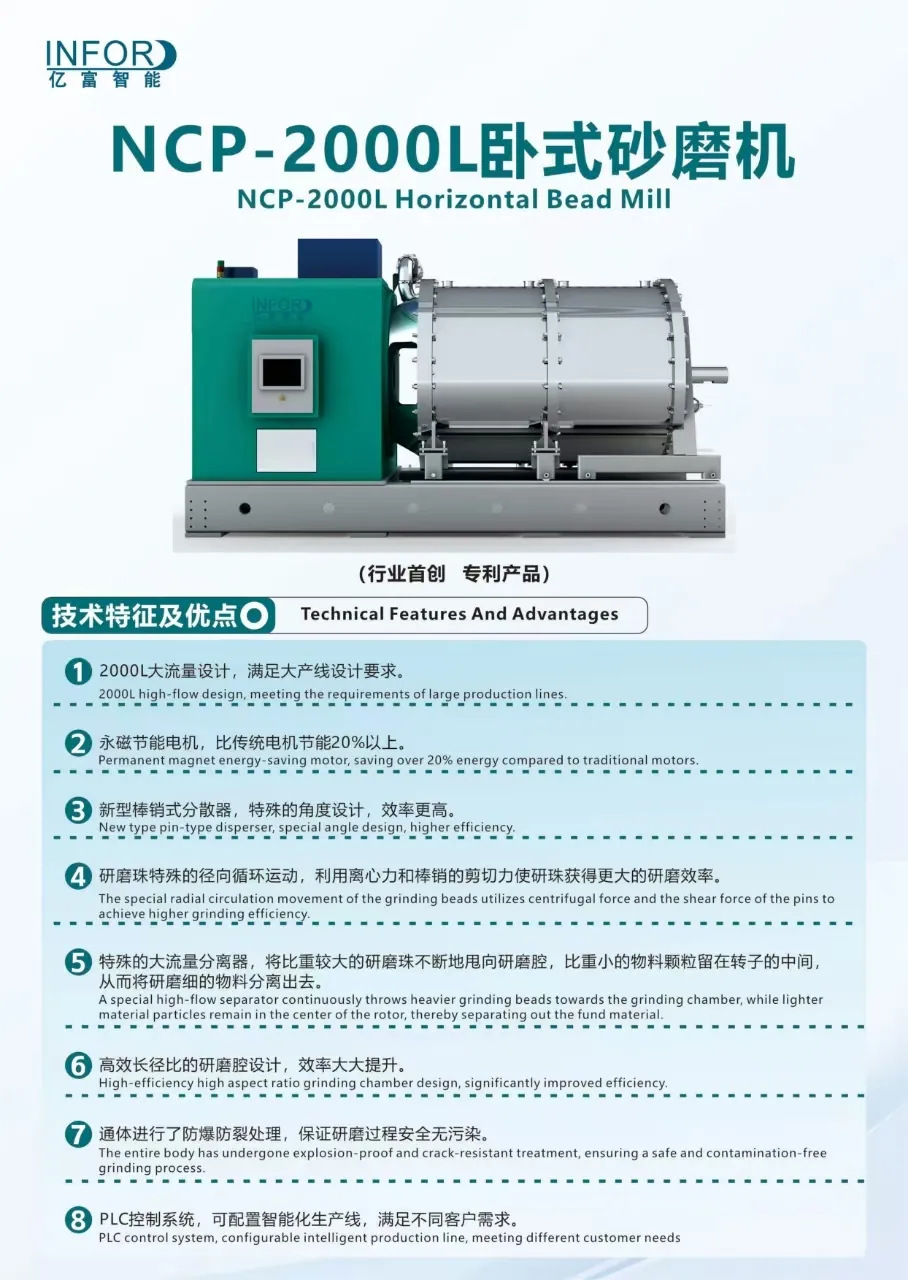
With pricing power come orders. For materials companies, equipment makers and line service providers, the dividend of global electrification and storage is flowing upstream from end brands. With a strong reputation built over years of LFP bead mill system lines, serving many industry leaders and state-owned enterprises in China and among the first to deliver projects in several countries, INFOR is at the forefront of this wave of capacity export. Overseas customers need not just single machines but stable performance across the whole process from feeding, grinding and dispersion to finished product. INFOR's line experience adapts quickly to different raw materials and environmental requirements, and continued R&D keeps our bead mill systems compatible with next-generation processes such as LMFP and sodium-ion cathodes.
Over the next decade the global LFP map will be defined by China. INFOR will continue to pave the way to overseas markets for every partner with strong equipment and flexible service. The wave is here, are you ready to set sail with us?