Wet grinding & dispersion
Bead Mills for Nano Wet Grinding
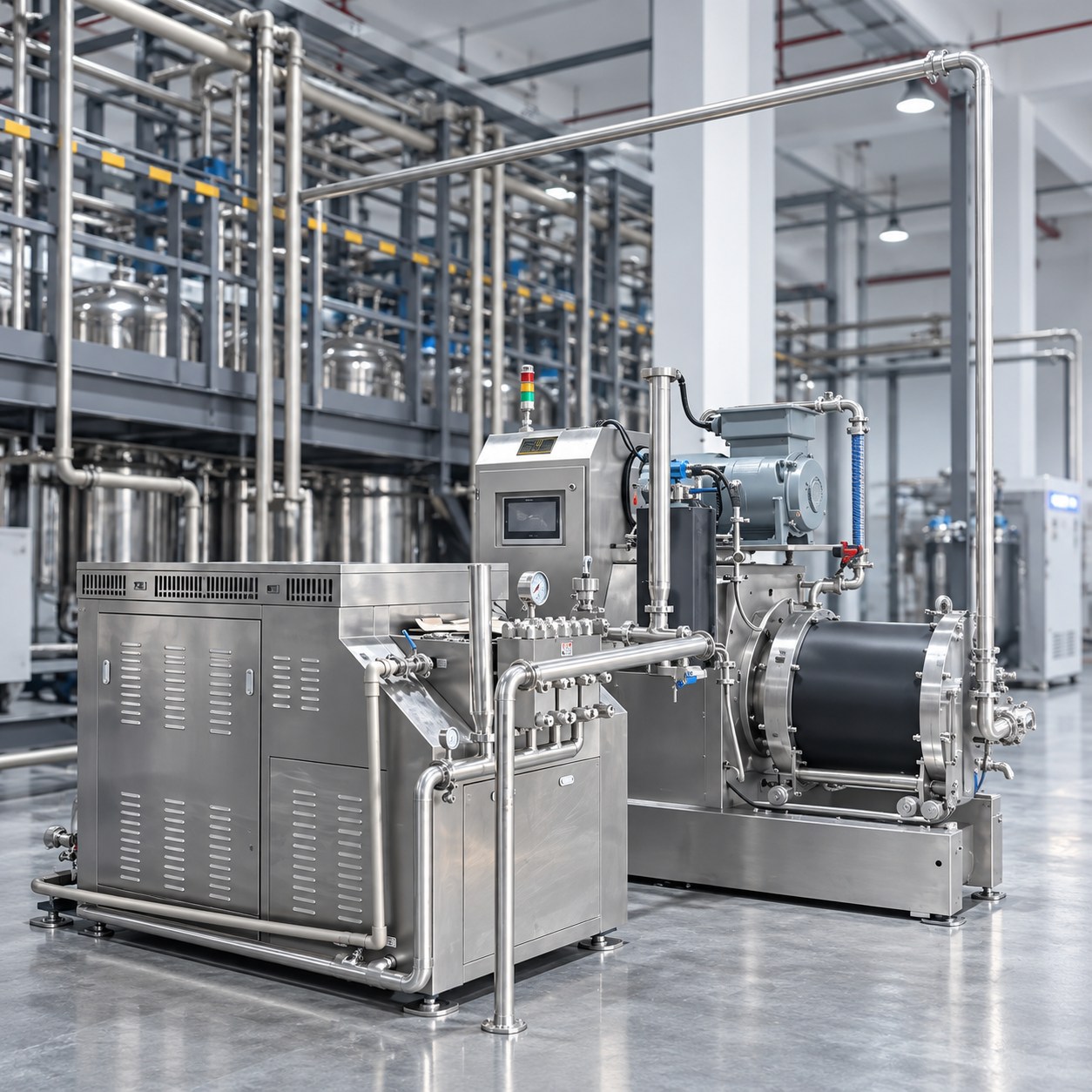
A bead mill (also called a sand mill) is a wet grinding machine: a rotor drives small zirconia beads that break particles in a liquid slurry down to 30 nm–20 µm. To choose one, start from target fineness: vertical screen-free mills for sub-100 nm, horizontal turbine or pin mills for 100 nm–1.5 µm, disc mills for micron coatings.
- 30 nm–20 µm
- Model-dependent fineness
- Lab to Production
- Scalable equipment options
- Multiple Rotor Designs
- Match your application
Find Your Bead Mill
Explore our core mill designs for different grinding requirements.
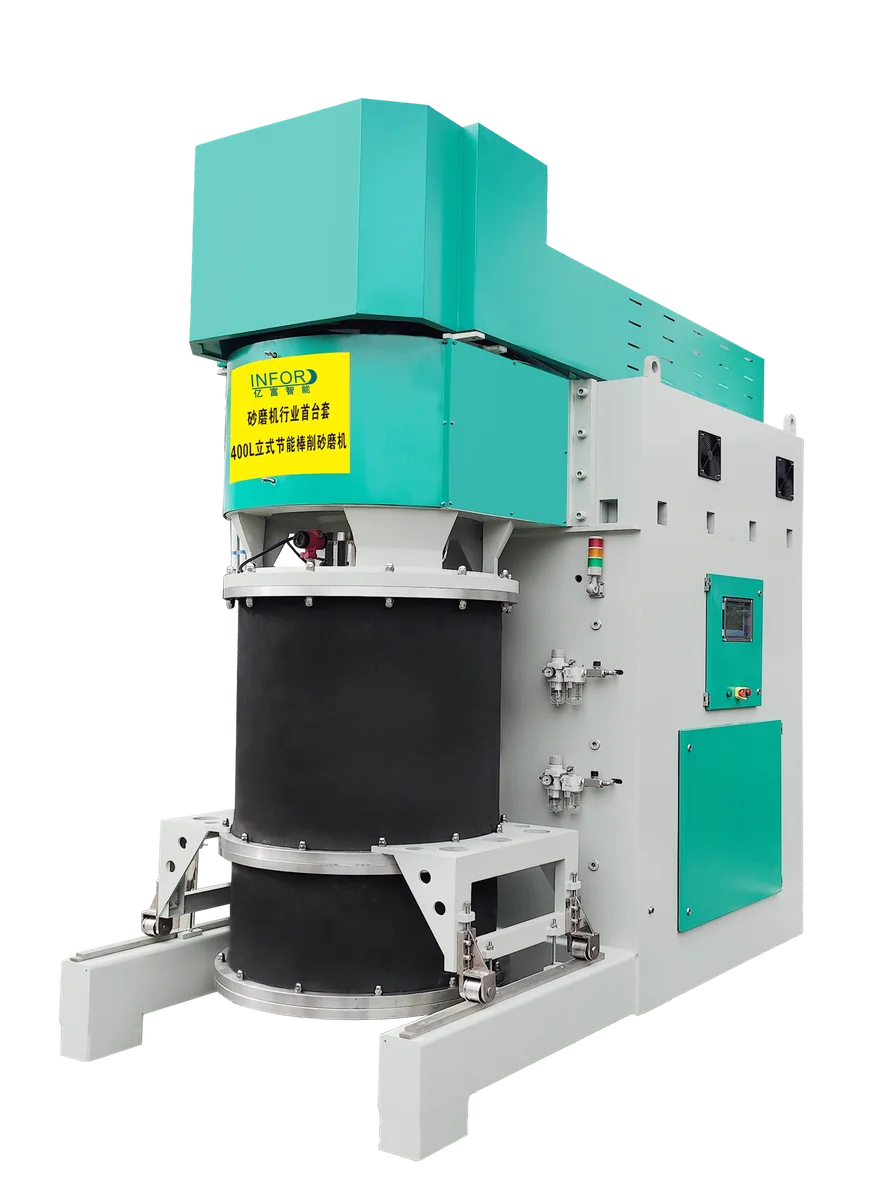
LPM Vertical Bead Mill
- Fineness
- 30–1000 nm
- Grinding media
- 0.05–2.0 mm
Screen-free centrifugal discharge
View Equipment: LPM Vertical Bead Mill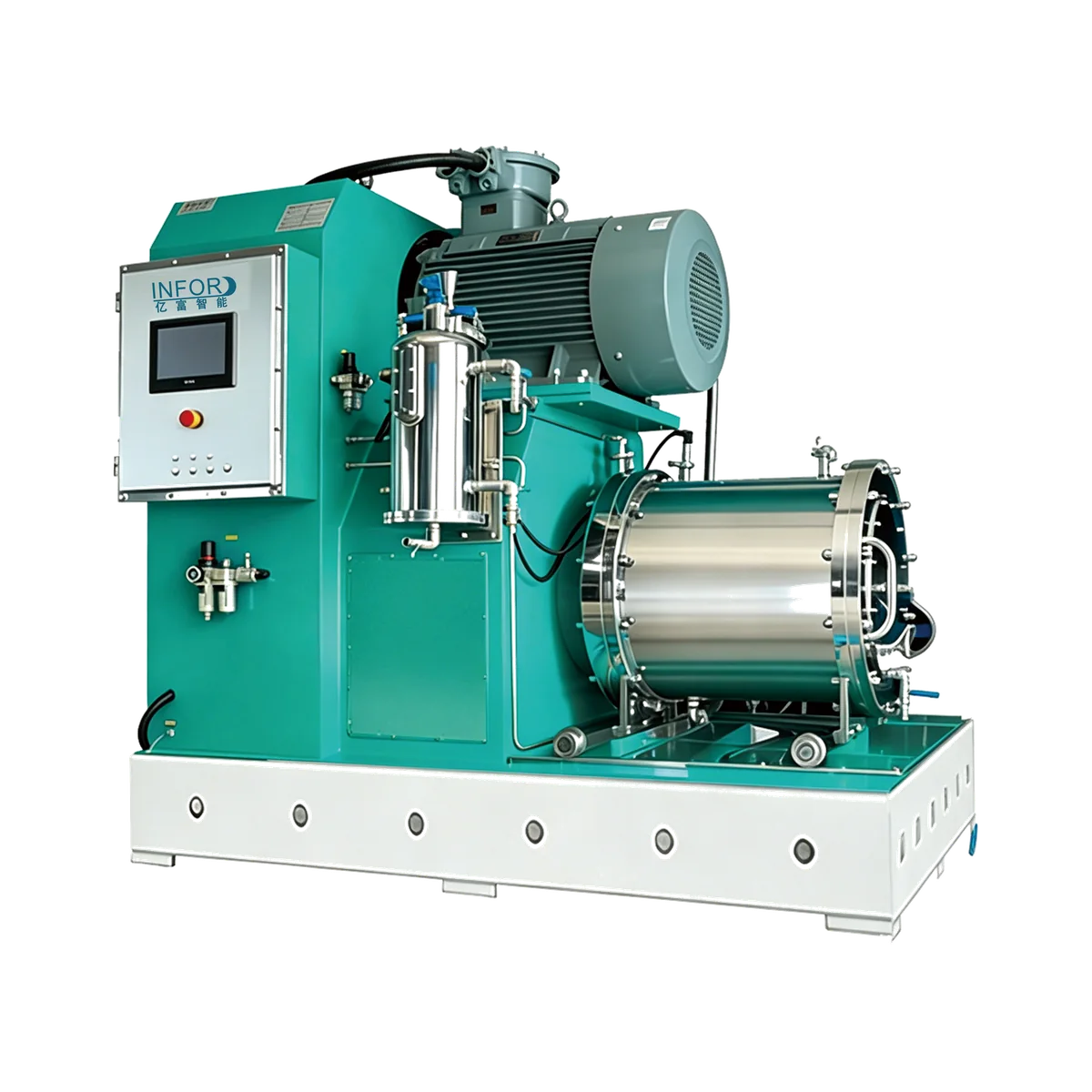
NCT Turbine Bead Mill
- Fineness
- 100–1500 nm
- Grinding media
- 0.2–2.0 mm
Turbine rotor with ceramic chamber
View Equipment: NCT Turbine Bead Mill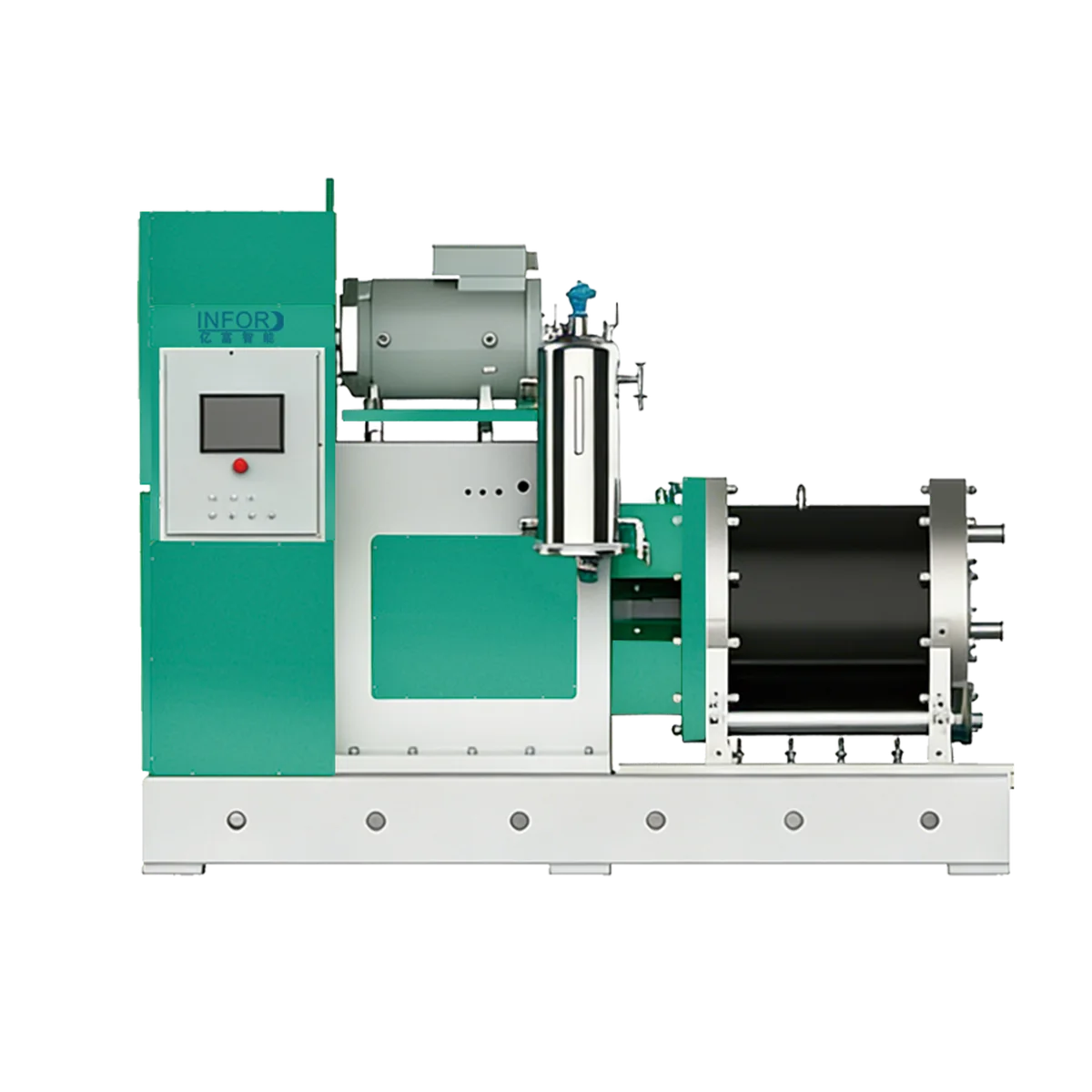
NCP Pin Bead Mill
- Fineness
- 100–1500 nm
- Grinding media
- 0.2–2.0 mm
Pin-rod rotor for production throughput
View Equipment: NCP Pin Bead Mill
Where Bead Mills Are Used
Typical applications and the mill designs that suit them.
Battery Materials
LFP, LMFP, sodium-ion cathodes and silicon-carbon anodes need tight particle size distribution for tap density and rate performance.
CNT Conductive Paste
CNT dispersion needs enough energy to de-bundle tubes without shortening them.
Coatings, Inks & Pigments
Paints, printing inks, color pastes and UV systems are usually ground to micron or sub-micron fineness, where disc and disc-pin agitators give stable, economical dispersion.
Advanced Ceramics
Barium titanate, alumina, zirconia and electronic ceramic slurries call for ceramic-lined chambers to keep metal contamination out of the product.
Compare Bead Mill Specifications
Specifications vary by model. Confirm suitability through a grinding trial.
| Bead mill | Structure | Grinding fineness | Grinding media | Best for |
|---|---|---|---|---|
| LPM Vertical Bead Mill Series | Vertical, screen-free centrifugal discharge | 30–1000 nm | 0.05–2.0 mm | Sub-100 nm targets with 0.05–0.1 mm micro-beads; LFP, sodium and silicon-carbon materials |
| NCT Turbine Bead Mill Series | Horizontal, turbine rotor, ceramic chamber | 100–1500 nm | 0.2–2.0 mm | High-energy nano dispersion with narrow distribution; CNT, nano ceramics, inkjet |
| NCP Pin Bead Mill Series | Horizontal, pin-rod rotor | 100–1500 nm | 0.2–2.0 mm | High-throughput battery slurries: LFP, LMFP, carbon black, separator coating |
| Vertical Dual-Power Bead Mill Series | Vertical, dual-power drive | 50–2000 nm | 0.03–2.0 mm | Wide fineness window and difficult, high-viscosity slurries |
| Horizontal Dual-Power Bead Mill Series | Horizontal, dual-power drive | 100–1500 nm | 0.05–2.0 mm | Flexible production across battery, coating and ceramic slurries |
| Disc Bead Mill Series | Horizontal, disc agitator | D50 100 nm – 20 µm | 0.3–2.0 mm | Coatings, inks and pigments from D50 100 nm to 20 µm |
| Disc Pin Bead Mill Series | Horizontal, disc-pin agitator | 300–1500 nm | 0.3–2.0 mm | Temperature-sensitive materials and fine dispersion |
| Experimental Vertical Bead Mill | Laboratory, vertical | 30–1000 nm | 0.03–1.0 mm | R&D and scale-up trials before choosing a production mill |
| Experimental Horizontal Bead Mill | Laboratory, horizontal | 100–1500 nm | 0.1–2.0 mm | Very small batches and fast formulation screening |
Browse by category
Start with a laboratory model to test your material, then scale up on a production model.
Laboratory models
Small-volume mills for formulation development, small-batch testing and process validation before scale-up.
Production models
Bead mills (sand mills) for continuous industrial output.
How to Choose a Bead Mill
The fastest way to a reliable choice is a grinding trial on your own material: INFOR measures fineness, energy and throughput on a lab mill and sizes the production mill from those results.
Target Fineness
Below about 100 nm usually needs micro-beads (0.05–0.1 mm) and a screen-free vertical mill that can retain them. From 100 nm to 1.5 µm, horizontal turbine and pin mills are the workhorses. Micron-range coatings and inks are economical on disc mills.
Viscosity & Flow
High-viscosity slurries such as CNT paste need a rotor and discharge designed for high flow without blocking.
Throughput
Lab mills from 0.3 L validate the process; production chambers scale from tens of litres to 1,000 L and above, alone or in complete lines.
Contamination
Battery and electronic materials typically need ceramic-lined chambers and rotors to keep metal out of the product.
Temperature
Heat-sensitive formulations favour designs with efficient cooling and lower energy density, such as disc-pin mills.
Not sure which design fits your material?
Talk to Our Engineers
What Is a Bead Mill?
A bead mill is a wet grinding and dispersion machine. Its chamber is filled with small grinding beads, usually zirconia between about 0.03 mm and 2.0 mm. A rotor — turbine, pin, disc or a vertical agitator — accelerates the beads, and the impact and shear between them break down particles suspended in a liquid slurry.
Bead mill and sand mill are two names for the same machine. The first machines used natural sand as grinding media, so “sand mill” became the common name, especially in China and across Asia. Today the media are engineered ceramic beads, and “bead mill” is the more common term internationally. INFOR product names use “bead mill” and list “sand mill” as the alternative name.
Feed the Slurry
A pump feeds the particles suspended in liquid into the grinding chamber.
Grind with Ceramic Beads
A rotor accelerates zirconia beads of about 0.03–2.0 mm; impact and shear between them break the particles down.
Separate and Discharge
A separation system keeps the beads inside while the ground product flows out.
Bead Mill FAQ
Yes. Both names describe the same agitated media mill. Early machines used natural sand as the grinding media, so “sand mill” stuck, especially in Asia. Modern machines use ceramic beads such as zirconia, so “bead mill” is now the more common international term.
It depends on the mill and the bead size. INFOR vertical screen-free mills with 0.05–2.0 mm zirconia beads reach 30–1000 nm; horizontal turbine and pin mills typically work in the 100–1500 nm range; disc mills cover D50 100 nm to 20 µm.
Choose a vertical screen-free mill when you need very small beads (below 0.1 mm) and nano fineness without screen clogging. Choose a horizontal turbine or pin mill for high flow, continuous production and a broad fineness window. A laboratory trial on your own material is the reliable way to decide.
Most nano and sub-micron applications use yttria-stabilized zirconia beads from about 0.03 mm to 2.0 mm. Smaller beads give finer results but need a mill whose separation system can retain them.
Yes. INFOR runs grinding trials on laboratory mills (from 0.3 L) and uses the results to size the production mill and scale up the process.
Start with Your Material
Share your material, target fineness and production requirements. Our team can help you plan a grinding trial and select suitable equipment.
Request a Grinding Trial