Many people in foreign trade and new energy often confuse India and Indonesia. In geography, demographics, economic system, new energy industry logic and business approach, the two countries are completely different arenas. Today we take a full look at Indonesia's fundamentals.
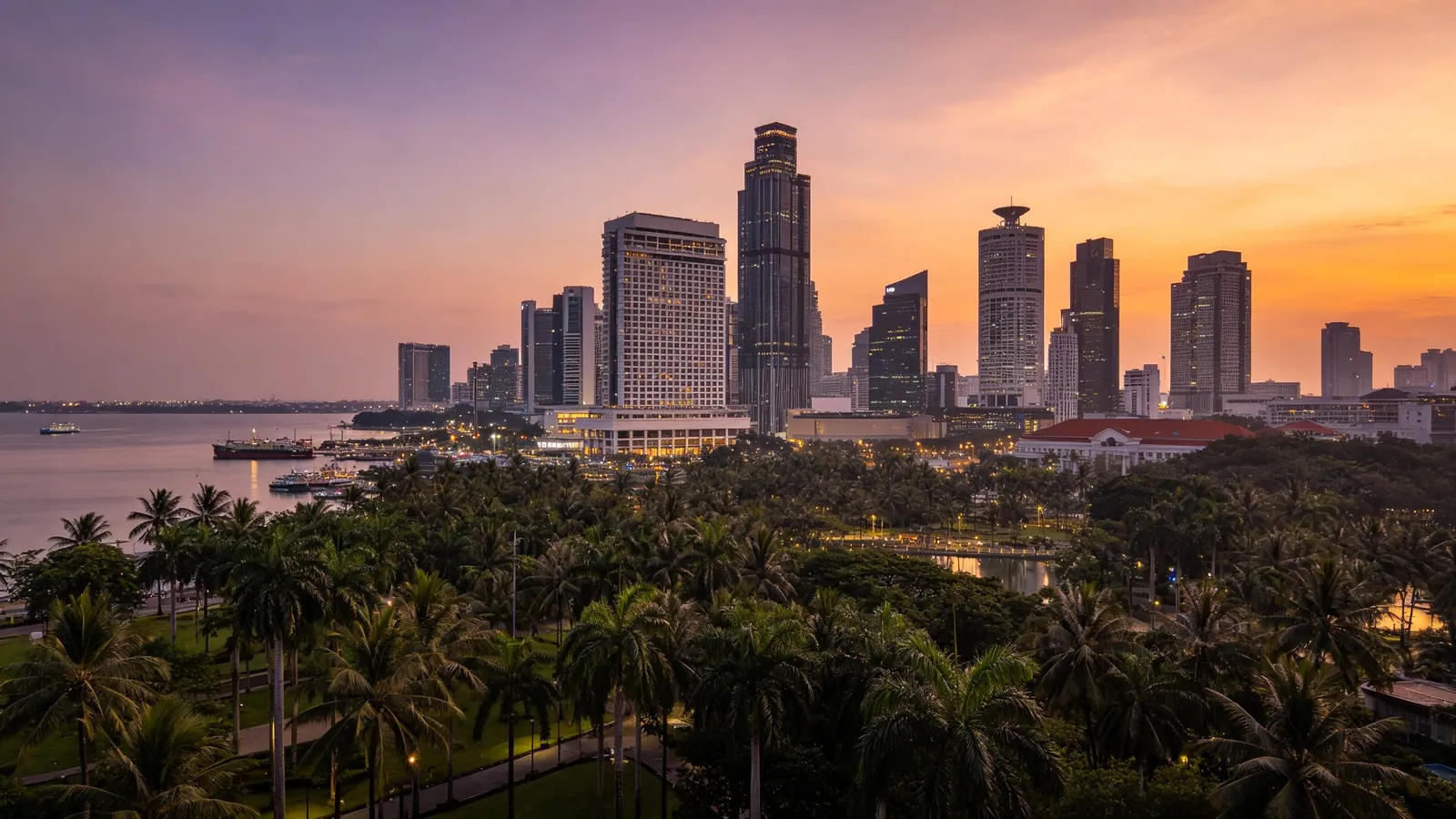
1. Geography: a nation of islands and the largest country in Southeast Asia
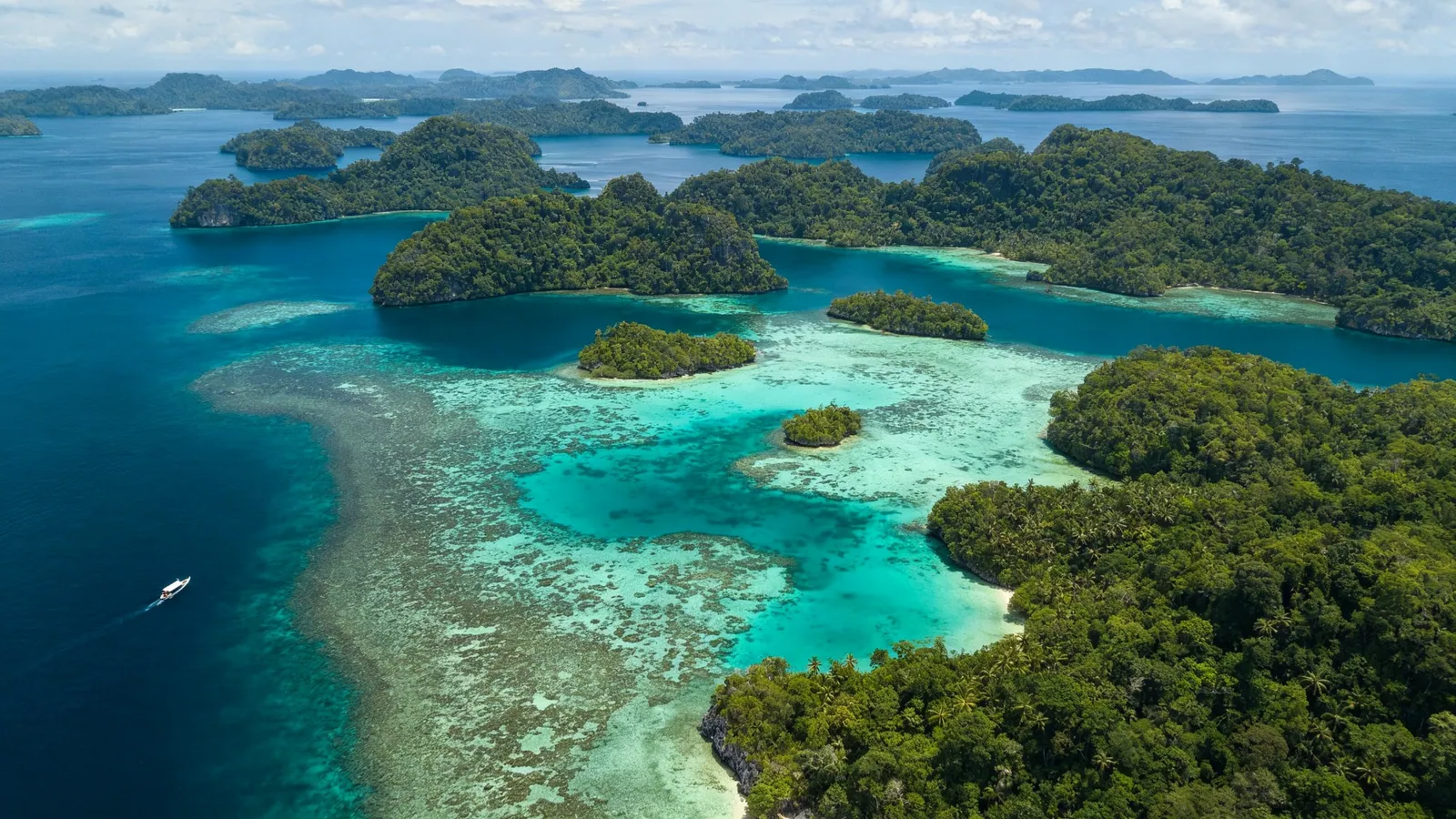
Indonesia lies in the Malay Archipelago of Southeast Asia, straddling the equator, and consists of more than 17,000 islands, the world's largest archipelagic state. The five main islands of Sumatra, Java, Kalimantan, Sulawesi and Papua form the backbone of the country, which is surrounded by sea and rich in port resources.
With a land area of about 1.914 million square kilometres, it is the largest country in Southeast Asia. This geography gives Indonesia a natural strategic advantage in maritime trade and resource transport, and laid the physical foundation for it to become ASEAN's economic leader.
2. Demographic dividend: a young market of 284 million, the opposite of Korea
Indonesia's population of about 284 million ranks fourth in the world after India, China and the United States, making it by far the most populous country in Southeast Asia.
The contrast with Korea is striking. Korea has the world's lowest fertility rate, a population of 51.1 million, severe ageing and a shrinking young workforce. Indonesia is the opposite, a huge, very young population with abundant working-age labour and a demographic dividend now being released on a large scale.
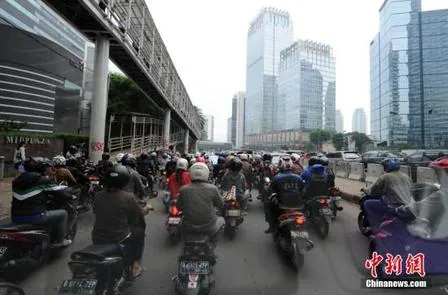
Indonesia is also the country with the world's largest Muslim population, with diverse ethnic cultures and a broadly tolerant society. Its urbanization rate has only just passed 60% and is rising fast, which means huge room for domestic demand and growing manufacturing employment. For a rapidly urbanizing country of 284 million, demand for new energy infrastructure, power batteries, electric two-wheelers and energy storage is visibly exploding.
3. Economy: ASEAN's largest economy with steady growth momentum
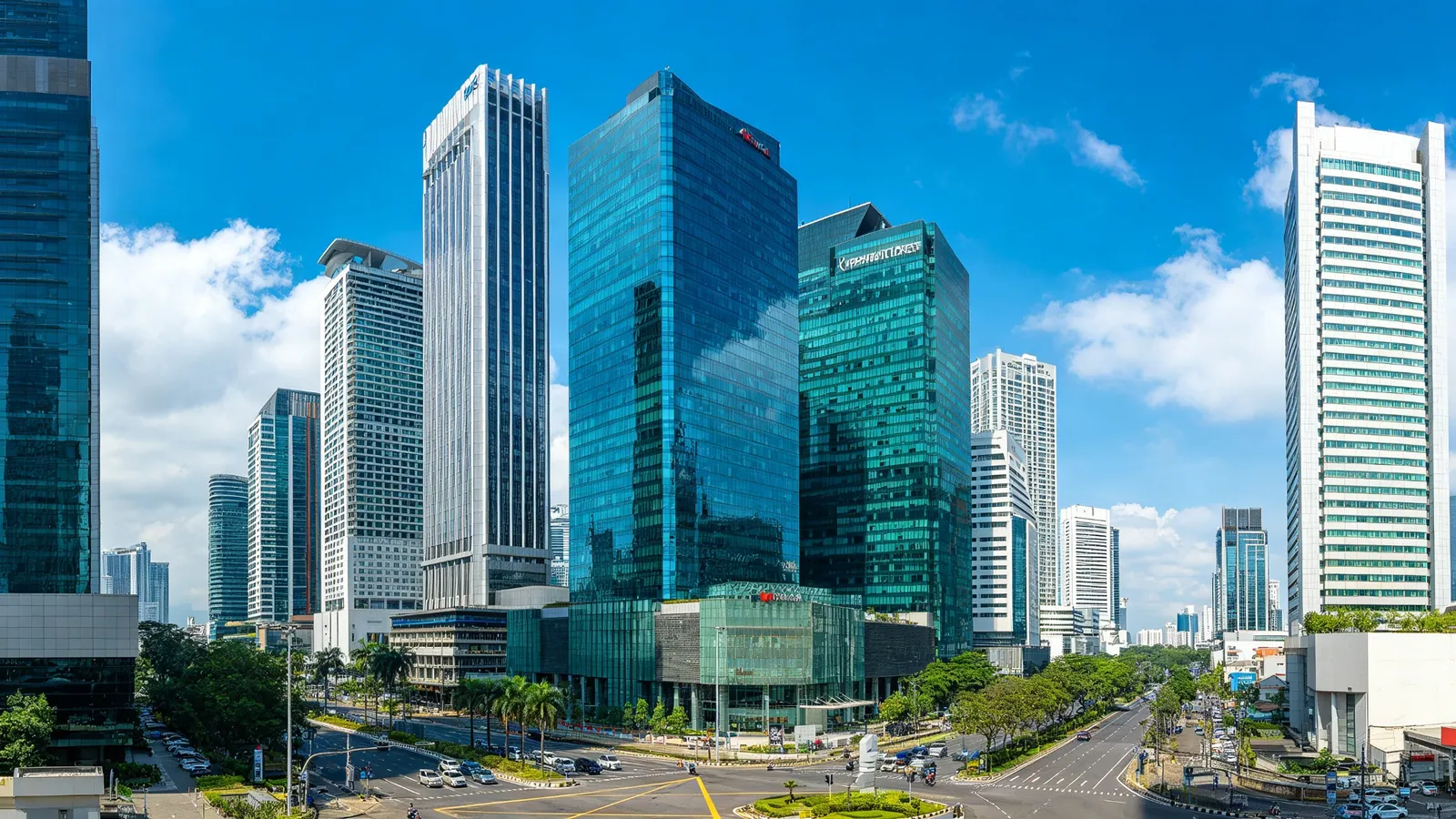
In 2025 Indonesia's GDP was about USD 1.4 trillion, firmly the largest in ASEAN. GDP growth has held around 5% for years, placing it among the high-growth group of major economies.
Per capita GDP is rising steadily and the market has strong momentum. For new energy companies going abroad, this means two things: the market has plenty of room to grow, and the drive for policy and industrial transformation is strong.
4. Industry: a resource-based economy, the opposite of Korea
If Korea is the classic example of a country with no resources that relies on high-end manufacturing exports, Indonesia is the model of a resource-blessed country.
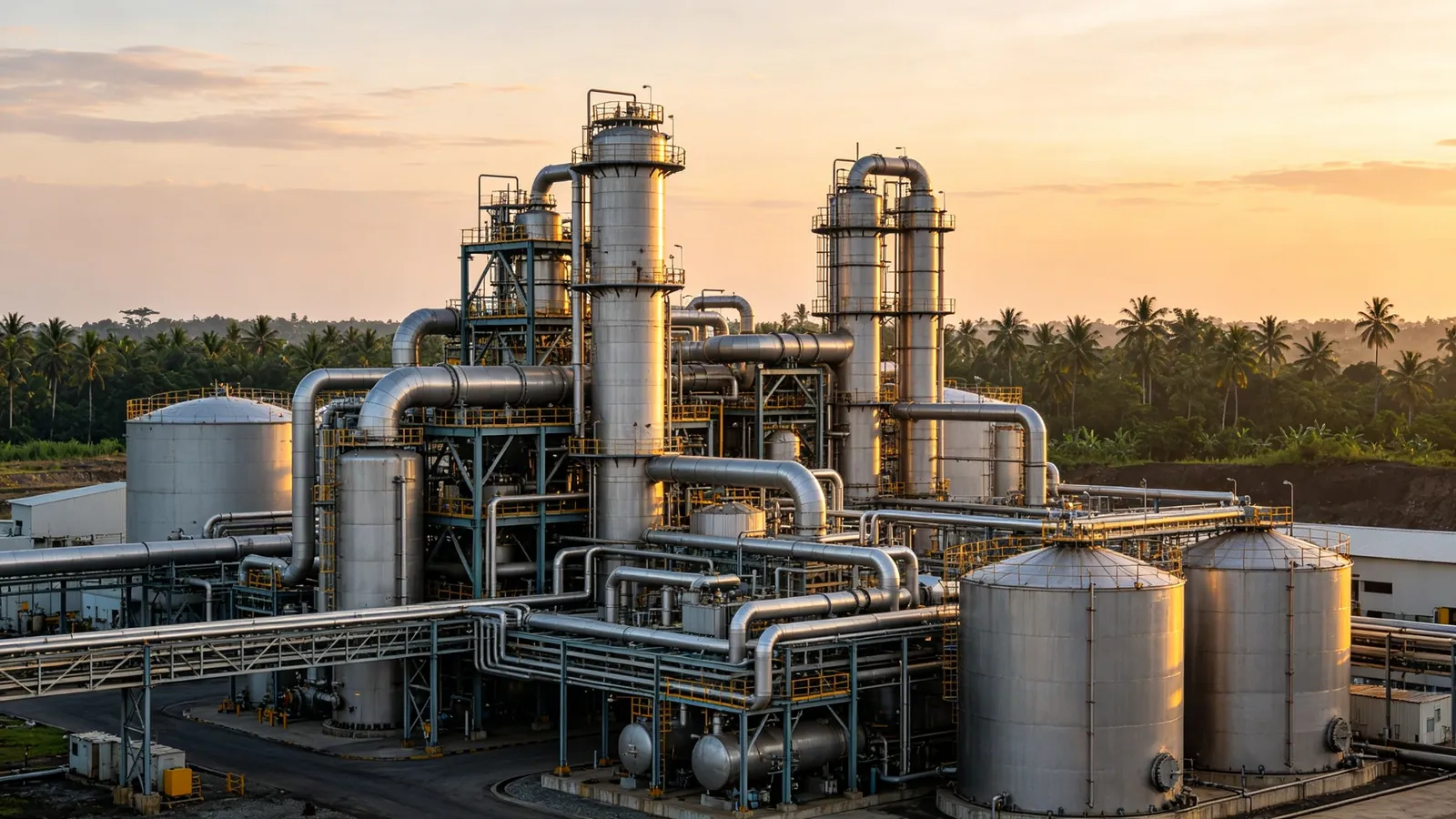
Indonesia's biggest advantage is world-class mineral resources, especially nickel. It ranks first in the world in both nickel reserves and production, with more than 20% of global nickel reserves, and is also rich in copper, bauxite, tin and coal.
But resources alone are not enough. The move that truly changed the global new energy landscape was Indonesia's forceful mineral downstreaming policy. From 2020 the government progressively banned exports of raw nickel ore, requiring all minerals to be smelted and processed domestically into high-value products such as precursors and cathode materials before export.
This policy reshaped the upstream supply chain for NCM lithium batteries worldwide. In recent years large numbers of nickel smelting, precursor and high-nickel cathode projects have flocked to Indonesia. Leading companies such as Tsingshan, Huayou Cobalt, GEM, CNGR, Brunp and CATL have built large production bases there, while Korean giants LG Energy Solution, POSCO Future M, Ecopro, Samsung SDI and Hyundai Motor have also entered, creating a pattern of competition and cooperation between Chinese and Korean camps in Indonesia's upstream new energy sector.
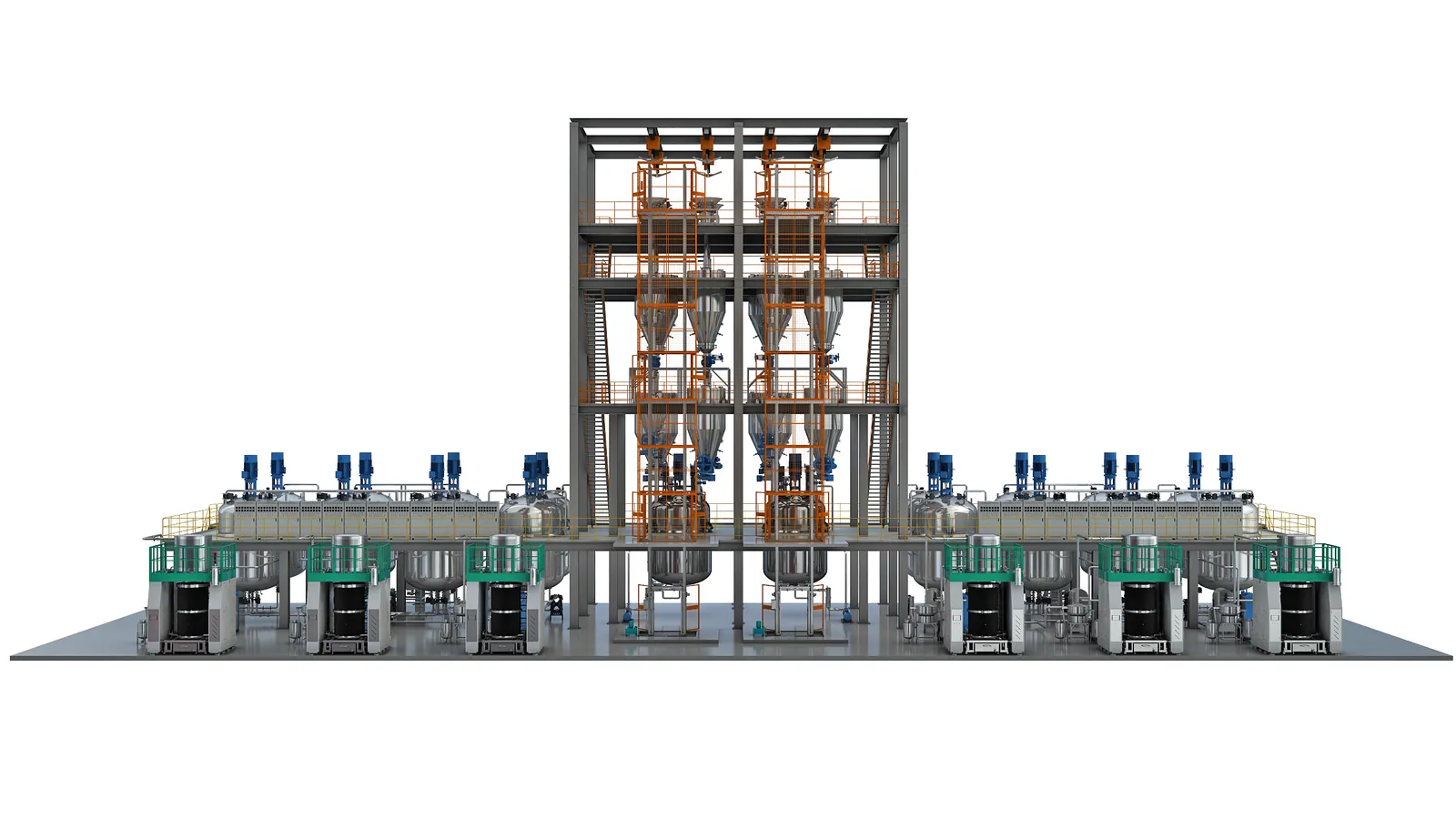
Indonesia has become the core global upstream base for NCM batteries, and the whole chain from nickel and cobalt smelting to precursors and cathode materials is expanding rapidly. What does this mean for us? Demand for powder processing and grinding and dispersion equipment is growing explosively.
To be objective, Indonesia's supply chain is still weighted toward upstream primary processing. High-end fine chemicals, precision equipment, key auxiliary materials and advanced process technology remain highly dependent on imports, and high-end processing is a clear weakness, which is exactly the window for Chinese equipment makers going abroad.
5. Culture: trust before contracts, relationships before business
Unlike Korea's intensity and fast pace, Indonesian society is generally gentle, tolerant and courteous, with strong religious faith. People are modest, the pace is moderate and manners are polite.
Doing business in Indonesia, one principle must be remembered: trust matters more than contracts. Koreans focus on contract clauses and precise wording; Indonesians value the warmth of personal relationships and the depth of long-term ties. A contract is written on paper, but trust is written in the heart. Build the relationship first, then the business, once the relationship is right, the durability and flexibility of cooperation go far beyond the contract terms.
Socializing, shared meals and personal exchanges are part of normal business. Matters settled over a dinner table in Jakarta often achieve more than three days of meetings. Indonesian partners value sincerity, stability and a long-term approach; a hasty attitude of signing a contract and leaving rarely gets far.

6. Doing business: a completely different approach from Korea
From our on-the-ground experience, the Indonesian market differs from Korea in five key ways:
First, trust and personal relationships come first. Korea values systems and data; Indonesia values networks and reputation. When the relationship is right, cooperation lasts, customers will introduce you to new customers, and word of mouth is extremely powerful.
Second, a different validation logic. Korea uses extremely rigorous stage-by-stage testing, samples, pilot and mass production, while Indonesia places more weight on reference cases, delivered results and peer reputation. Good data from another company's line is worth more than any slide deck, and with proven projects you can win new customers much faster.
Third, relatively flexible decision-making, but close government-business ties. Korean decision chains are long and hierarchical; Indonesia is more flexible but depends more on government relationships and industrial park resources. Policy guidance is strong, and localization compliance, park infrastructure and government networks are key variables in whether a project lands smoothly.
Fourth, strong policy direction, with opportunity and risk side by side. The state strongly supports downstream new energy industries with active investment promotion and friendly policies. But frequent policy changes, local protection and local content requirements are compliance risks that must be assessed and managed in advance. Finding a reliable local partner is essential.
Fifth, a pragmatic and accommodating atmosphere. Compared with Korean customers' extreme scrutiny of equipment, Indonesian customers focus more on value for money, reliable delivery and fast after-sales response. Chinese equipment and technology are very well accepted; the key is to make reliable delivery a reality.
7. Results: our benchmark project in Indonesia
We have won a 100,000-tonne LFP cathode material project in Indonesia, where the equipment is now being installed. This project gives us an entry ticket to leading projects in Indonesia's new energy grinding equipment sector, with considerable room for replication and expansion.
8. 2026 market view: short-term volatility, unchanged long-term value
To be objective, the Indonesian market faces challenges in 2026, tariff policy, nickel mining quotas and exchange rate volatility persist, bilateral trade relations between China and Indonesia are somewhat tense, and many Chinese companies are taking a wait-and-see approach.
But my view is that short-term turbulence does not change long-term value. The fundamentals are unchanged: 284 million people, growth above 5%, the world's largest nickel reserves and the fastest-growing NCM capacity anywhere. Many companies have already made heavy investments with lines half built, and projects are hard to stop. Over a longer cycle, Indonesia remains a core capacity market worth long-term commitment.
9. Event invitation: Asia Pacific Coatings Show in Jakarta, August
Finally, an invitation to meet in person:
From 26 to 28 August we will exhibit at the Asia Pacific Coatings Show in Jakarta, presenting our latest equipment and technical solutions for coatings grinding.
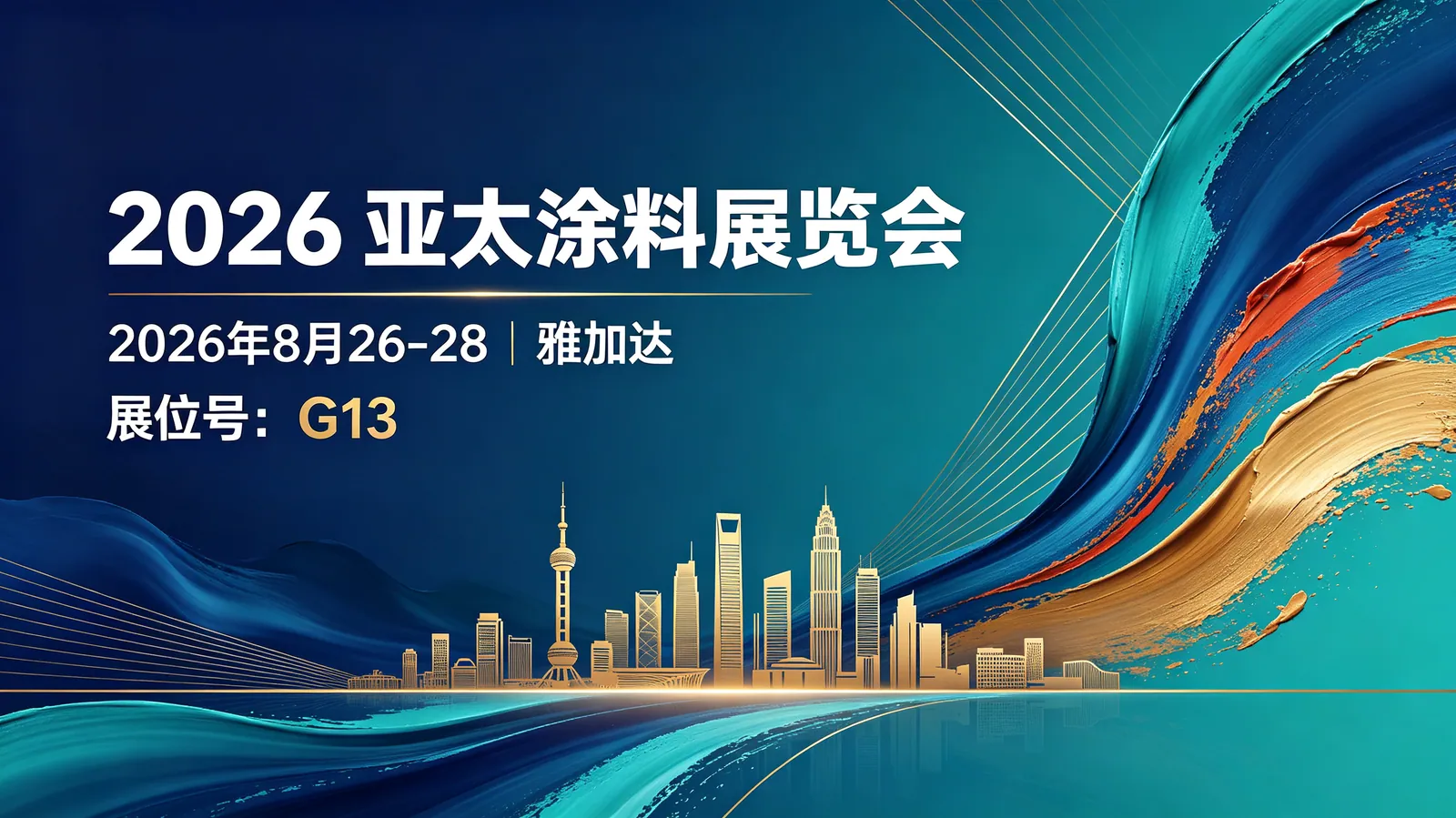
We warmly invite friends in Indonesia or with business plans there to visit our booth. Whether for partnerships, project delivery or market advice, we look forward to meeting old and new friends in Jakarta and achieving results together!