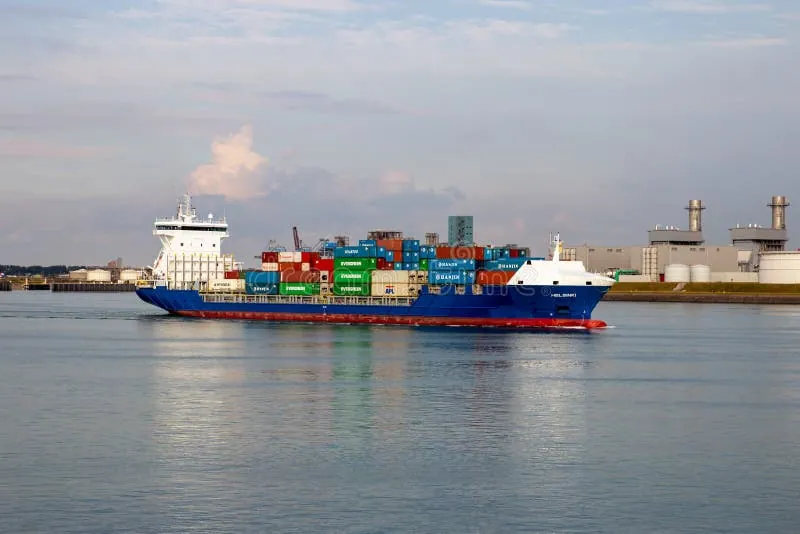
Morocco holds more than 70% of the world's phosphate reserves, lies right next to Europe and has many free trade agreements, making it a core raw material base for phosphate-based cathode materials exported to Europe. If Indonesia is a battery materials base built on nickel, Morocco is a phosphate-based materials hub built on phosphate rock.
In the past two years China-Morocco trade has passed USD 10 billion: total bilateral trade reached USD 10.96 billion in 2025, with Chinese exports to Morocco of nearly USD 9.9 billion. More importantly, this trade is no longer dominated by low-end consumer goods; production line equipment, battery raw materials and electrical automation systems now lead imports, a sign that China's lithium battery supply chain has taken root in North Africa.
1. Geography: guarding Gibraltar, Europe's preferred near-shore location
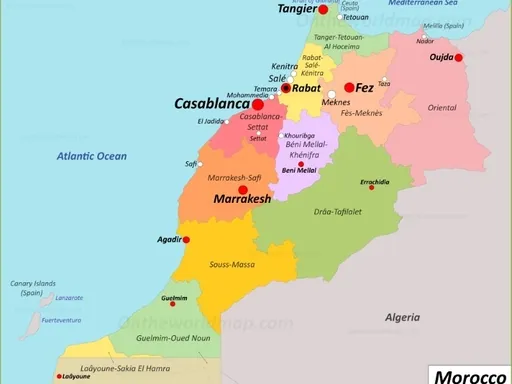
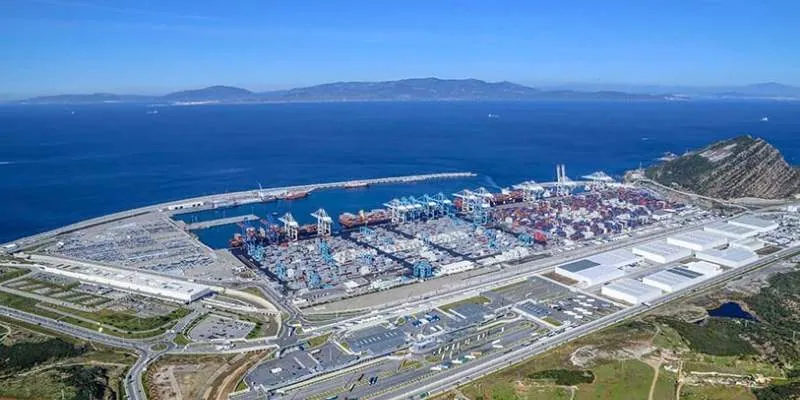
Morocco lies at the north-western tip of Africa on the Strait of Gibraltar, only about 14 kilometres from Spain. Its land area is about 459,000 square kilometres, mostly mountains and desert. Tangier and Jorf Lasfar are the core industrial zones for battery materials. Tanger Med is the largest port in Africa and one of the most efficient cargo ports in the world, handling 11.1 million TEU in 2025, 17th in the world, and connecting to more than 180 ports. Goods from Tangier can reach southern European ports within a day by sea, making Morocco the ideal near-shore extension platform for European industry.
2. Population: ample young labour, but high-end talent must be brought in
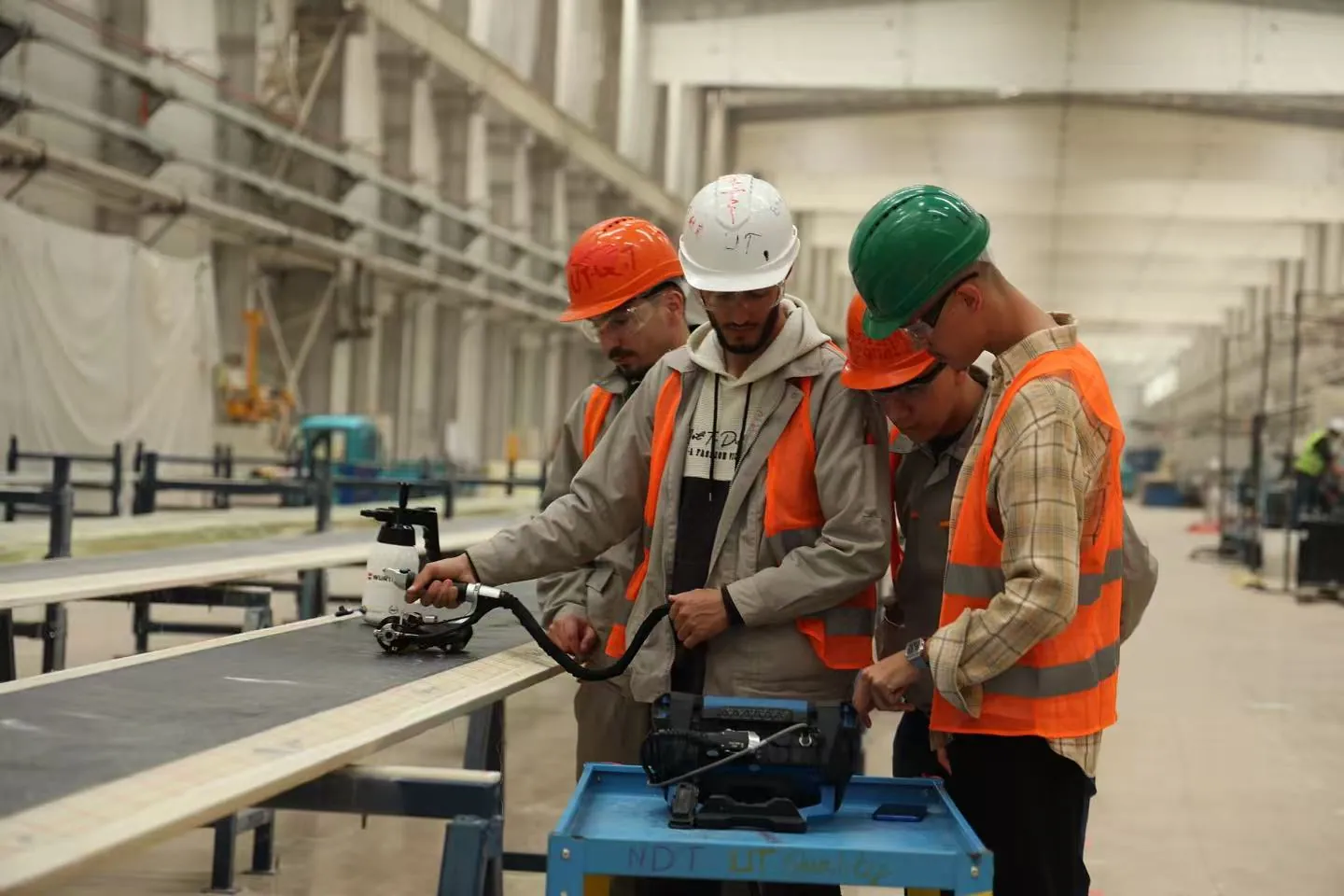
Morocco has a population of about 37.71 million with a young structure and ample labour supply. Its literacy and industrial base lead North Africa, and its mature automotive and chemical industries can supply workers for battery material lines. However, talent in advanced electrochemistry and powder R&D still has to be brought in from outside.
3. Economy: among Africa's leaders with steady growth
In 2025 Morocco's nominal GDP was about USD 166 billion; according to Morocco's High Commission for Planning, 2025 GDP reached MAD 1.72 trillion (roughly USD 186 billion). Backed by rich phosphate resources and proximity to Europe, the country is actively attracting investment in LFP, precursors and cathode and anode materials. Through more than 50 free trade agreements, its products have easy access to the EU, apart from some agricultural products, industrial goods of Moroccan origin enter the EU duty-free. Morocco also has a free trade agreement with the United States, giving it a double free trade advantage.
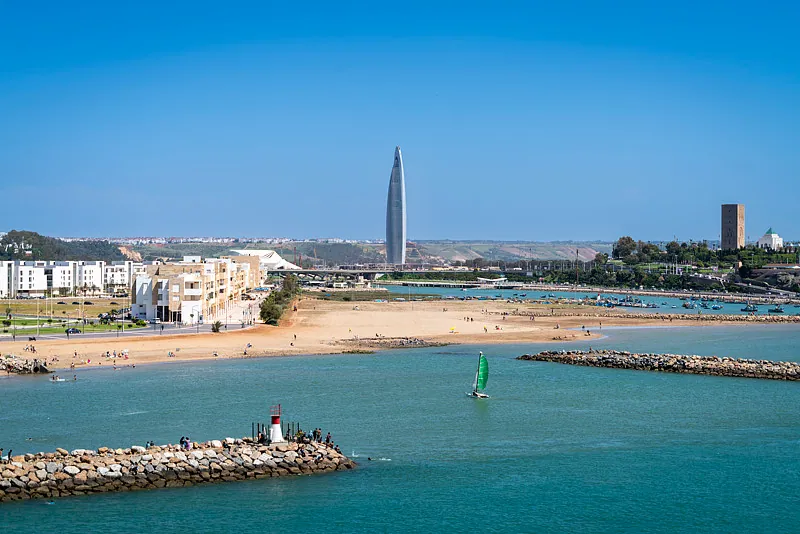
4. Industry: phosphate at the core and an LFP cathode raw material base taking shape
Morocco's core logic is clear: phosphate is king, and the country is building an LFP cathode raw material base for export to Europe.
Core advantage 1: dominance of global phosphate reserves. According to the USGS, Morocco's phosphate rock reserves were about 50 billion tonnes in 2025, 68% of the world total, with some estimates as high as 73-75%. OCP Group is the global phosphate leader, with ore grades as high as 33%, far above China's 16.85%. Whoever controls phosphate holds a key to influence in LFP batteries.
Core advantage 2: a near-European export channel plus free trade agreements. Its many trade agreements make Morocco an ideal springboard for navigating European tariff barriers.
Core advantage 3: leading companies are clustering there. Gotion High-Tech, COBCO (a China-Morocco joint venture), BTR, CNGR, Tinci Materials and Hailiang have all launched precursor, LFP cathode and anode projects, and demand for powder processing and wet grinding equipment is booming.
The weaknesses are just as clear: no lithium, nickel or cobalt resources; weak high-end electrochemical R&D, with precision equipment, additives and chemicals imported; and local chemical supply still under construction, so production line supply chains need import plans arranged in advance.
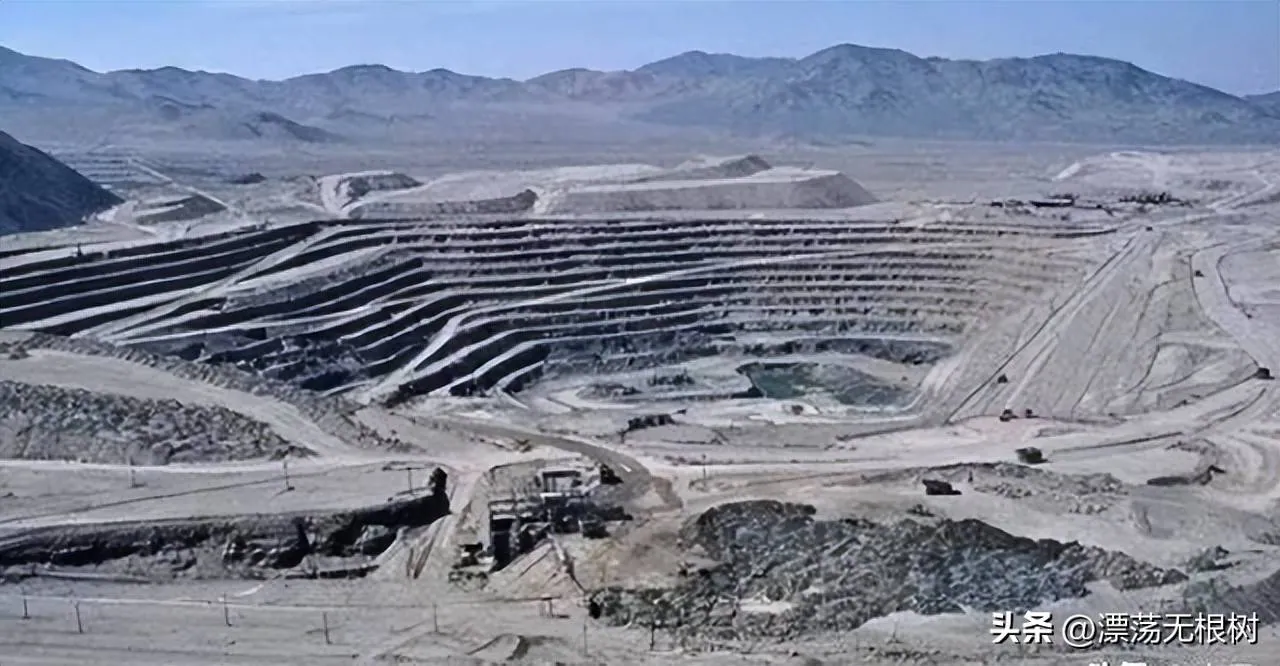
5. Way of life and business culture: European standards and a long-term approach
Morocco combines Arab and North African culture with long experience of European investment, so its business system leans toward European standards. It values long-term cooperation, local partners and backing from the government investment agency. The pace is moderate, and environmental approvals, industrial land and mining cooperation take relatively long. Contract awareness is steadily maturing, and contracts for large foreign projects are well standardized.
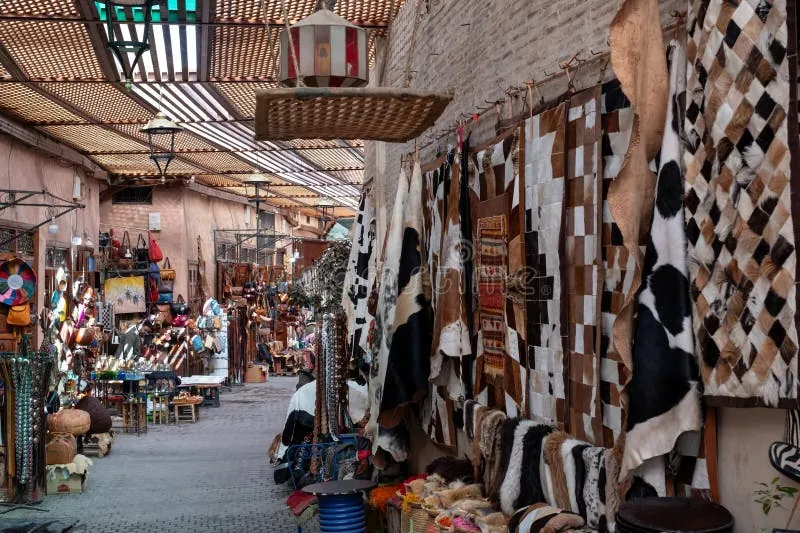
6. Business characteristics (key for exporters, compared with Korea, Indonesia and the US)
1. Resources plus near-Europe tariff advantages are the core bargaining chips. Customers care most about stable phosphate supply and a tariff-free channel for finished products into Europe.
2. Engage OCP, the investment agency and free zones first. The ability to secure phosphate supply directly determines whether a project succeeds.
3. Validation must also meet European standards. Since products are ultimately exported to Europe, REACH, the EU Battery Regulation and traceability requirements must be considered from the outset. It should be clear that the Moroccan route is not a relabelling shortcut to avoid tariffs, the EU and US are scrutinizing the origin, processing steps and local value added of third-country exports ever more strictly, and only genuine localized capacity can take root in the long term.
4. Joint ventures and local partnerships are preferred. Wholly foreign-owned companies find it harder to secure minerals and set up material plants.
5. Powder equipment opportunities are concentrated in LFP cathode and precursor lines, where customers focus on particle size control and continuous, stable mass production.
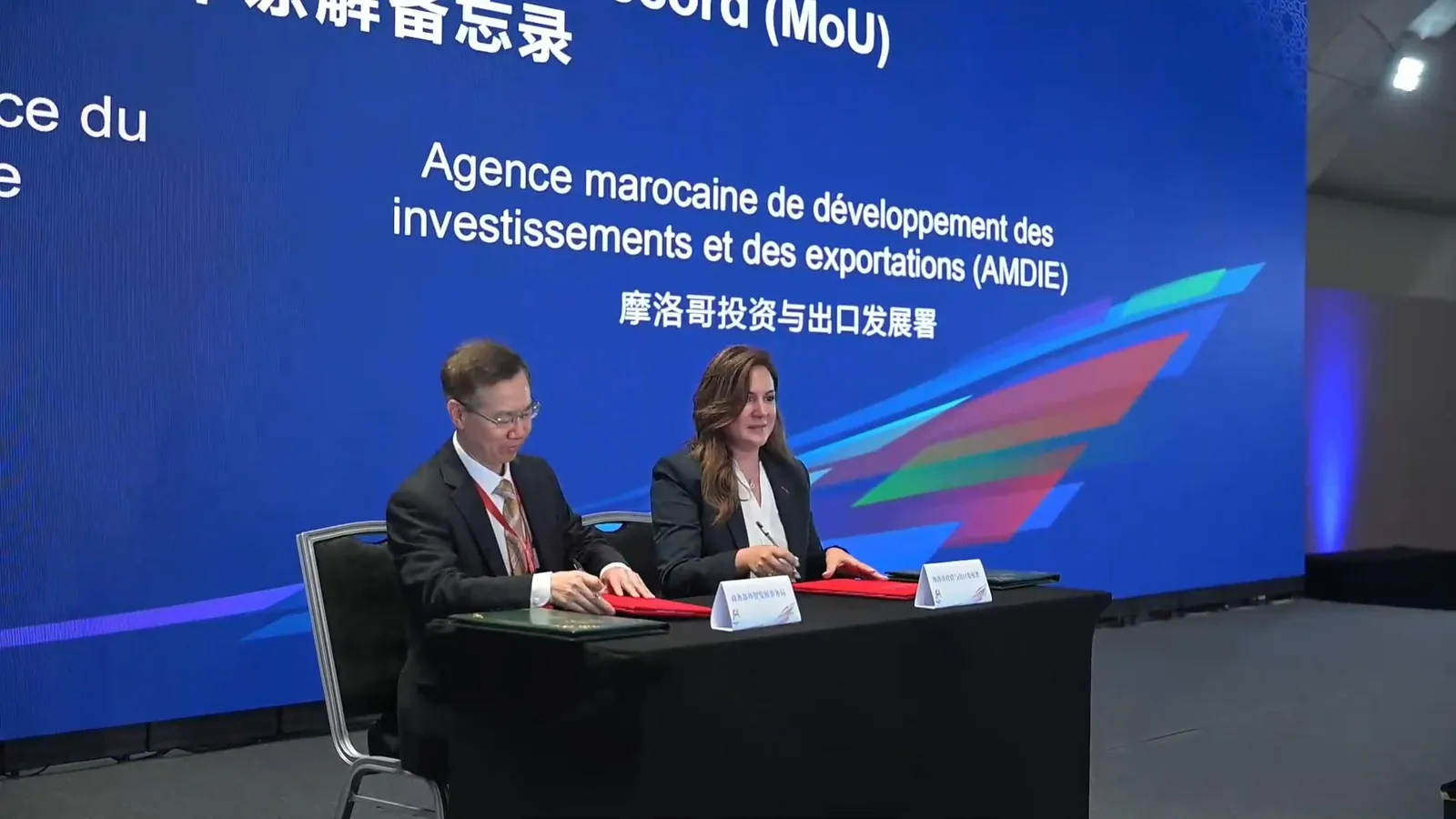
7. Morocco's new energy leaders and key supply chain companies
Main Chinese battery material companies (partial list):
· Gotion High-Tech: building Africa's first EV battery gigafactory in Kenitra, with 20 GWh planned for phase one and up to 100 GWh in the long term, total investment of up to USD 6.5 billion, and production expected to start in Q3 2026
· COBCO (China-Morocco joint venture): has started production of key lithium-ion battery components in Jorf Lasfar, with total investment of about USD 2 billion and annual capacity to support about 1 million EVs (70 GWh)
· BTR: investing in a 50,000-tonne-a-year cathode material project in Tangier Tech City, planned to start production in 2026
· CNGR: working with Al Mada on a 120,000-tonne-a-year NCM precursor project and supporting facilities
· Tinci Materials: investing about USD 280 million in an integrated 150,000-tonne-a-year electrolyte production base
· Hailiang, Zhongke Electric and Shangtai Technology have also announced projects in Morocco
Core local resources:
· OCP Group: the global phosphate leader, accelerating its green transition, with 202 MW of solar plants in operation and a target of 100% green power by 2027
International automakers and battery companies:
· Renault and Stellantis: combined annual capacity of about 700,000 vehicles, supporting a fairly complete parts supply system
· LG Chem: investing with Yahua Group in a lithium refinery in Morocco, with a first phase of USD 550 million
The Jorf Lasfar and Tangier zones concentrate planned precursor, LFP cathode and anode capacity and form Africa's most concentrated battery materials cluster.
8. Market summary
Morocco is a North African materials base with dominant phosphate resources, a clear export channel to Europe and fast-growing LFP cathode and precursor capacity.
Morocco's logic is not its domestic EV market (annual new car sales are only about 160,000-200,000) but becoming an LFP materials hub supplying Europe on the strength of phosphate and free trade agreements. Demand for wet grinding, powder dispersion and precursor synthesis equipment is highly certain. For anyone seeking to enter the European LFP supply chain, Morocco is a location of great strategic value.