The newly released 15th Five-Year plan for a new energy system has caused a stir across the new energy sector, with talk of RMB 25 trillion of investment everywhere. Here we set out the facts of the policy, the changes in the industry, the global landscape and the core opportunities of the next five years.
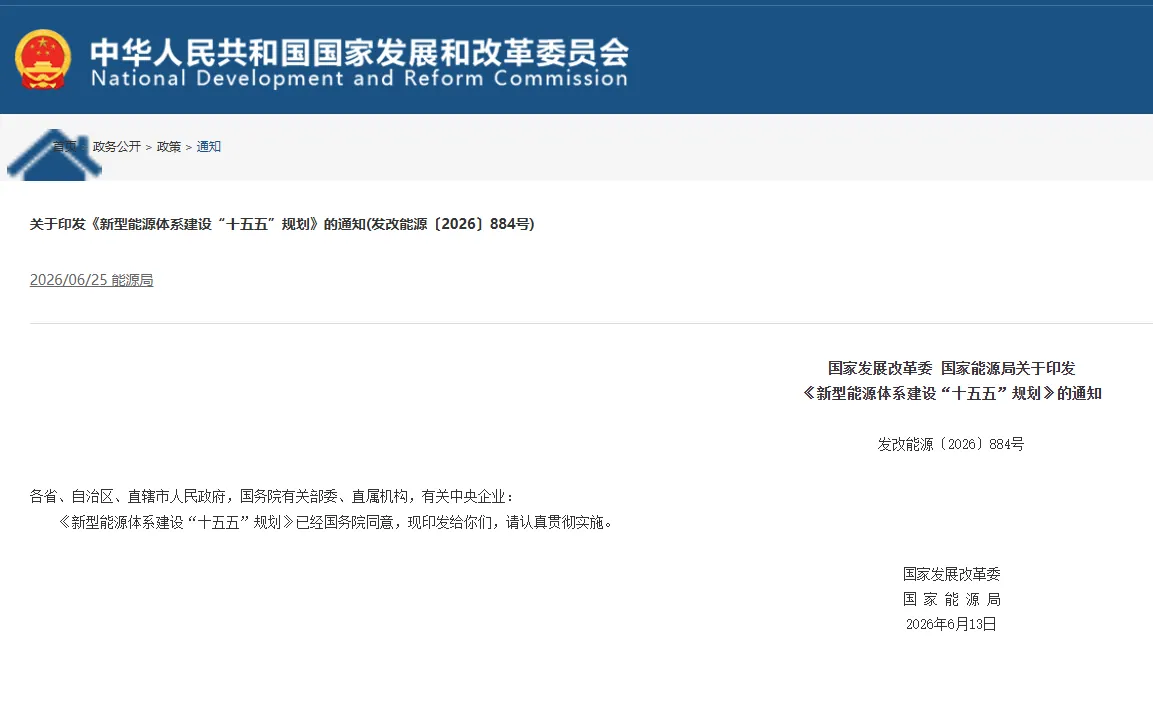
First, correcting a common misunderstanding: this is the 15th Five-Year plan, not the 14th.
1. A different time window.
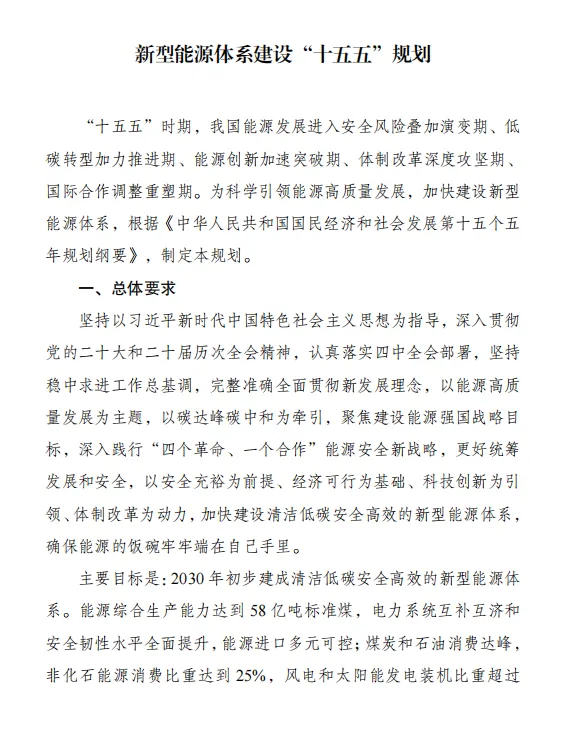
The RMB 25 trillion is not a plan for the past five years but for the 15th Five-Year period of 2026-2030. The official document, the 15th Five-Year Construction Plan for a New Energy System, was released on 25 June, meaning the real boom period is the next five years.
2. What the RMB 25 trillion includes.
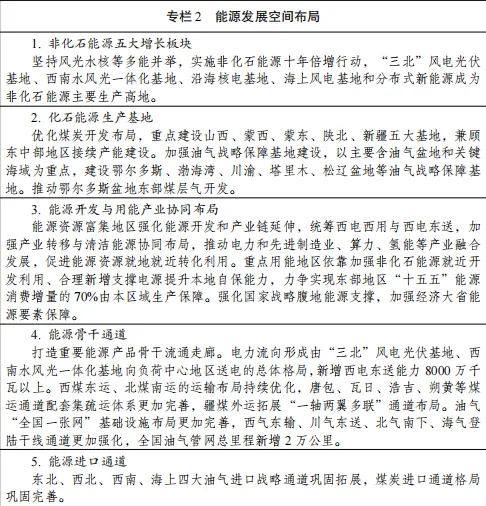
It is total investment across the whole new energy supply chain, covering wind, solar, ultra-high-voltage grids, pumped hydro, electrochemical storage, battery materials, battery manufacturing and green hydrogen.
Key numbers to remember:
· Grid upgrades: more than RMB 5 trillion
· Energy storage as a standalone segment: more than RMB 2.5 trillion over five years
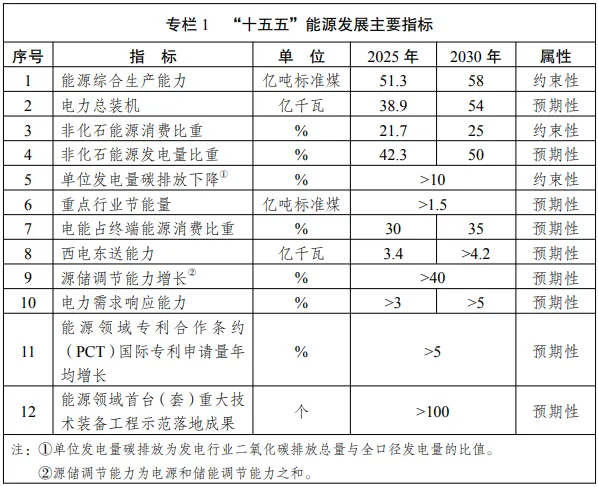
· New-type energy storage target: 300 GW installed
Notably, investment in energy storage is now growing faster than solar and wind, making it the fastest-growing segment in new energy.
3. Clearing up the misconception.
Over the 14th Five-Year period, total storage investment was only about RMB 2 trillion, with limited growth and intense competition. The real boom and the real dividends are concentrated in 2026-2030.
Second, the domestic industry has changed completely: storage has moved from supporting role to national necessity.
1. Mandatory storage everywhere.
All large wind and solar bases and new energy plants must now include storage, and generation-side, grid-side and commercial and industrial markets are fully open. Storage is no longer an auxiliary service but a core part of the power system.
2. More technology routes.
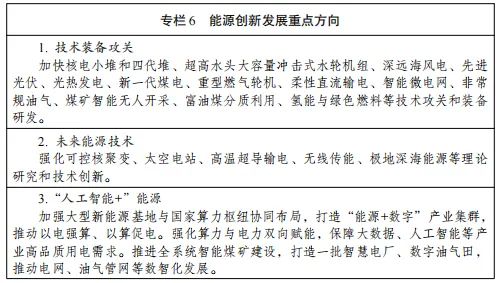
Beyond conventional LFP, sodium-ion, NFPP and other technologies are taking off together. Cathode material and powder processing lines are being built on a large scale, and orders for complete grinding, drying, sintering and milling equipment are growing strongly and continuously.
3. Intense domestic competition is pushing capacity overseas.
China's battery and materials capacity is saturated and price competition is fierce. Over the next five years moving capacity abroad is the only way forward, and South Asia, Southeast Asia and new overseas industrial parks are the first choice for Chinese new energy companies, lowering costs, avoiding tariffs and securing supply.
Third, the global new energy landscape is being reshaped.
1. A global reshuffle of the supply chain.
· China: firmly controls upstream core technology, powder materials, equipment manufacturing and cell production, with the greatest say across the chain;
· Europe and the US: keep high-end R&D, system integration and brand operations and exit energy-intensive, polluting material refining and powder processing;
· Emerging countries (such as Bangladesh, Pakistan, Vietnam and Brazil): take on midstream manufacturing capacity.
The future global model will be core materials from China, local plants overseas and finished products exported to Europe and the US, a new supply-chain pattern is taking shape.
2. Intensifying competition for resources raises single-country risk.
Countries rich in lithium, nickel, cobalt and phosphate are tightening exports, Indonesia restricting nickel, Zimbabwe restricting lithium. Companies no longer dare to bet on a single country, and multi-country global deployment has become standard for leading companies. This is why so much capital has left Indonesia this year for Bangladesh, Brazil and Madagascar.
3. Storage demand is going global.
Europe and the US focus on residential and solar-plus-storage, while South Asia and the Middle East face chronic shortages and widespread outages, making backup storage for businesses essential. In Bangladesh, nationwide power shortages are driving explosive growth in the storage market.
The next five years will affect our industry at three levels:
· Materials: LFP and sodium-ion cathode capacity will keep expanding, with domestic expansion and overseas plants in parallel and continuous new powder processing lines;
· Equipment: bead mills, sintering furnaces, dryers, mills and complete new energy equipment will see steady domestic orders and fast-rising overseas orders, a five-year super cycle for equipment makers;
· Going global: no longer optional but essential. With domestic overcapacity, transparent margins and fierce competition, and high tariffs and protectionism in Europe and the US, building plants overseas is the only way to survive, grow and capture the dividend.
The RMB 25 trillion national strategy will drive comprehensive expansion of upstream materials, equipment and capacity, and overseas industrial parks will be the main battleground of the next new energy cycle.
In summary:
Within the RMB 25 trillion new energy market of the 15th Five-Year period, energy storage is the fastest-growing and most certain segment.
Domestic over-competition is a given and capacity going overseas is unstoppable. Compared with some Southeast Asian countries with shifting policies and higher risk, Bangladesh, with stable policy, friendly relations with China, a huge demographic dividend, low labour costs and zero export tariffs, is the best overseas destination for battery materials, energy storage and new energy equipment companies over the next five years.
In summary:
Within the RMB 25 trillion new energy market of the 15th Five-Year period, energy storage is the fastest-growing and most certain segment.
Domestic over-competition is a given and capacity going overseas is unstoppable. Compared with some Southeast Asian countries with shifting policies and higher risk, Bangladesh, with stable policy, friendly relations with China, a huge demographic dividend, low labour costs and zero export tariffs, is the best overseas destination for battery materials, energy storage and new energy equipment companies over the next five years.
After years of work, INFOR is already positioned for this trend. In both LFP and sodium-ion, we have experience building complete lines for leading companies in China and abroad.
Our service network covers China, Korea, Indonesia, the US, Europe, Vietnam, the Middle East, Bangladesh and other major new energy markets, with established projects and dedicated after-sales teams in each.
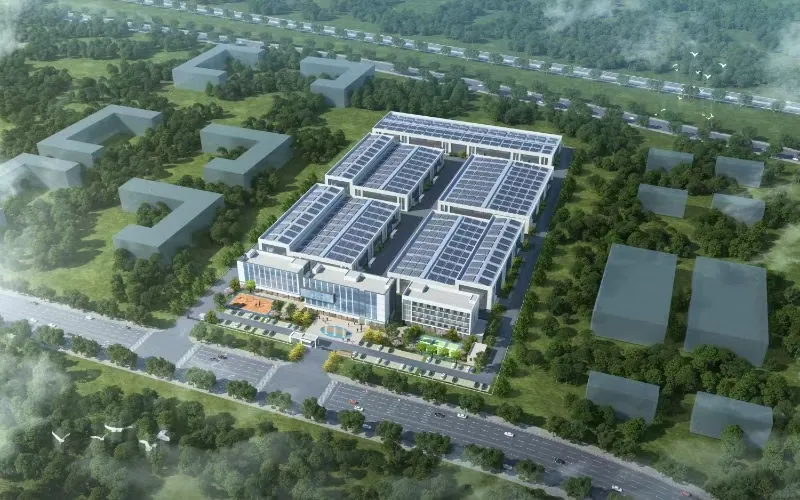
Our new industrial park has upgraded our image and scale, and our delivery and production capability fully matches this wave of global orders. We have added several large precision machine tools and CNC machining centres, upgrading our hardware for more stable quality, higher precision, faster delivery and greater capacity.