The Middle East is becoming a new destination for Chinese battery materials and grinding equipment. Saudi Arabia's Vision 2030, the UAE's energy strategy and Oman's national LFP and energy storage projects are coming on stream, and nano bead mills will have a clear growth window in the region over the next three to five years. But behind the opportunity lie real barriers in certification, after-sales service, policy and labour. Rushing in invites mistakes; planning first leads to steady success.
1. Why the Middle East is a quality second growth curve for bead mills
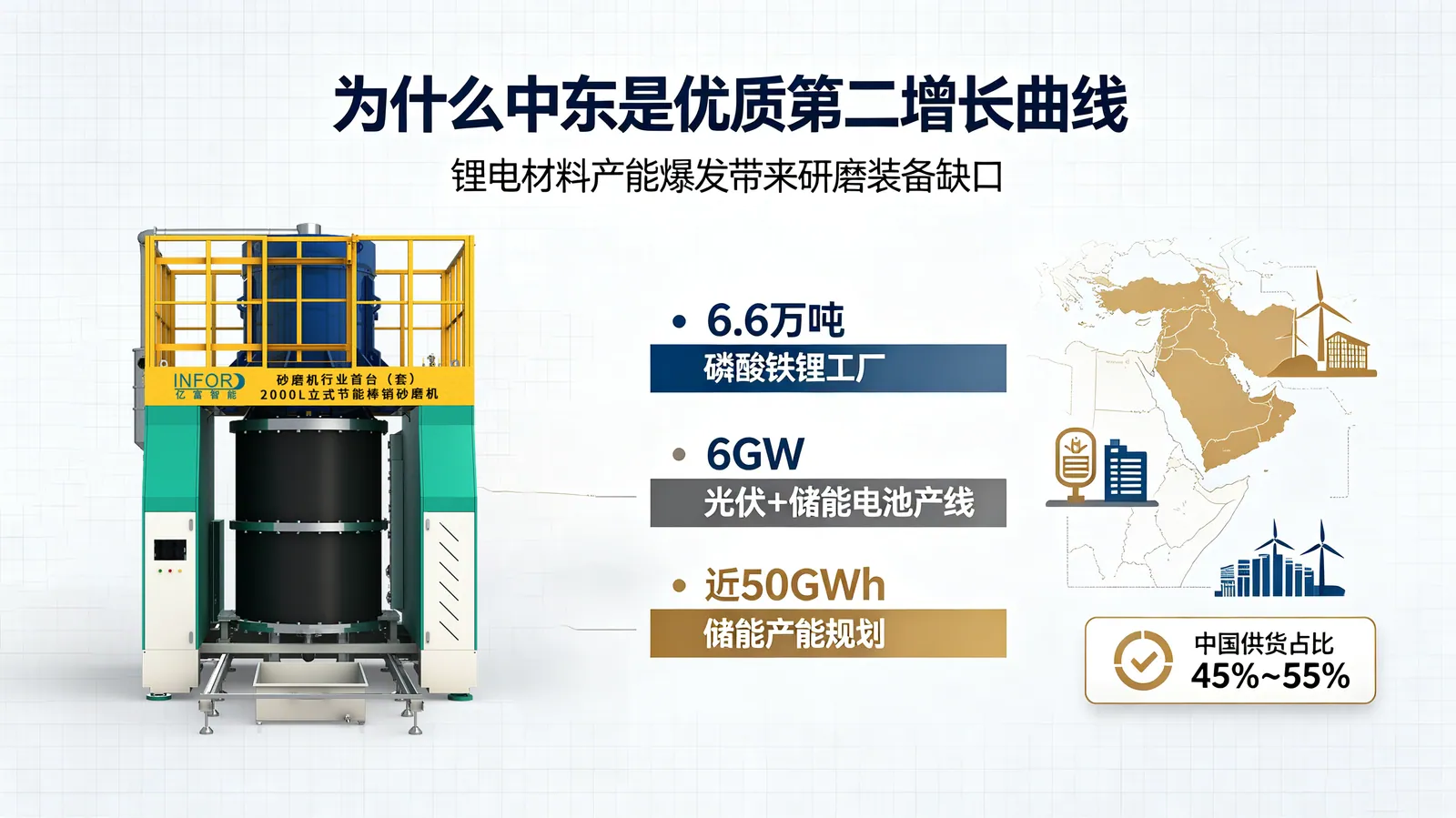
1. Concentrated new energy capacity and a large gap in grinding equipment
Oman has confirmed a 66,000-tonne LFP plant and a 6 GW solar and storage battery line, while Saudi Arabia and the UAE together plan nearly 50 GWh of storage capacity. Cathode, anode and conductive paste lines are starting construction, and the nano bead mill is core equipment for battery material production.
The Middle East has almost no local grinding equipment manufacturing and relies on imports for 80-90% of supply. Chinese bead mills already account for 45-55% of new installations, ahead of Japan, Korea and Europe, making China the largest supplier. The industry forecasts annual growth of 9-14% in the Middle East battery bead mill market from 2026 to 2035, with energy storage and LFP the biggest drivers.
2. The advantages of building plants in the Middle East favour cost-effective Chinese brands
The Middle East has some of the world's lowest industrial power prices and relaxed mineral processing policies, and many Chinese materials companies are moving capacity from Indonesia and Africa to Saudi Arabia, Oman and Dubai's free zones. Their core needs are consistent: stable, highly automated equipment that tolerates heat and dust, with fast after-sales response.
European bead mills cost 30-50% more and have long service cycles, while Japanese and Korean equipment offers little flexibility for customization. Chinese bead mills can be built in large volumes, customized for LFP and silicon-carbon processes and adapted to high-temperature conditions, clear cost and service advantages that make them the first choice for materials companies going abroad.
3. Diverse applications beyond batteries, with steady repeat business
Besides power batteries and storage, the region has three other lasting sources of demand:
· Coatings and industrial inks: anti-corrosion coatings for infrastructure and oil pipelines need dispersion and grinding equipment year-round;
· Mineral processing: grinding and purification of phosphates and mineral powders;
· Semiconductor polishing slurries and nanomaterials: fine chemicals in Dubai and UAE high-tech parks.
Selling equipment is only the start: zirconia beads, seals and process upgrades bring long-term repeat revenue.
4. A geopolitical safe-haven dividend: the Middle East embraces Chinese equipment
Resource countries such as Indonesia and DR Congo are restricting minerals and pushing local manufacturing, leading materials companies to set up second production bases in the Middle East. Gulf states are also deliberately reducing reliance on Western supply chains and no longer follow German and Japanese equipment by default, opening up significant share for Chinese bead mills. With shipping disruptions in the Red Sea and the Strait of Hormuz, the region is also more willing to sign long-term framework agreements with nearby Chinese suppliers.
2. Before rushing in, understand four critical risks
Risk 1: certification barriers, without GCC/SASO certification, goods are held at port
Saudi SASO and GCC certification are mandatory. Bead mills are special industrial equipment requiring full safety, electrical and explosion-protection certification, which takes 2-6 months and is costly. Many small suppliers with incomplete certification have suffered heavy demurrage charges when goods were held at port.
Risk 2: policy and labour costs can exceed expectations
Gulf states are broadly stable but are gradually introducing localization requirements, possibly mandatory local sourcing of parts and local service teams, and individual countries may adjust tariffs or foreign ownership limits at short notice.
Skilled operators and maintenance engineers are scarce in the region, with labour costs 1.5-2 times those in China. Customers prefer fully automatic, remotely maintainable machines, so low-spec equipment struggles to command a premium and after-sales pressure is high.
Risk 3: long service distances, trading without local service damages reputation
Saudi Arabia, Oman and the UAE are far apart. Suppliers that only trade, without spare-parts stock or service engineers, can take one to two weeks to repair equipment, and customers will quickly switch to European, Japanese or Korean brands with local service.
What successful suppliers do: set up a service centre and spare-parts warehouse in Dubai covering the whole Gulf market, which requires up-front investment in money and people.
Risk 4: the market warms slowly, no short-term order boom
Middle East new energy projects are plentiful on paper but slow to materialize, and many large plans will only come on stream in 2027-2028. Current orders are mainly pilot and small-scale lines, unlike the rapid booms in China or Southeast Asia, so patience and a long-term approach are needed.
3. Practical advice: how to win the Middle East steadily
1. Start asset-light and lead with service
· Base: a small spare-parts warehouse in Dubai's Jebel Ali Free Zone or Oman's Duqm Free Zone, with one or two process and service engineers on site;
· Target customers: Chinese LFP and anode material plants abroad and local new energy EPC contractors;
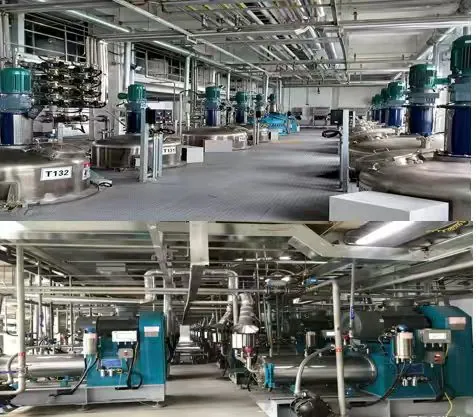
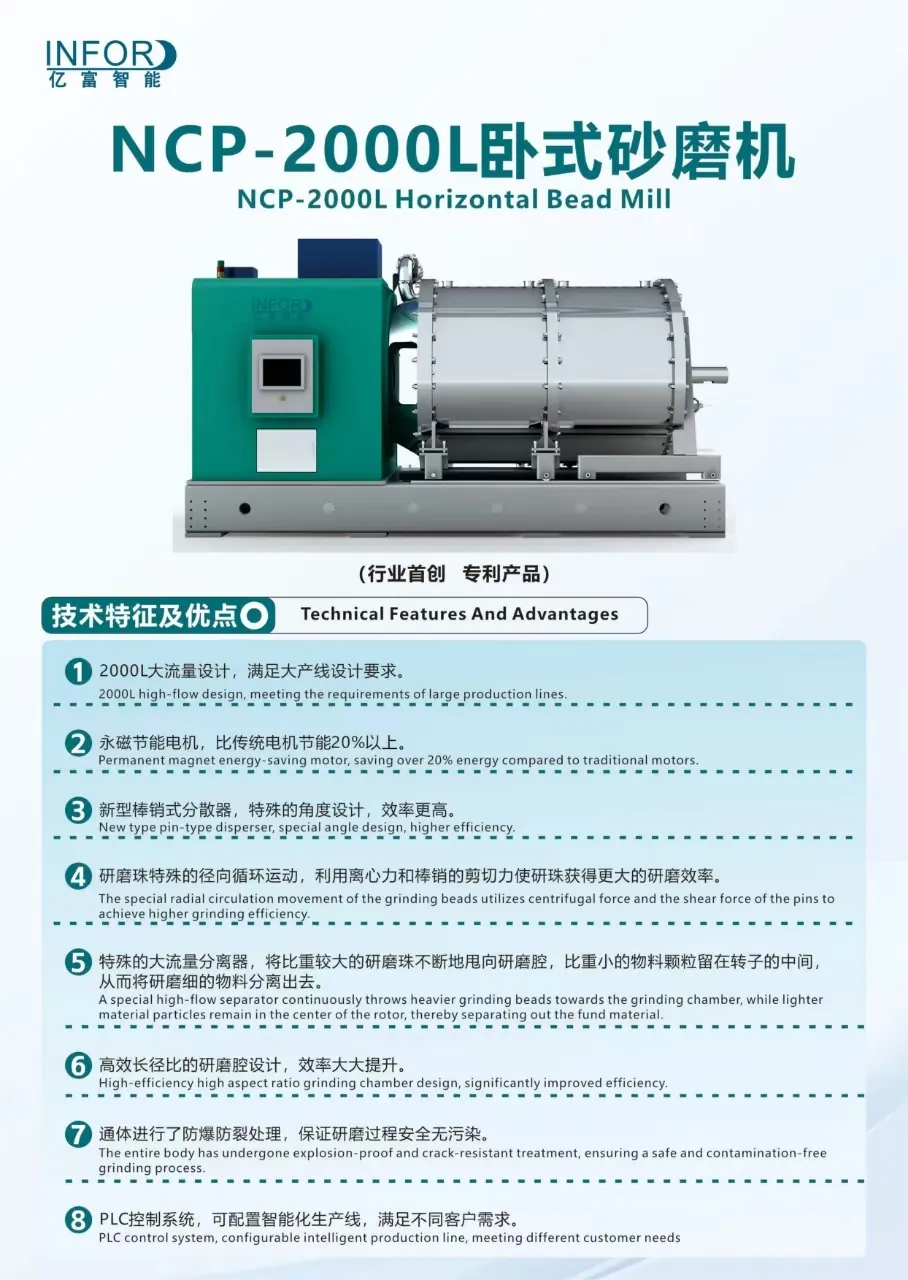
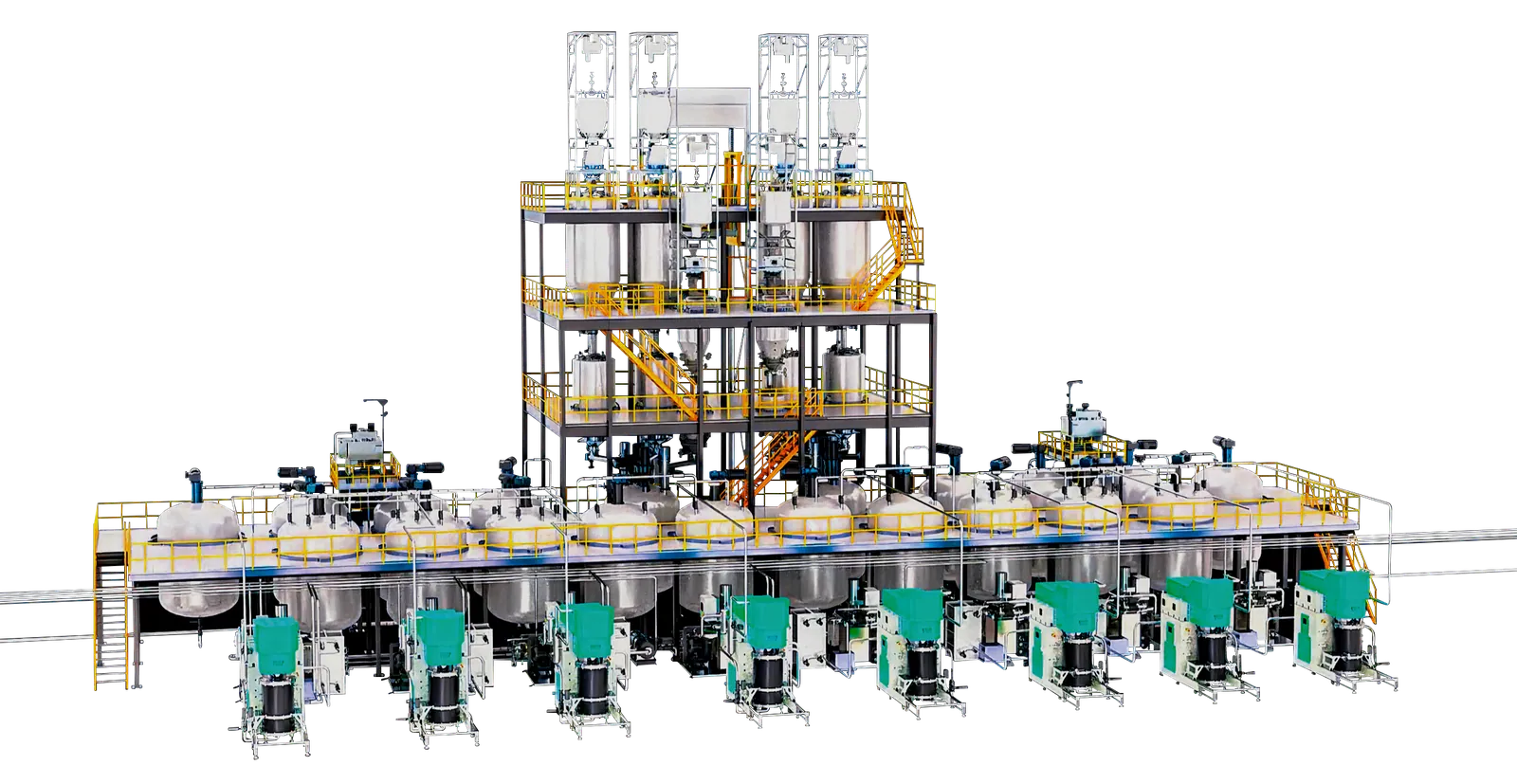
· Lead products: large-volume vertical bead mills for LFP production, high-cooling models for heat and intelligent remote-maintenance models.
2. Localize products in depth
· Improve dust protection and cooling for hot, dusty environments;
· Provide full English interfaces and remote fault diagnosis to reduce reliance on on-site labour.
3. Segment customers and develop them in tiers
· Tier 1: large materials projects backed by Omani and Saudi sovereign funds (highest certainty, large orders);
· Tier 2: small and medium Chinese materials companies moving from Indonesia (familiar with Chinese equipment, quick decisions);
· Tier 3: local fine chemicals and coatings makers for long-tail orders of smaller equipment.
4. Risk control red lines
· Certification first: complete GCC/SASO certification before shipment and never use grey customs channels;
· Strict payment terms: letters of credit for new customers and tight control of credit sales;
· Use local partners: work with local agents or industrial park authorities on qualifications, customs and labour regulations.
The Middle East bead mill market offers slow, steady money rather than quick money. New energy capacity is just entering the delivery cycle and the equipment gap is open, and Chinese bead mills can outcompete Western rivals on value and process customization. But the barriers of certification, after-sales service and policy compliance cannot be bypassed or rushed.
Start with equipment sales plus spare parts and service, working closely with Chinese battery material customers abroad, and consider deeper localization once the supply chain matures in two to three years. Compared with higher-risk Indonesia and Africa, the Middle East is an excellent second growth curve, one that favours patient, well-prepared long-term players.